Design & simulation solutions for Integrated Quantum Photonics.
As the field of quantum photonics continues to advance, the need for sophisticated design tools has never been greater. Leveraging Ansys for the design of Integrated Quantum Photonics (IQP) components offers unparalleled advantages, empowering researchers and engineers to push the boundaries of what’s possible in quantum technology.
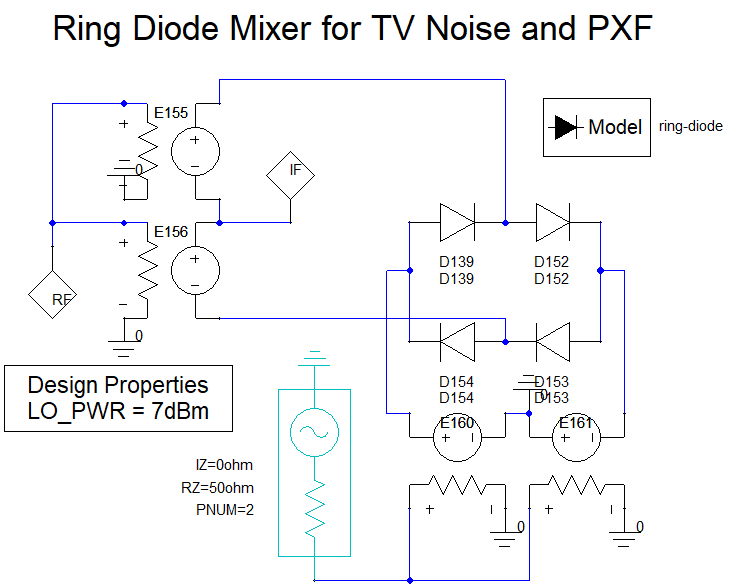
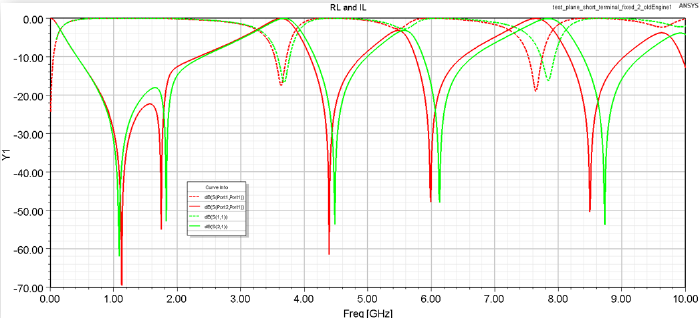
RF & Microwave Simulation
By leveraging Ansys’ advanced electromagnetic simulation capabilities, engineers can accurately model the behavior of antennas, filters, circuit boards, and other RF components under various operating conditions. Ansys users can perform detailed simulations that account for critical factors, such as impedance matching, signal integrity, and electromagnetic interference. This results in enhanced performance, reduced prototyping costs, and accelerated time-to-market for RF applications in telecommunications, aerospace, and consumer electronics. Through its comprehensive simulation environment, Ansys enables engineers to make informed decisions and streamline the development process for innovative RF solutions.
Circuit
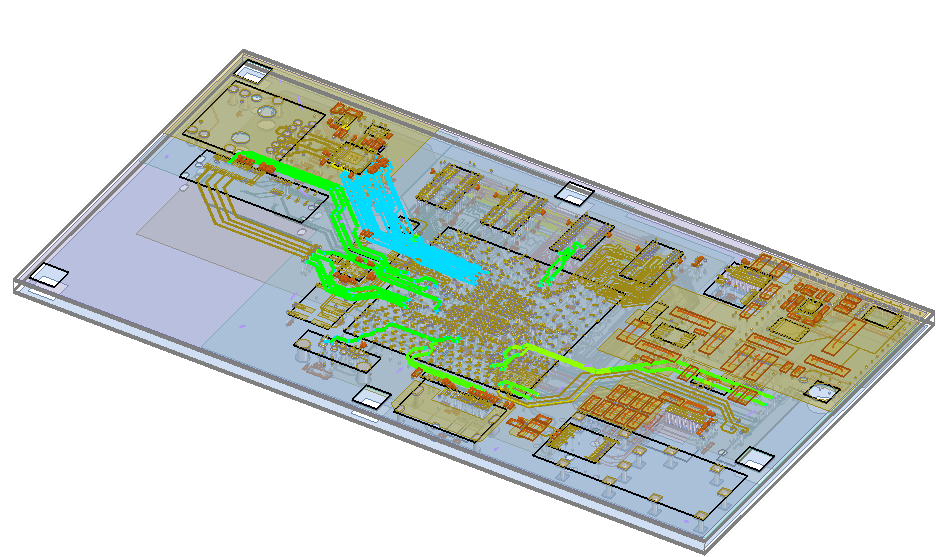
EM on Layout (HFSS)
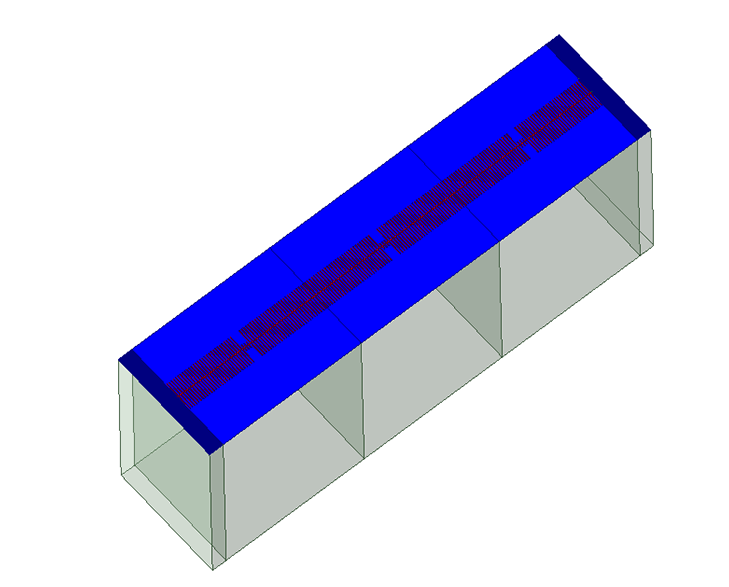
EM on 3D
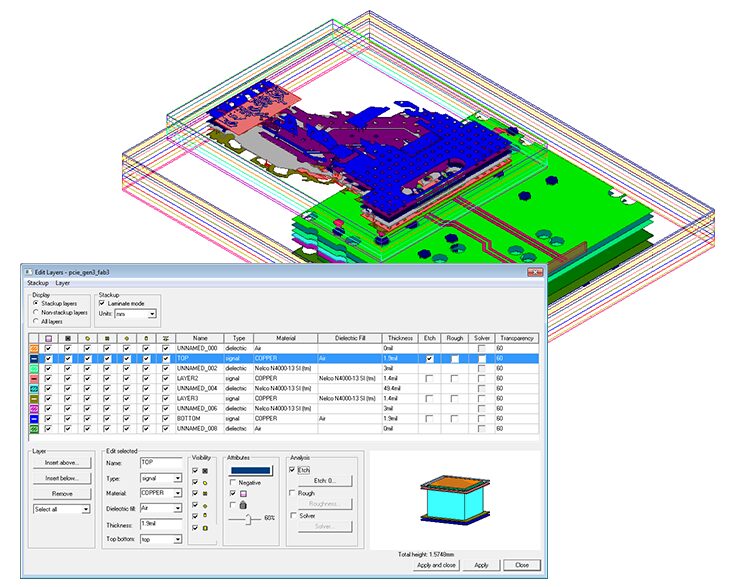
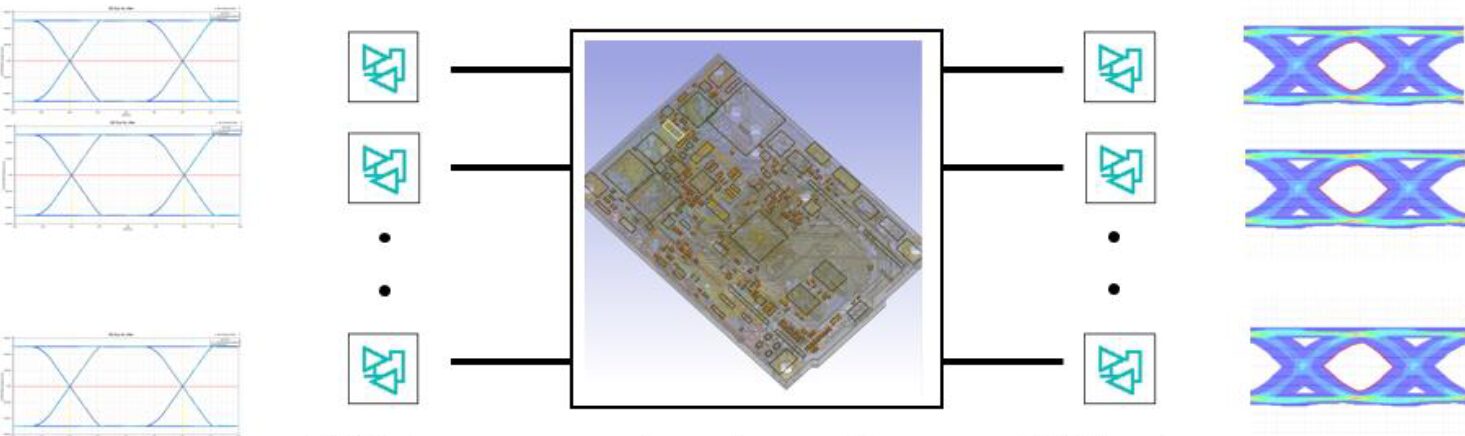
PCB Pre-Compliance (SI/PI/EMC)
Ansys is widely used for PCB pre-compliance simulation in the areas of signal integrity (SI), power integrity (PI), and electromagnetic compatibility (EMC) to ensure that printed circuit boards meet performance and regulatory standards before manufacturing. By utilising tools like Ansys SIwave, engineers can conduct detailed analyses of signal transmission paths, power distribution networks, and potential sources of electromagnetic interference. These simulations help identify issues such as crosstalk, voltage fluctuations, and radiated emissions early in the design process, allowing for timely design modifications. This proactive approach enhances the reliability and performance of the PCB, minimises the risk of costly redesigns, and facilitates compliance with industry standards, ultimately streamlining the development cycle and improving product quality.
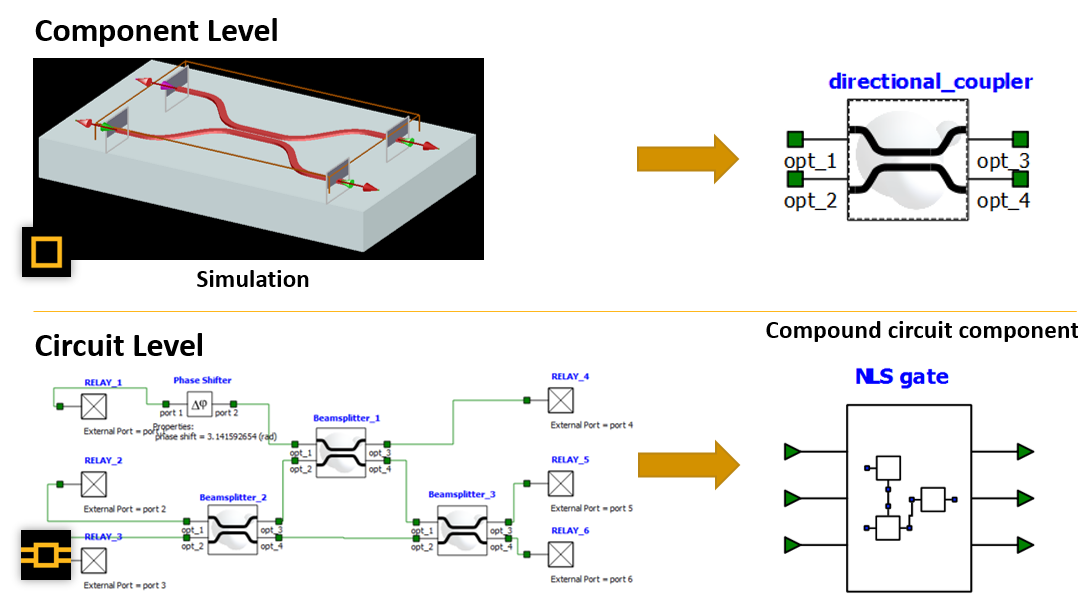
Quantum Photonics
Ansys plays a crucial role in the simulation of quantum photonics by providing advanced modeling tools that help researchers and engineers design and analyse complex photonic structures at the quantum level.
Utilising software such as Ansys Lumerical, users can simulate the behavior of quantum light sources, waveguides, and photonic circuits, enabling the exploration of phenomena such as quantum entanglement, superposition, and interference.
The precise electromagnetic field modeling capabilities allow for detailed investigations into how light interacts with matter at the nanoscale, guiding the design of quantum devices like single-photon emitters, quantum dots, and integrated photonic circuits. By facilitating an accurate and efficient simulation workflow, Ansys helps accelerate the development of innovative quantum technologies, positioning researchers to achieve breakthroughs in quantum computing, secure communication, and sensing applications.
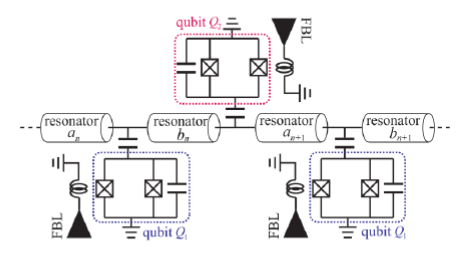
Extraction of Kinetic Inductance
By utilising tools like Ansys HFSS and Ansys Q3D Extractor, engineers can model the electromagnetic behavior of superconducting materials, capturing details such as their unique current-voltage characteristics and the effects of superconducting gaps. By simulating the geometry and interactions within the circuit, Ansys enables accurate calculations of kinetic inductance, which arises due to the inertia of Cooper pairs moving in the superconducting state. This capability assists designers in optimising circuit performance, enhancing parameters such as speed, stability, and energy efficiency, ultimately leading to the development of more effective superconducting qubits and RF circuits.
Coil Design and Magnetic Fields
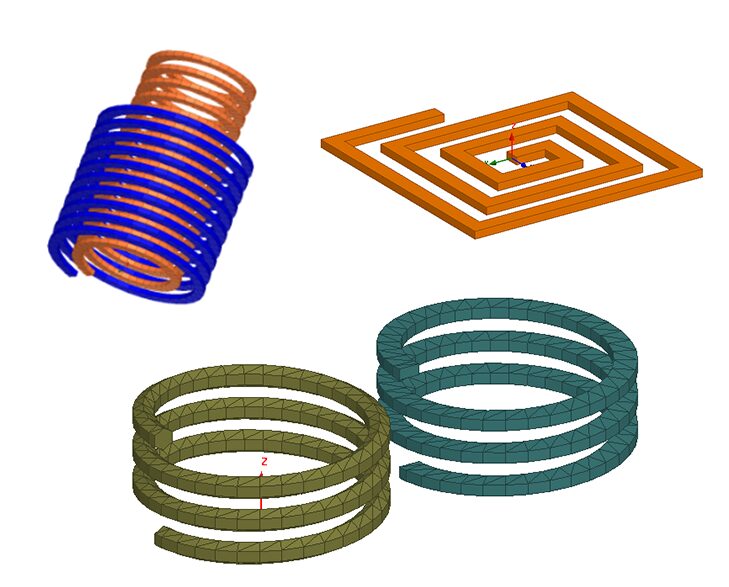
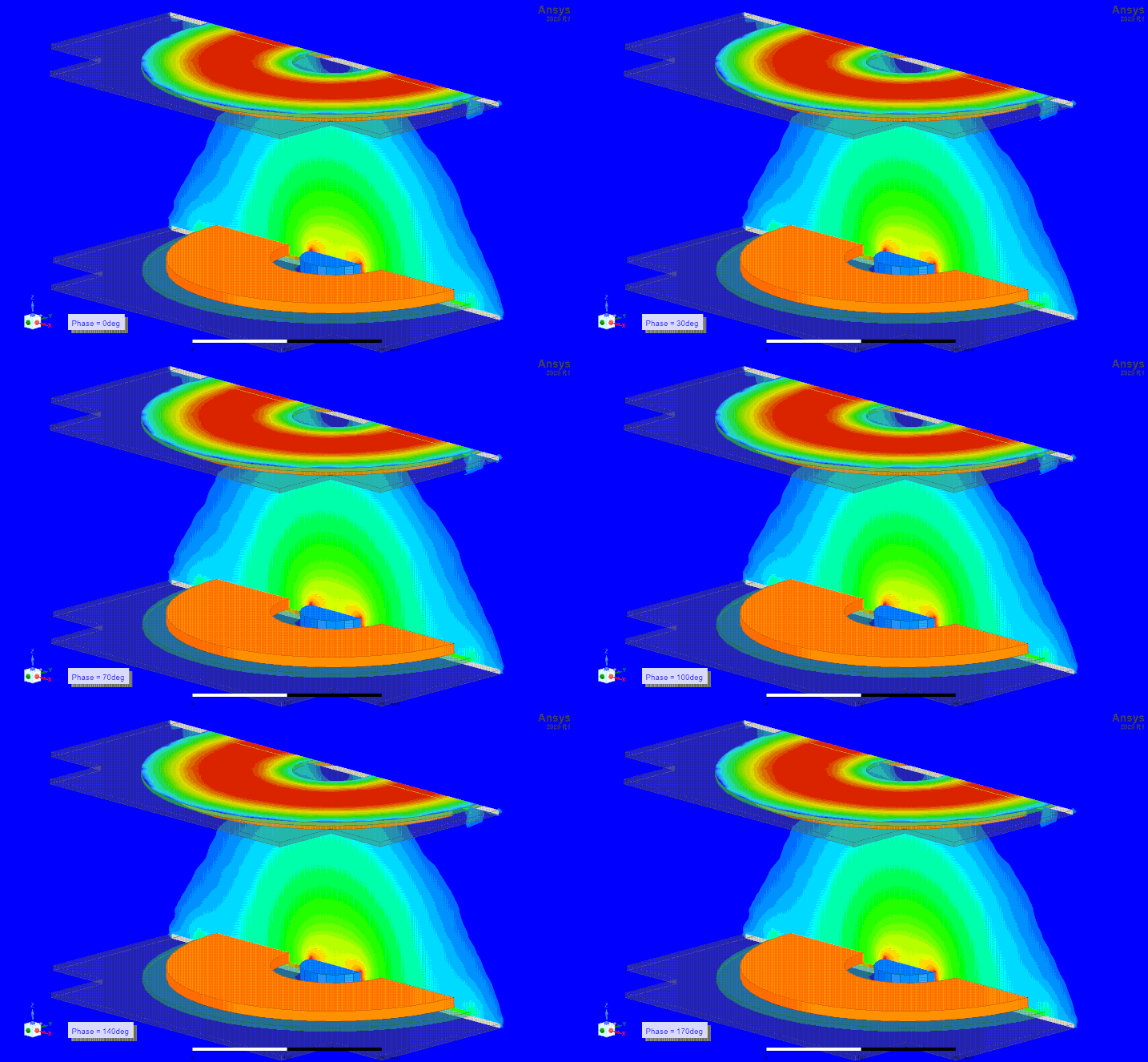
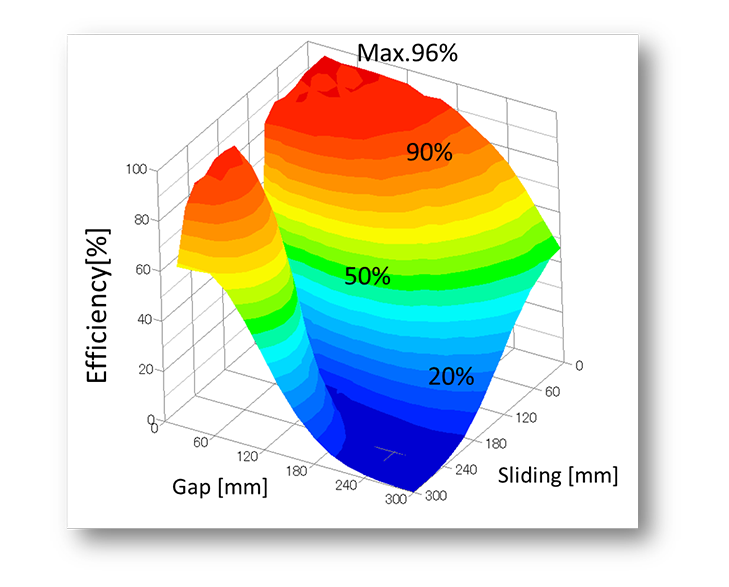
Ansys is a vital tool for simulating coil design and analysing magnetic fields, leveraging its powerful electromagnetic simulation capabilities to optimise the performance of inductive components and systems. By utilising Ansys Maxwell, engineers can accurately model coil geometries, current distributions, and magnetic field interactions in both static and dynamic conditions. This simulation allows for in-depth analysis of key parameters such as inductance, magnetic flux density, and field uniformity. Additionally, Ansys enables designers to evaluate different coil configurations and materials, helping to minimize losses, enhance efficiency, and ensure compliance with design specifications. Whether used in applications such as transformers, inductors, or wireless power transfer systems, Ansys facilitates informed decision-making throughout the design process, ultimately leading to improved device performance and reliability.
Modelling
Analysis
Optimisation
Sub-Kelvin Thermal Conduction
Ansys is employed for simulating sub-kelvin thermal conduction in cryogenic systems, which is crucial for applications such as quantum computing and superconducting circuits.
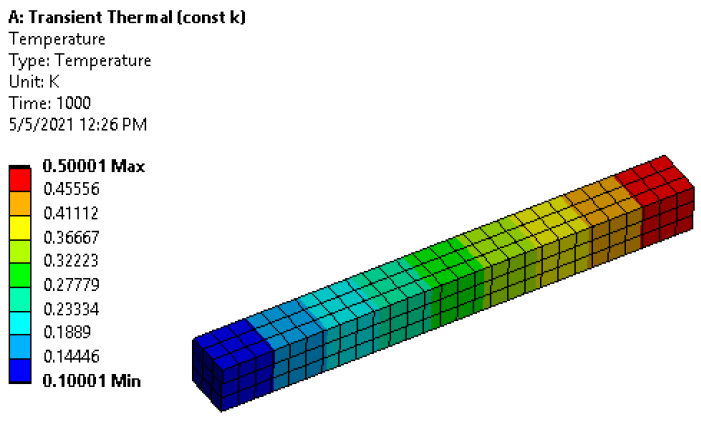
Using tools like Ansys Icepak and Ansys Mechanical, engineers can model heat transfer behaviours in materials at extremely low temperatures, taking into account the unique thermal properties that arise as materials approach absolute zero.
These simulations allow for the evaluation of thermal conductivity, heat dissipation, and insulation effectiveness, enabling the design of efficient cooling systems and cryostats that maintain optimal operating conditions. By accurately predicting thermal performance under sub-kelvin conditions, Ansys helps researchers optimise the thermal design of their devices, ensuring stability, functionality, and improved performance in sensitive cryogenic applications.
Benefits of Using Ansys Lumerical for IQP Design
Precision and Accuracy
Ansys Lumerical provides high-fidelity simulations that allow engineers to model complex photonic structures with exceptional precision. This capability is essential in quantum photonics, where even minor design alterations can significantly impact performance.
From waveguide design to wave-particle interaction, Ansys Lumerical encompasses a suite of simulation tools that cater to various aspects of integrated quantum photonics. Users can seamlessly integrate different simulation domains, ensuring that all relevant physical phenomena are considered throughout the design process.
Optimised Design Workflows
Ansys Lumerical streamlines the design process, enabling rapid prototyping and iterative design improvements. By utilizing powerful optimization algorithms and customizable workflows, users can minimize time-to-market while ensuring their components meet stringent performance criteria.
Cross-Disciplinary Collaboration
The complex nature of quantum photonics necessitates collaboration across multiple disciplines, including materials science, optics, and electrical engineering. Ansys Lumerical fosters this collaboration through its user-friendly interface and support for commonly used programming languages, allowing teams to work together efficiently.
Enhanced Performance Prediction
With advanced modeling capabilities, Ansys Lumerical enables accurate predictions of component performance, including losses, bandwidth, and efficiency. This foresight is crucial in the development of reliable integrated quantum photonics components that can be scaled for practical applications, such as quantum communication and computation.
Support for Industry Standards
Ansys Lumerical adheres to industry standards, ensuring that the components designed using its tools are compatible with existing technologies and standards in the field. This compatibility is vital for future integration into larger systems and for driving the adoption of new photonic technologies.
Robust Documentation and Resources
Users gain access to extensive documentation, tutorials, and community resources that facilitate learning and troubleshooting. Whether you are a novice or an experienced practitioner, Ansys Lumerical provides the support needed to navigate the complexities of quantum photonics design.
Ansys Lumerical: Shaping the Quantum Future
Incorporating Ansys Lumerical into your design workflow for integrated quantum photonics components opens the door to new possibilities in quantum technology. Its robust simulation capabilities, precision, and user-friendly tools make it an essential resource for anyone looking to innovate in this fast-evolving field.
Explore how Ansys Lumerical can enhance your design process and contribute to breakthrough advancements in integrated quantum photonics. Join the forefront of quantum technology today!
Explore related products
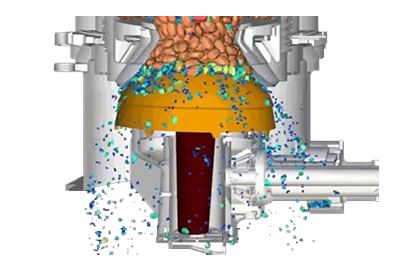
Ansys Rocky
Rocky DEM is the industry-leading discrete element method (DEM) software used for particle dynamics, simulating the motion of granular and discontinuous material.
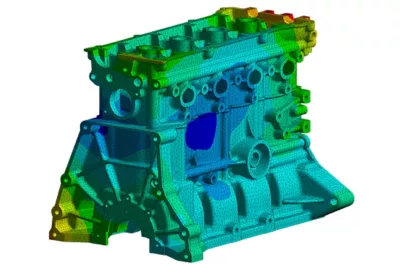
Structural analysis with Ansys Mechanical provides robust general purpose stress, thermal, modal and fatigue simulations for fast and accurate solutions.
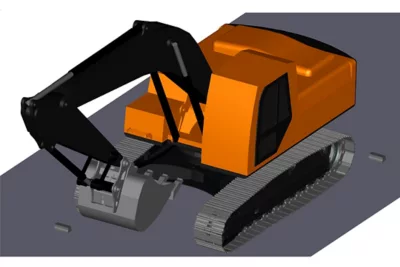
This multibody dynamic solver for analysis of rigid and flexible bodies is capable of accurate evaluation of physical events through the analysis of a whole system.
Ansys Granta is a scalable solution to create, control and store your company’s valuable material data, enabling you to capitalise on your organisation’s Material Intelligence.
*Our commitment to you is that your call will be acknowledged as soon as possible and no later than 30 minutes after receipt during normal office hours.
Contact LEAP Australia for Technical Support for PTC Software
During Standard Operation Hours (08:30-17:00 AEST/AEDT, Mon-Fri)
*Our commitment to you is that your call will be acknowledged as soon as possible and no later than 30 minutes after receipt during normal office hours.