
Skip to content

Computational Fluid Dynamics – LEAP Australia

LEAP Australia is the leading engineering software solutions provider in Australia and New Zealand, assisting thousands of companies with their design and engineering problems. The aim of this site is to share the extensive experience and knowledge we have gained over the years in working with Computational Fluid Dynamics. If you are also interested in Finite Element Analysis, we encourage you to visit our FEA blog.
Digital Transformation solutions at LEAP Australia - Product Design Blog

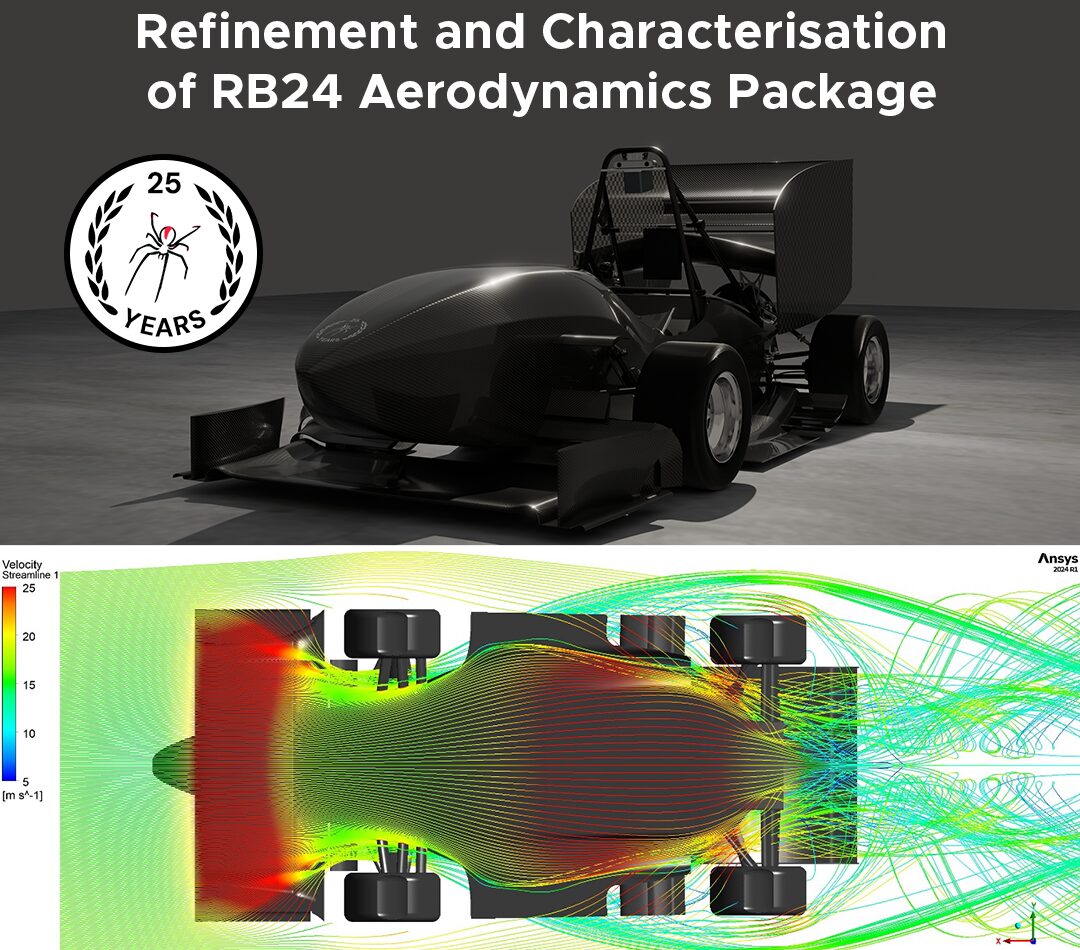
Refinement and Characterisation of RB24 Aerodynamics Package

In part two of his guest blog series, Julio Martins, former Aerodynamics & Cooling Lead, UNSW Redback Racing explains the growth in understanding gained during the design of RB24 by simulating the aerodynamic package performance in Roll, Pitch, Yaw and Heave as well as analysis of the balance shift with different front and rear wing DRS flap settings.

Read More »

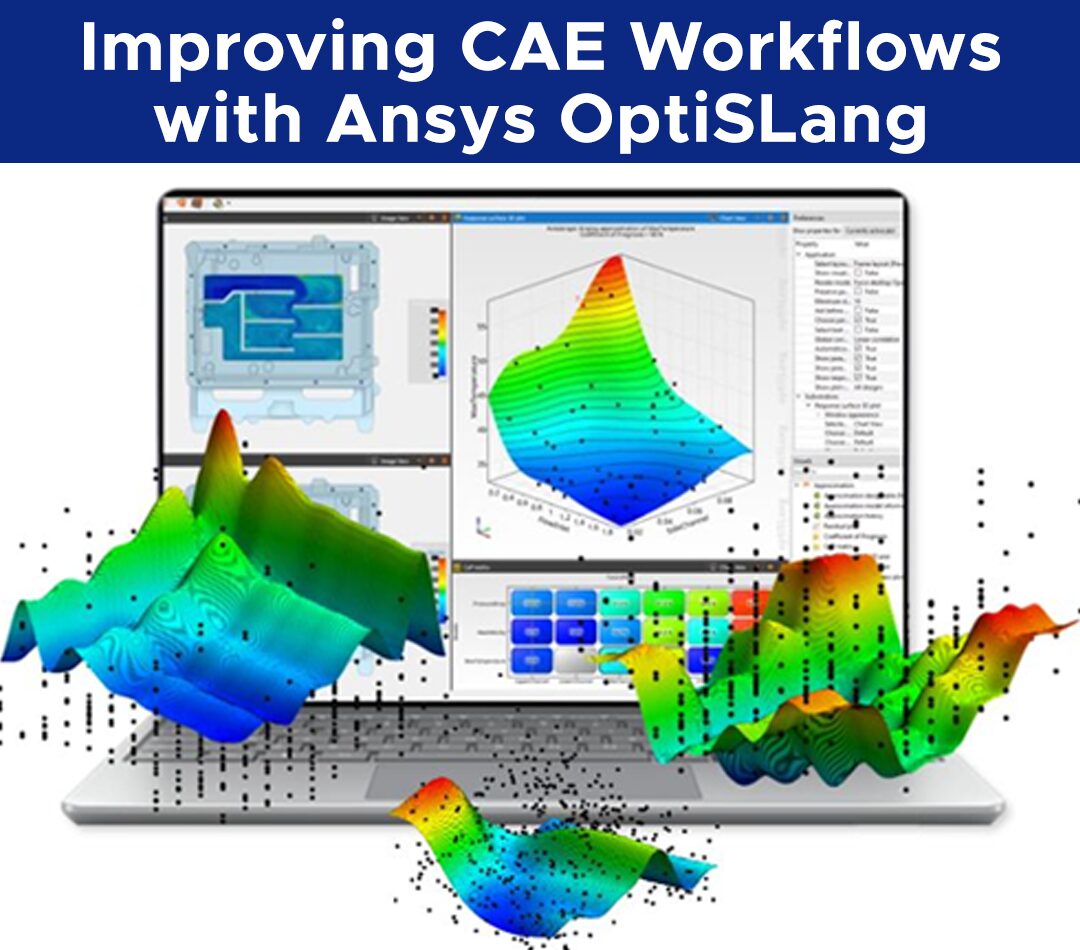
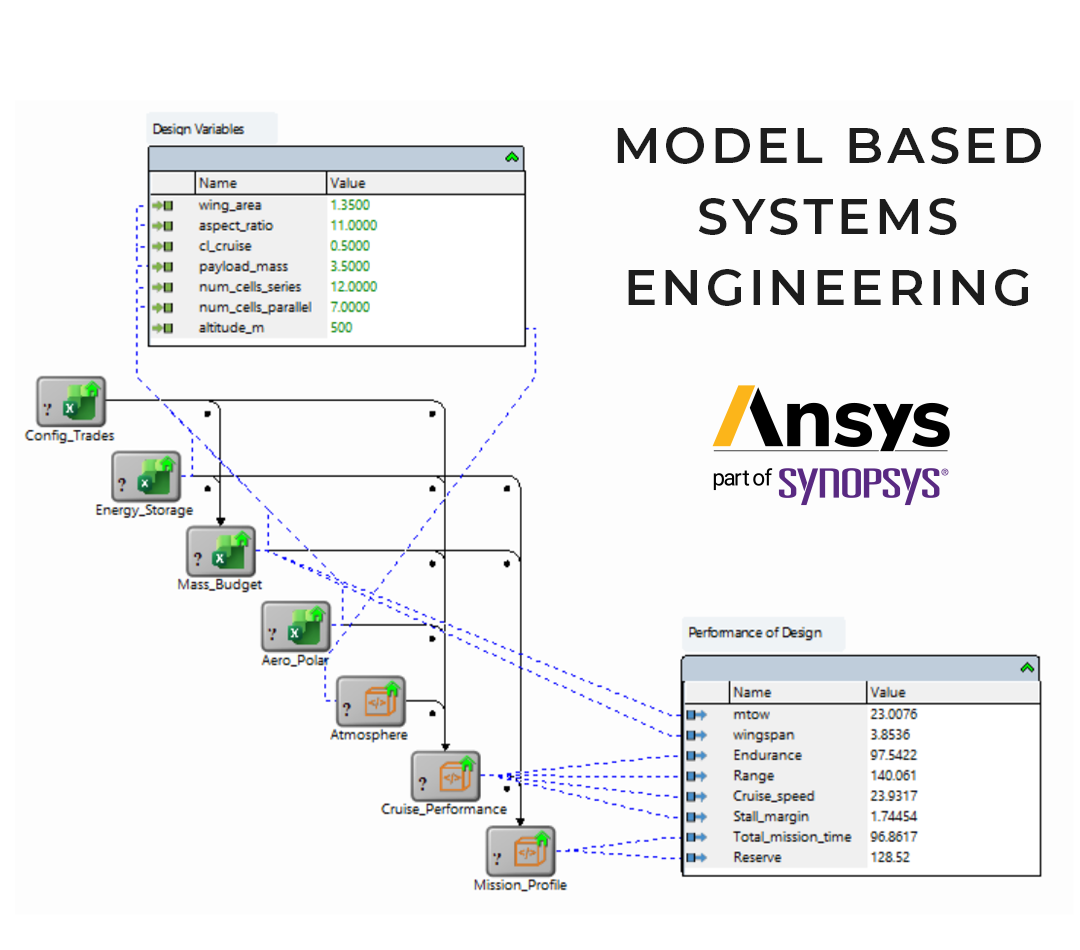
Improving CAE Workflows with Ansys OptiSLang

Product development cycles face competing pressures – accelerate development and ensure reliability, all while balancing cost control and flexibility to innovate. Since engineers are under constant pressure to deliver faster, safer, and more cost-effective designs, we need a way to evaluate trade-offs ‑early, before design freedom is lost. Ansys OptiSLang is built precisely for this purpose, by changing the paradigm from “simulate to check” to “simulate to discover”.

Read More »

How to approach hardware selection in 2025 for Ansys CFD solvers (all budgets considered – from laptops to clusters!)

Working at the bleeding-edge of engineering simulations, LEAP’s engineers are frequently asked for advice from our clients across many different industries, who are looking to successfully navigate the balance between cost and optimal solver performance when purchasing new hardware. The following advice is primarily based on LEAP’s accumulated recent experience with a particular focus on CFD workloads (Ansys Fluent), as FVM codes are capable of scaling incredibly well if the system is well designed.

Read More »

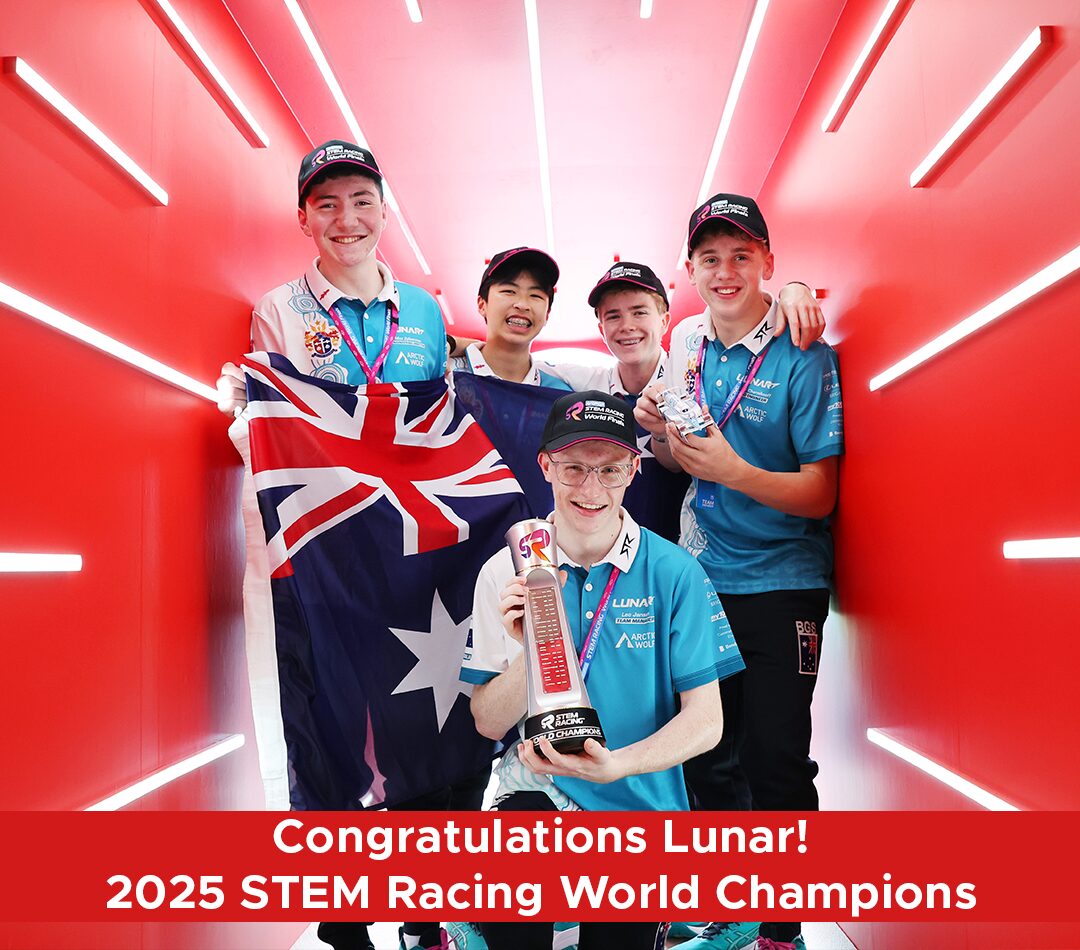
Australian team Lunar crowned 2025 STEM Racing World Champions in Singapore

Team Lunar has been competing in STEM Racing since 2022, and has become one of the most dominant Australian teams in the program. The team placed 3rd at the World Finals in Saudi Arabia in 2024, and won back-to-back Australian National Finals. From Brighton Grammar School in Melbourne, the team comprising of 5 year 11 students: Leo Jansen, Max Zylberman, Oliver Chernikeeff, Liam Jones and Max Zhou has become the eighth team from Australia to be crowned STEM Racing (formerly F1 in Schools) World Champions, supported with LEAP’s industry-standard simulation and 3D rendering software.

Read More »

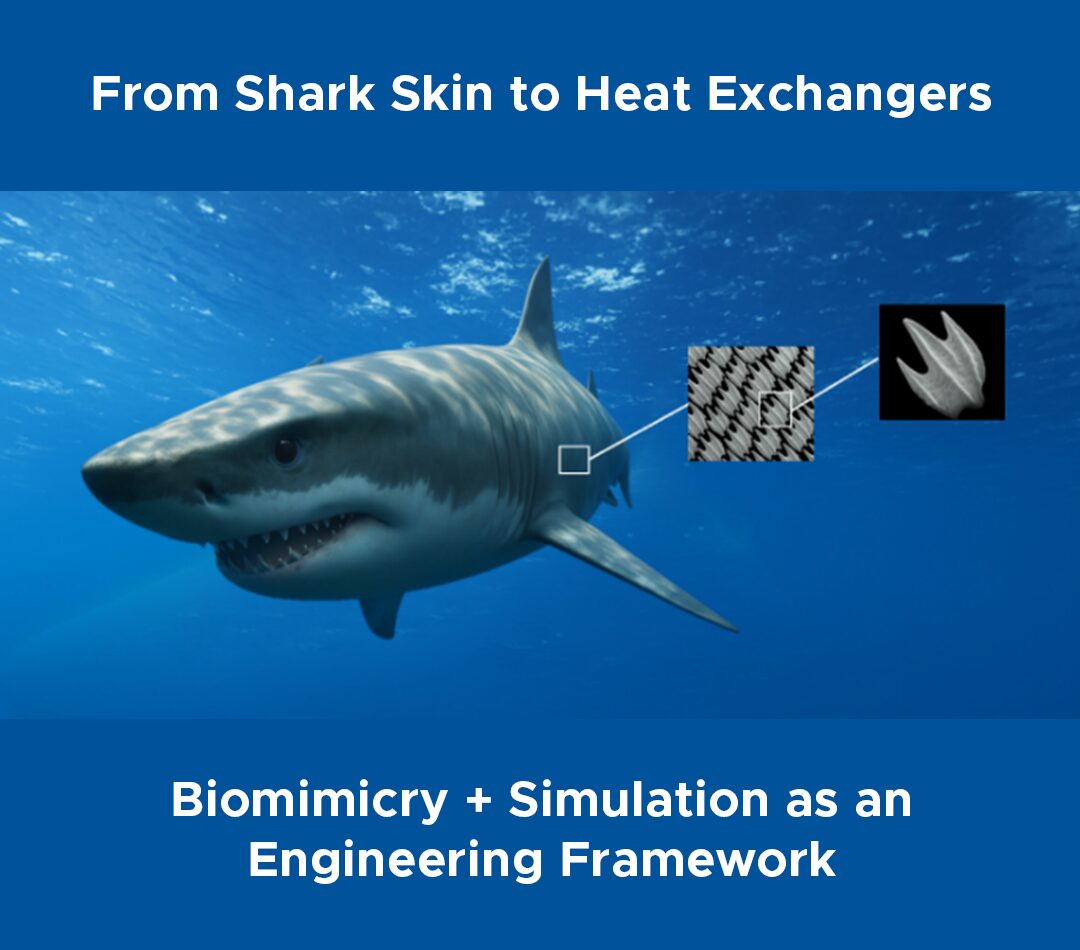
From Shark Skin to Heat Exchangers: Biomimicry + Simulation as an Engineering Framework

Dr. Aakash Shaun Hurry’s PhD research set out to answer a simple but powerful question: can inspiration from nature help us design more efficient heat exchangers? In this guest blog article, Dr Hurry describes how he used a combination of CFD simulation, additive manufacturing, and laboratory testing to explore how the microscopic scales of shark denticles could be applied to heat exchanger fins to improve heat transfer and overall performance.

Read More »

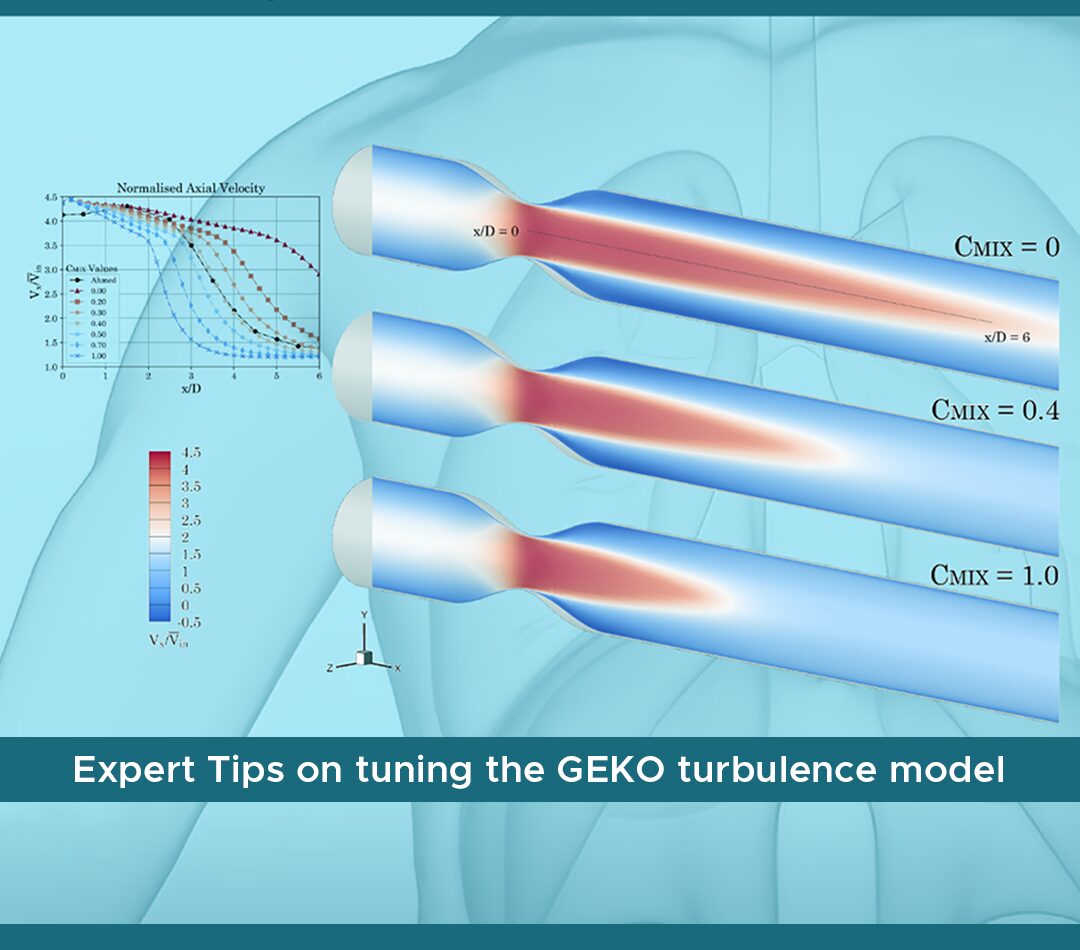
Expert Tips on tuning the GEKO turbulence model

This article answers the question, “What is special about the GEKO model compared with all other two equation RANS models?” The result of the decades of experience that Dr. Florian Menter has acquired through his vast experience of turbulence modelling at NASA and Ansys, the GEKO model is very much the culmination of a life’s work on improving turbulence models to make them what he calls “industrial strength”. Read on to learn more.

Read More »

Fluid-structure interaction simulation of wave overtopping flow and vegetation for coastal hazard mitigation

Climate change is increasing the exposure of communities to coastal hazards and traditional solutions, such as seawalls or revetments, can have a high financial, social and environmental cost. As a result, nature-based solutions are encouraged in coastal policy. This guest article by University of Auckland’s Joshua Bagg, Mark Battley, Colin Whittaker and Tom Shand describes their unique research aimed to investigate the interaction between salt marsh grass and wave overtopping flow using Ansys Fluent and Ansys Rocky to inform the design of nature-based solutions.

Read More »

25th Anniversary of UNSW Redback Racing – A look back at Formula-SAE Aerodynamics Strategies

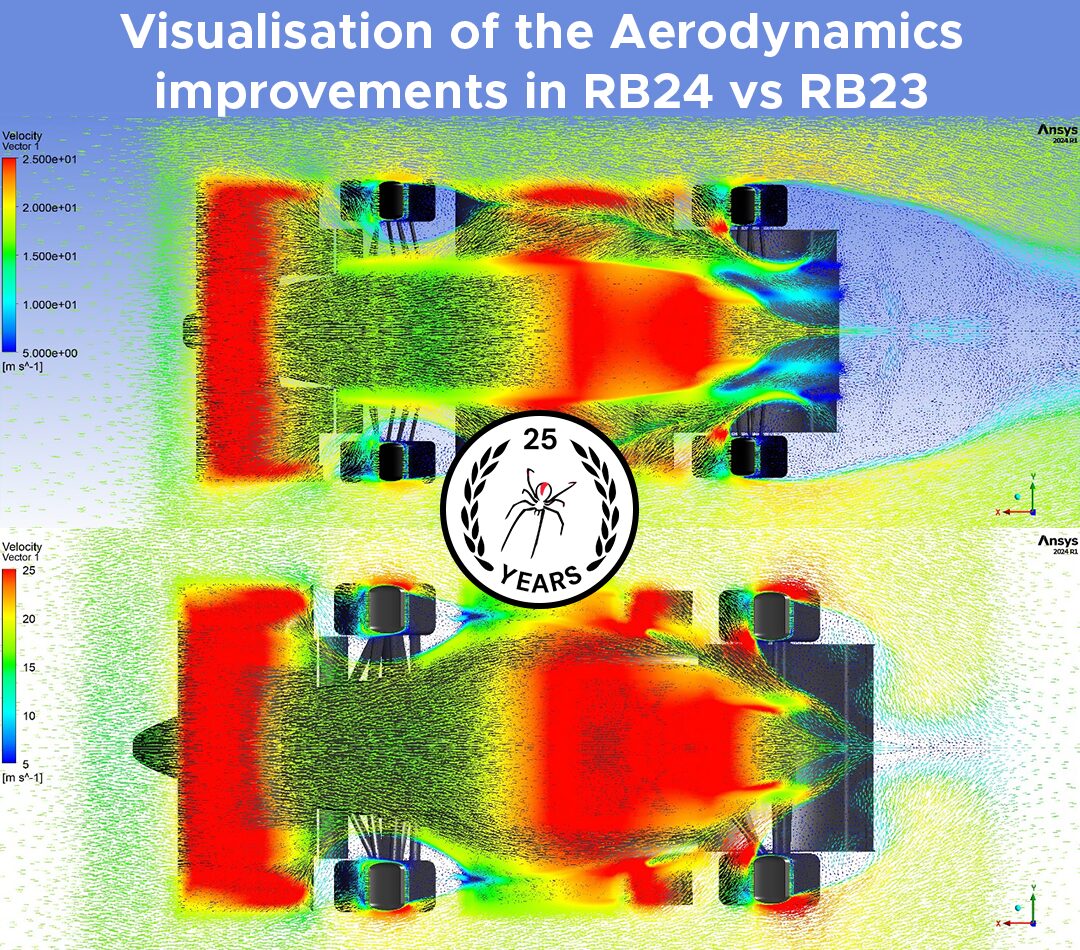
Founded in 2000, The University of New South Wales (UNSW) Formula SAE Team, UNSW Redback Racing has continued year on year to design, build and race in the Formula SAE Australasia competition. With each car, the team strives for improvement and innovation, building on previous designs and advancing their knowledge into the future. An important part of this process is the use of Ansys Simulation for their Aerodynamics package and in this article, the team outlines their aerodynamics simulation strategy, explaining how they got to their current design, and their plans for the future.

Read More »

LEAP at the Avalon Australian International Airshow 2025

The LEAP team had a fantastic week at the 2025 Avalon Australian International Airshow representing our partners PTC and Ansys and showcasing impressive innovations alongside Integra Systems, Monash HPR and RMIT University. Read our recap and see some of the technology on display during the show.

Read More »