
Skip to content

Computational Fluid Dynamics – LEAP Australia

LEAP Australia is the leading engineering software solutions provider in Australia and New Zealand, assisting thousands of companies with their design and engineering problems. The aim of this site is to share the extensive experience and knowledge we have gained over the years in working with Computational Fluid Dynamics. If you are also interested in Finite Element Analysis, we encourage you to visit our FEA blog.
Digital Transformation solutions at LEAP Australia - Product Design Blog

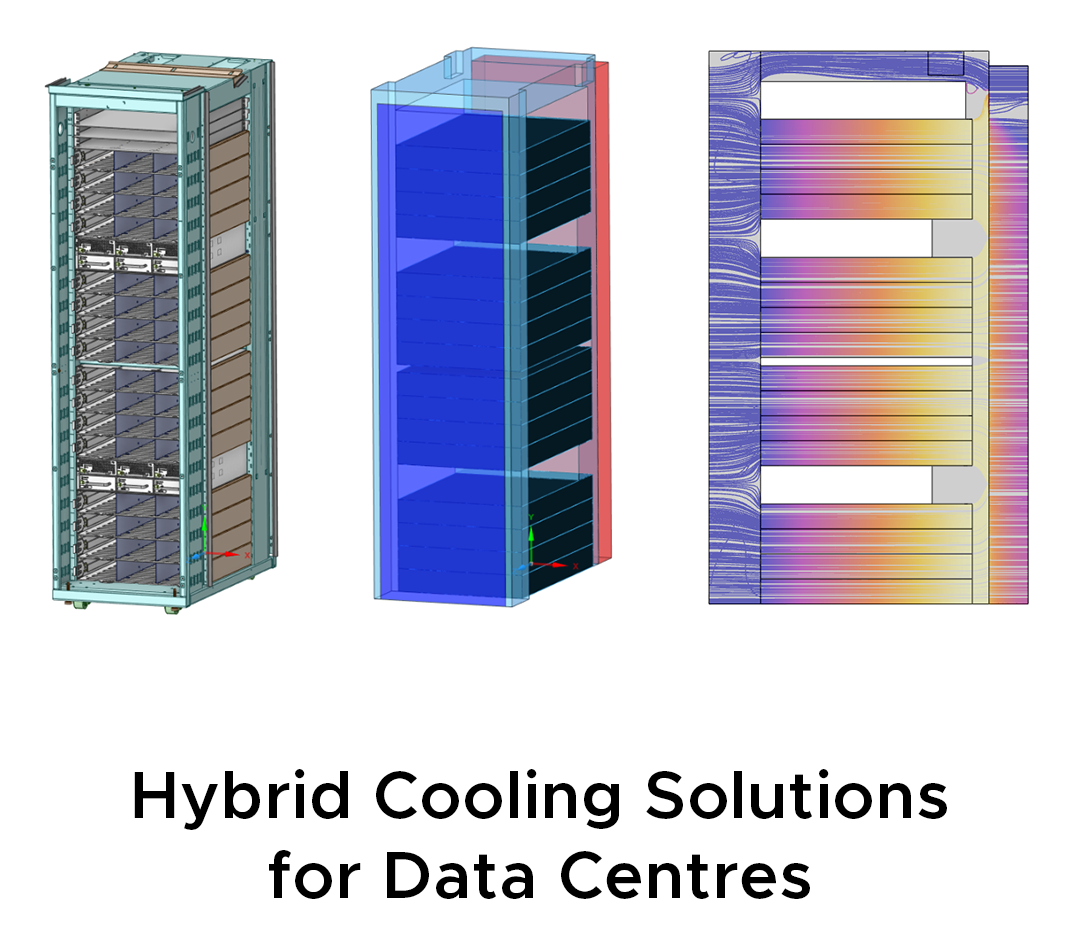
CFD Study of a Retro-fitted Hybrid Cooling Solution for a Modern Data Centre

AI’s rapid growth is driving demand for GPU computing, which can accelerate complex engineering simulations. Retrofitting GPU servers into data centres designed for CPUs can strain existing cooling systems, as GPU racks produce substantially more heat. In this article we outline our CFD study to assess and optimise a hybrid cooling solution for retrofitted data centres.
Read More »

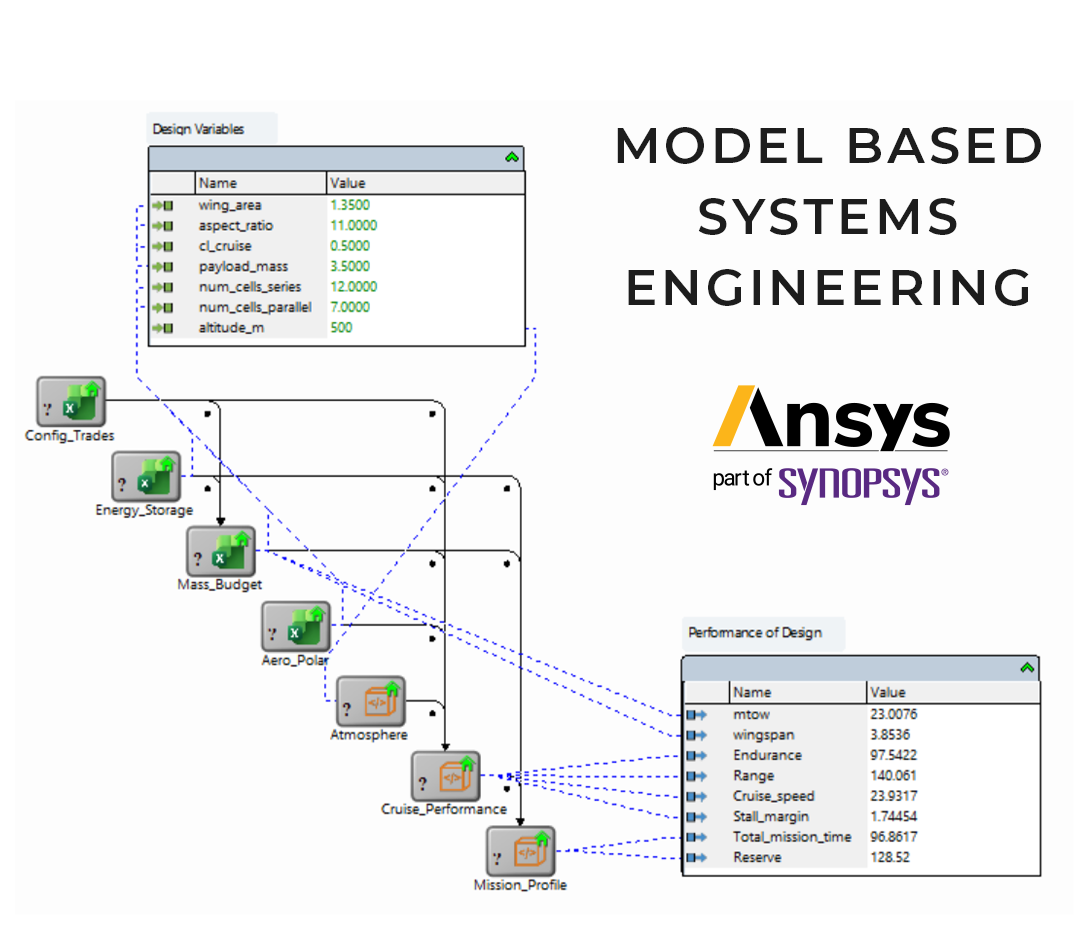
MBSE Workflows with Ansys

Engineers spend a surprising amount of time keeping information consistent. When a requirement changes, then someone has to work out which calculations, drawings and test plans are affected. It is engineering work, but it’s manual, easy to get wrong, and hard to trace afterwards. Model Based Systems Engineering, or MBSE, is a way of avoiding that. Rather than describing a product across a set of separate documents, MBSE captures it in one connected model.

Read More »

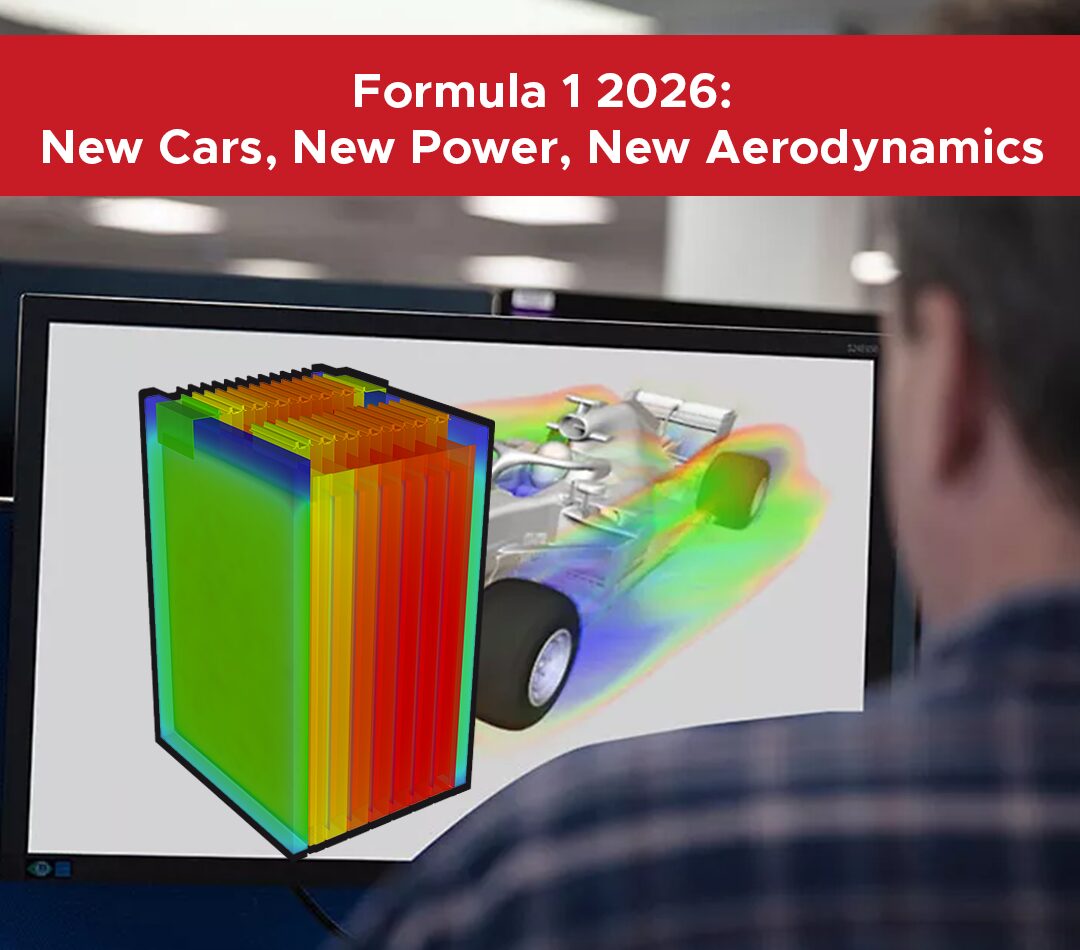
Formula 1 2026: New Cars, New Power, New Aerodynamics

An exciting new season of #F1 is upon us, bringing brand new 50-50 split hybrid-powered cars and a host of new regulations to go with them. With the first race of the 2026 FIA Formula 1 World Championship taking place in Melbourne this weekend, what better time to take a closer look at the aerodynamics rule changes and how the latest enhancements to Ansys Fluent can help teams make the most of them.
In this article we take a look at exactly what has changed, how teams are adapting to make the most of the changes and how they will impact the race this weekend.

Read More »

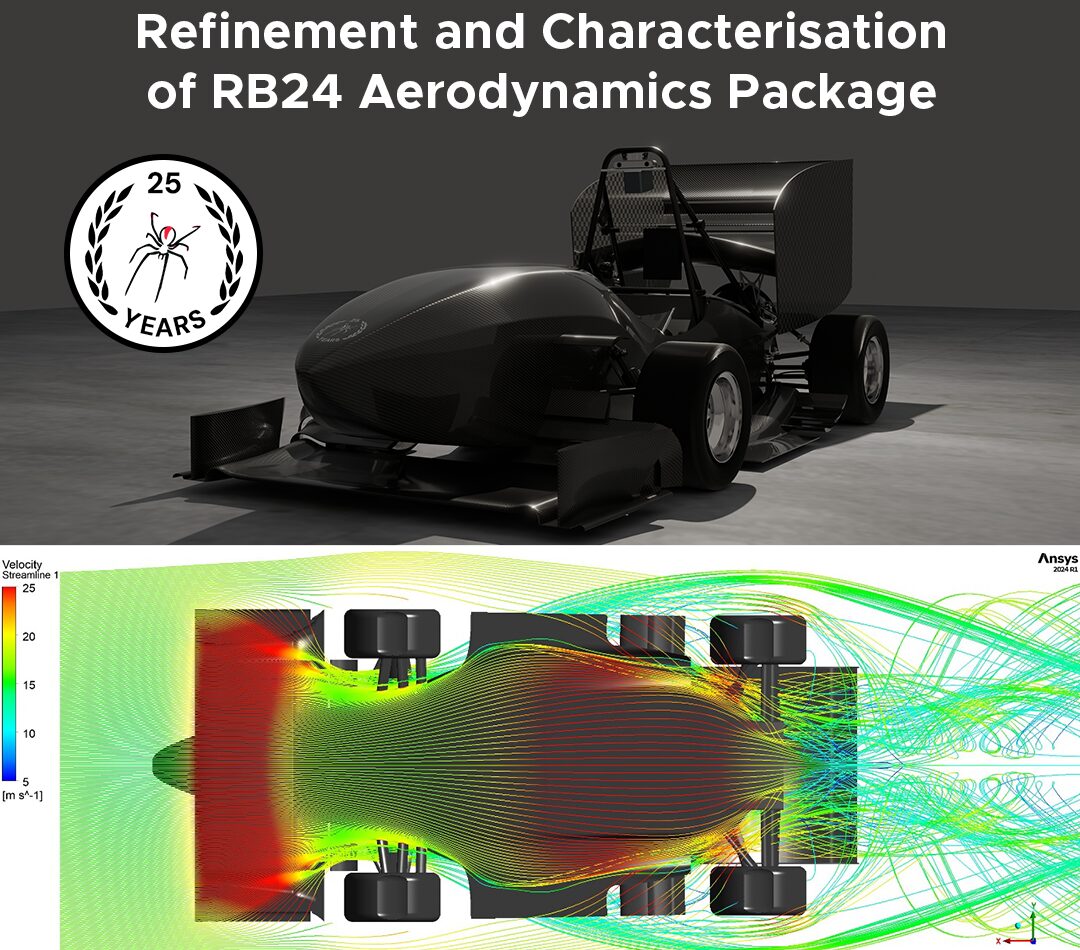
Refinement and Characterisation of RB24 Aerodynamics Package

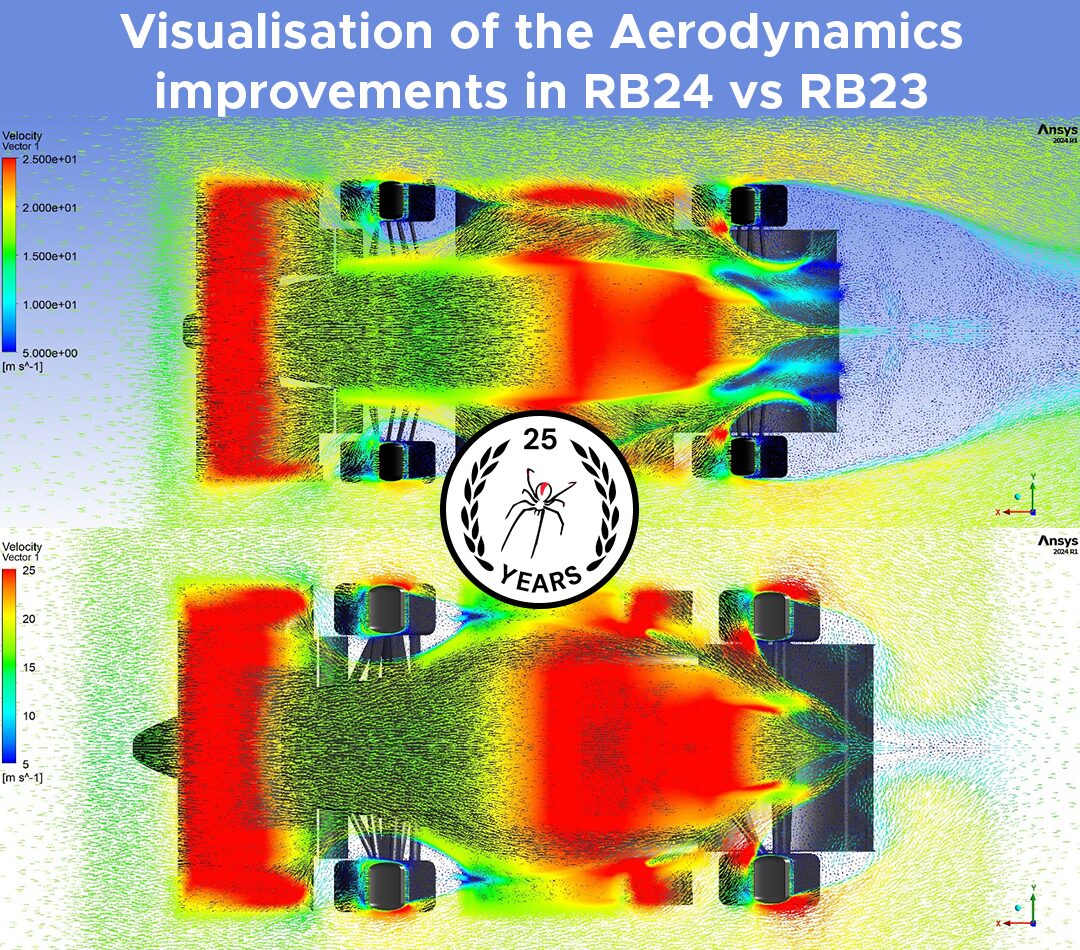
In part two of his guest blog series, Julio Martins, former Aerodynamics & Cooling Lead, UNSW Redback Racing explains the growth in understanding gained during the design of RB24 by simulating the aerodynamic package performance in Roll, Pitch, Yaw and Heave as well as analysis of the balance shift with different front and rear wing DRS flap settings.

Read More »

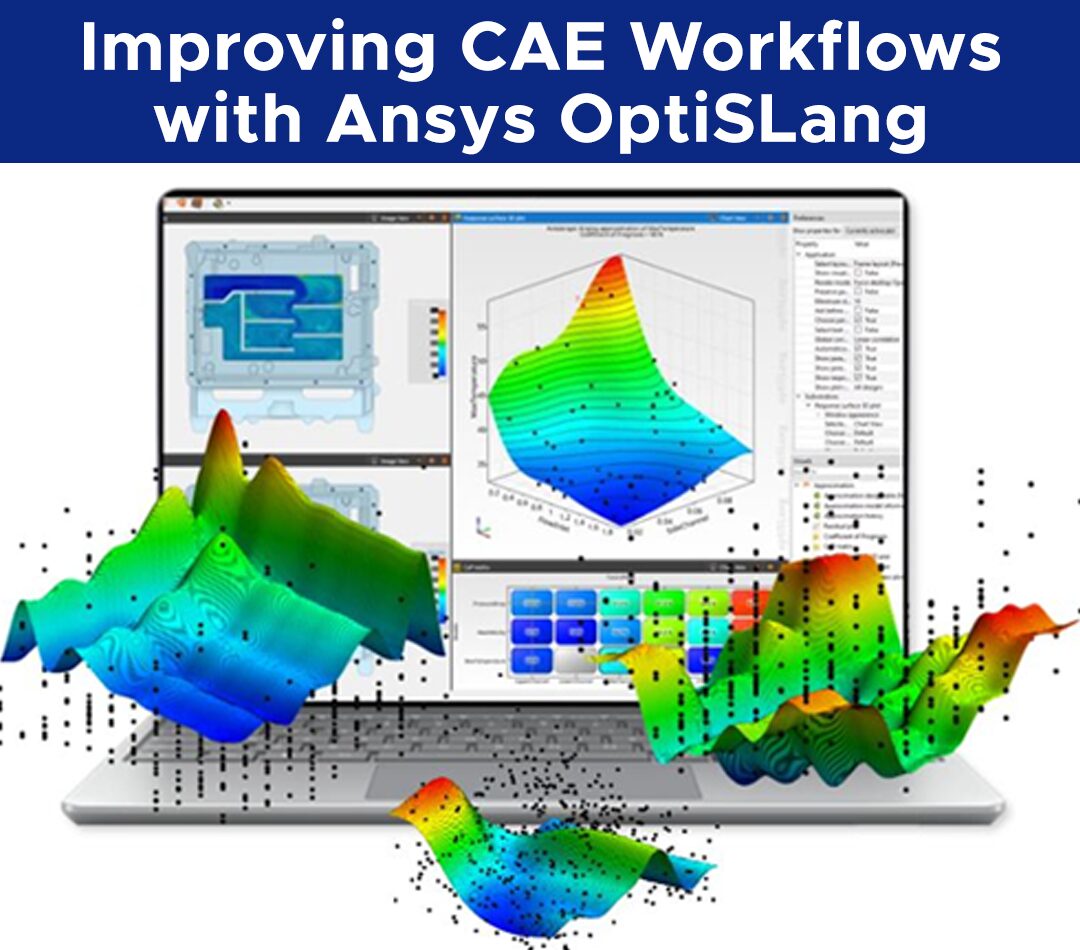
Improving CAE Workflows with Ansys OptiSLang

Product development cycles face competing pressures – accelerate development and ensure reliability, all while balancing cost control and flexibility to innovate. Since engineers are under constant pressure to deliver faster, safer, and more cost-effective designs, we need a way to evaluate trade-offs ‑early, before design freedom is lost. Ansys OptiSLang is built precisely for this purpose, by changing the paradigm from “simulate to check” to “simulate to discover”.

Read More »

How to approach hardware selection in 2025 for Ansys CFD solvers (all budgets considered – from laptops to clusters!)

Working at the bleeding-edge of engineering simulations, LEAP’s engineers are frequently asked for advice from our clients across many different industries, who are looking to successfully navigate the balance between cost and optimal solver performance when purchasing new hardware. The following advice is primarily based on LEAP’s accumulated recent experience with a particular focus on CFD workloads (Ansys Fluent), as FVM codes are capable of scaling incredibly well if the system is well designed.

Read More »

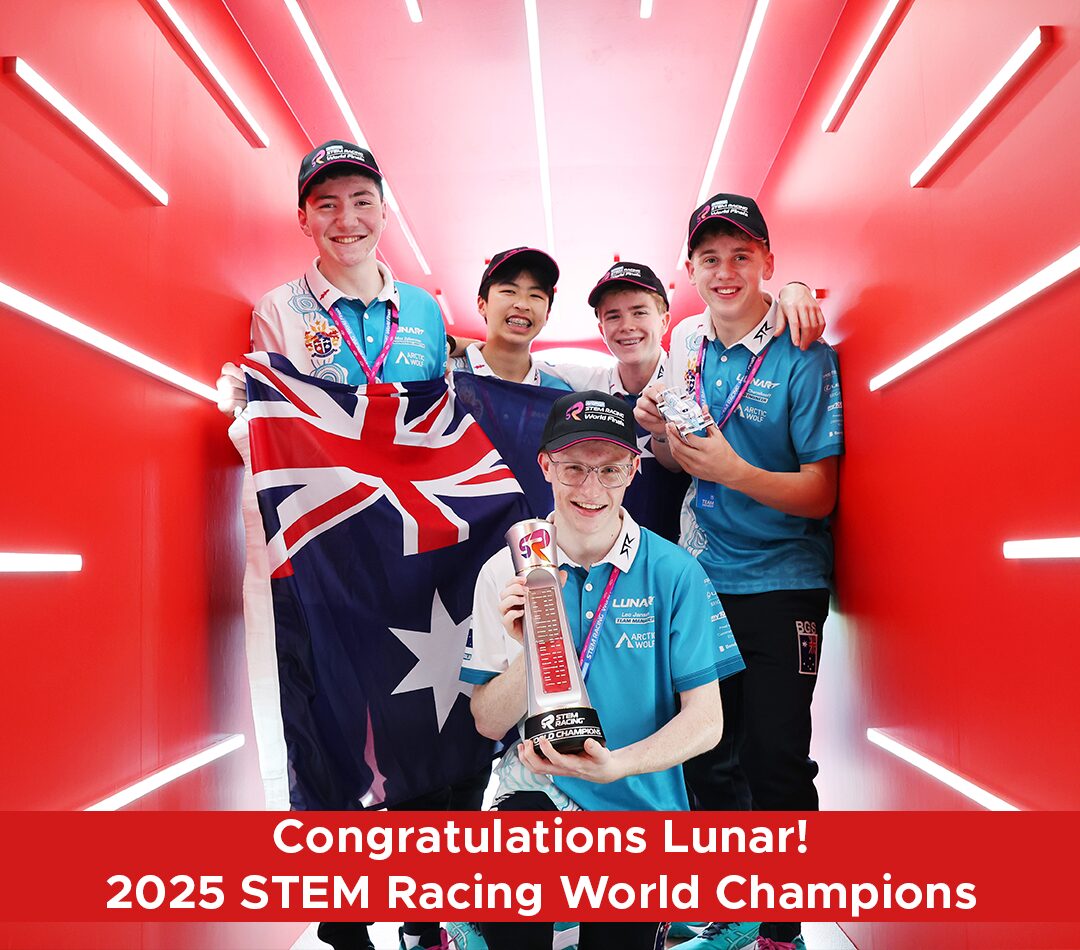
Australian team Lunar crowned 2025 STEM Racing World Champions in Singapore

Team Lunar has been competing in STEM Racing since 2022, and has become one of the most dominant Australian teams in the program. The team placed 3rd at the World Finals in Saudi Arabia in 2024, and won back-to-back Australian National Finals. From Brighton Grammar School in Melbourne, the team comprising of 5 year 11 students: Leo Jansen, Max Zylberman, Oliver Chernikeeff, Liam Jones and Max Zhou has become the eighth team from Australia to be crowned STEM Racing (formerly F1 in Schools) World Champions, supported with LEAP’s industry-standard simulation and 3D rendering software.

Read More »