
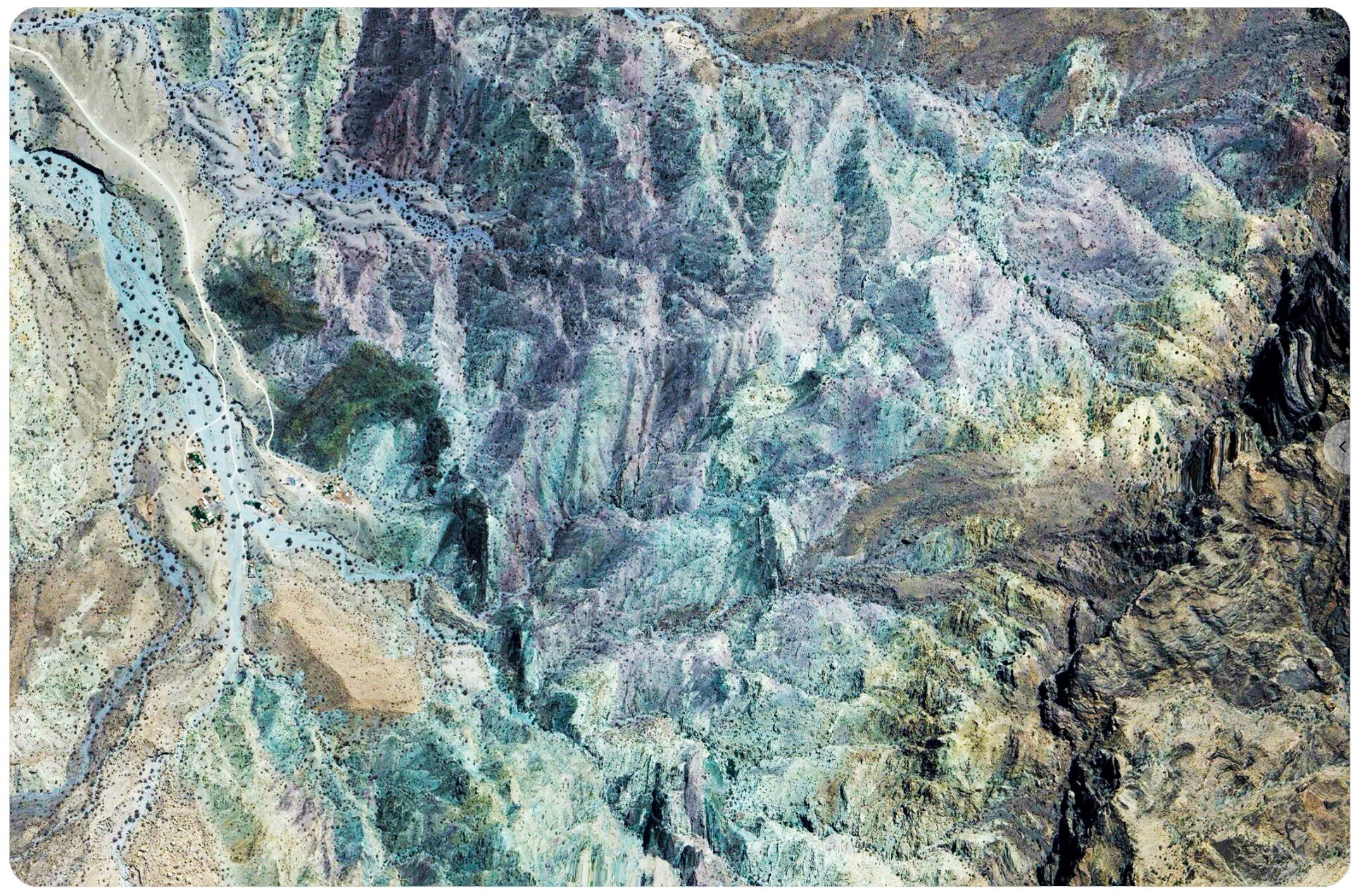
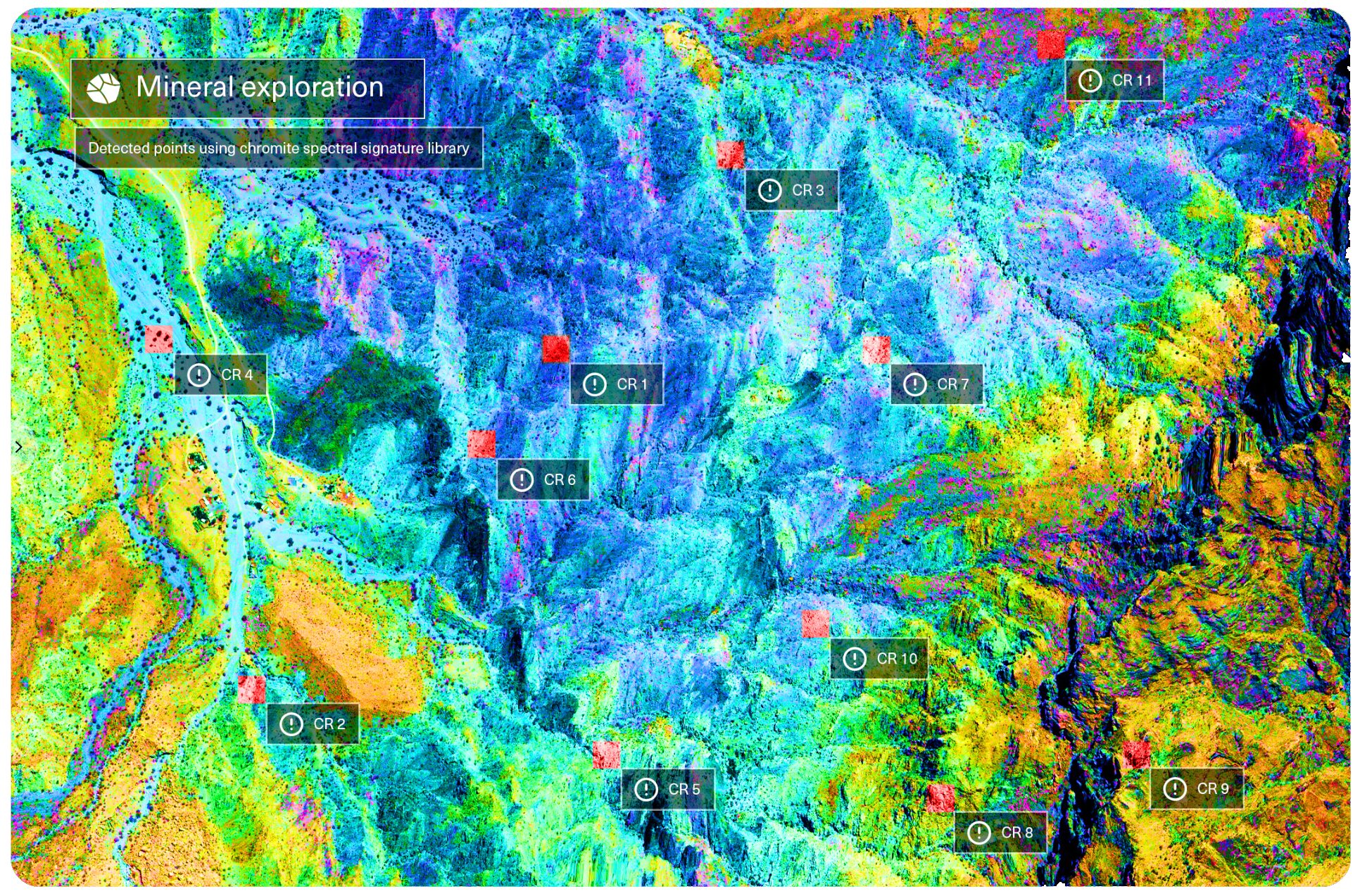
Esper Satellite Imagery develops hyperspectral imaging sensors for low Earth orbit, delivering affordable, wide-spectrum data for agriculture, mining, and environmental monitoring. Their mission is to deploy 18+ sensors by 2028, providing global, high-frequency insights.
LEAP sat down with Shoaib Iqbal, Co-founder and CEO of Esper Satellite Imagery to learn how Ansys simulation tools are helping Esper to achieve their goals.

What are the technical challenges that the Esper Satellite Imagery team faces?
Working in the space industry, accelerating product development to maximise testing time is always a priority. As a result, our development timelines are extremely tight — from concept design through simulation, manufacturing, and testing, each phase involves multiple iterations to address both anticipated and unforeseen challenges identified through DFMEA and real-world feedback.
One of the earliest and most critical constraints we face is volume and mass budgeting. For hosted payloads, these parameters define launch compatibility and form the foundation for every design decision. Designing a payload that fits within strict volume limits while maintaining the required structural stiffness and survivability under launch and operational loads demands both creativity and innovation.
Thermal considerations represent another major challenge. Developing an effective thermal management system is crucial to ensuring payload survivability and performance throughout its mission lifetime. To achieve this, we rely heavily on simulation-driven design, using Ansys tools to replicate real-world environmental conditions and evaluate system behaviour under them.
How has your use of Ansys simulation so far help your engineers to meet these challenges?
For starters, Ansys has helped us with important structural design work, as one of our primary validation parameters is the first harmonic natural frequency. This threshold, often defined by the host platform to avoid structural amplification, can be rapidly evaluated in Ansys Mechanical (Modal Analysis) early in the design cycle. This approach helps our engineers identify stiffness-related issues before fabrication, saving both time and cost while improving design confidence ahead of physical testing.
Being an Earth observation company, Esper faces a unique set of challenges involving optical precision. Our payloads must maintain extreme optical alignment accuracy while enduring harsh vibrational launch loads and cyclic thermal stresses in orbit. Using a tightly coupled Ansys workflow—where thermal stress results are translated into mechanical deformation and imported into Zemax to assess optical performance—has been transformative. This multiphysics simulation loop allows us to predict optical degradation under real operating conditions and validate design decisions without extensive physical testing, which is particularly valuable given that each payload is typically a one-off build.
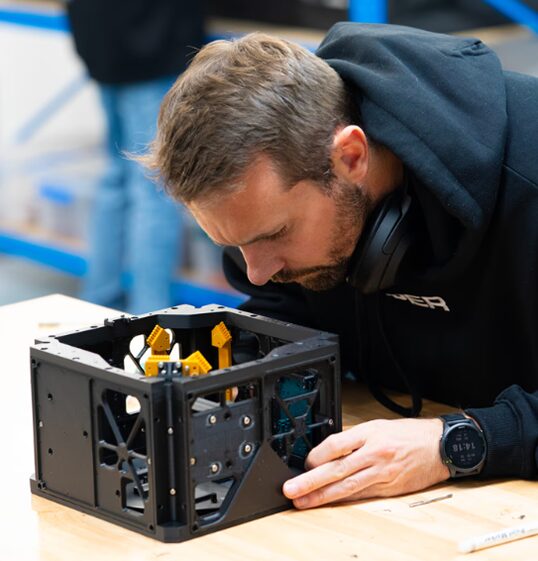
Additionally, Thermal Desktop simulations enable us to verify that expected orbital temperatures remain within safe operational limits, while Modal and Harmonic Response analyses help confirm that vibration and stress levels are within design tolerances. These integrated analyses give our engineers the confidence to proceed with manufacturing and qualification testing, minimizing unexpected issues during later stages.
This simulation-driven workflow has provided tangible benefits. A recent example involved meeting a minimum natural frequency requirement of 200 Hz set by our host. Our initial concept met the mass and volume constraints but fell short of the frequency requirement. Using Ansys Mechanical, our engineers quickly identified stiffness deficiencies, iterated the structure, and successfully achieved a first mode above 250 Hz, well within acceptable limits—all before a single prototype was built.
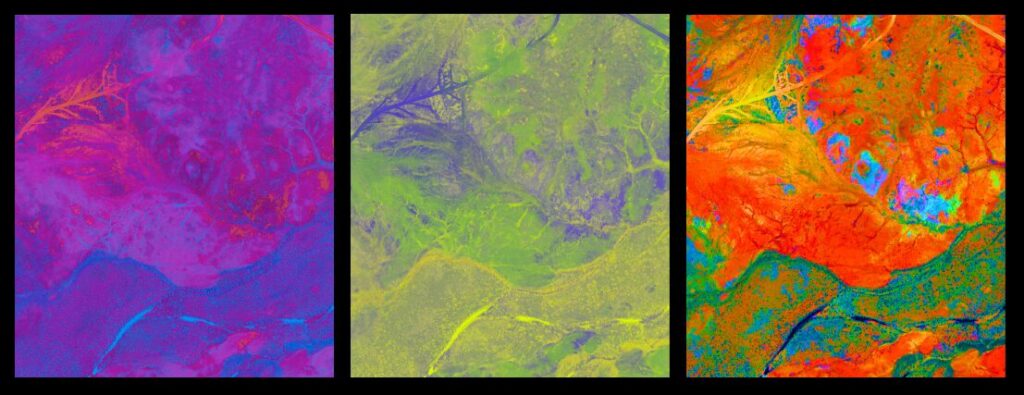
What are your team’s observations relating to their work with Ansys and support from LEAP’s technical team?
The LEAP Australia support team has been instrumental in our progress, offering invaluable guidance on simulation setup, best practices, and workflow optimisation. Their expertise has empowered both new and experienced engineers at Esper to get the most out of Ansys tools, significantly accelerating our design-to-test process.
Looking ahead, Esper is working toward establishing a fully integrated Ansys workflow—linking Zemax for optical performance, STK for mission planning, Thermal Desktop for thermal analysis, and Mechanical for structural simulation—to achieve a seamless loop back into Zemax for assessing optical performance under expected mechanical and thermal deformations. This end-to-end simulation capability will be key to enabling faster, more reliable, and higher-performing satellite payloads in future missions.