
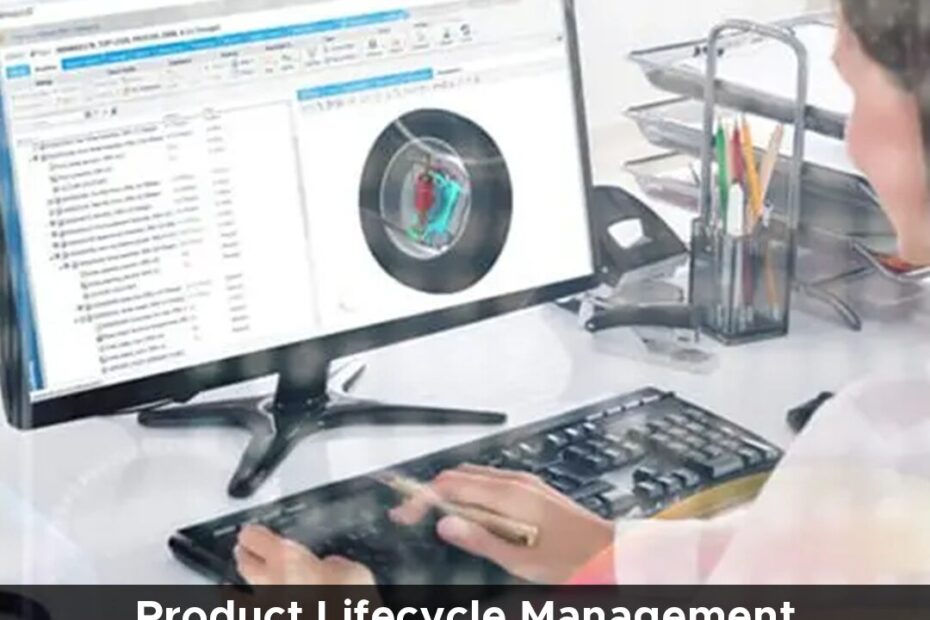
The Intelligent Product Lifecycle encapsulates every phase of product development, from initial definitions and design through production, servicing and ultimately, to end-of-life management. In this second instalment of the series we shift our focus deeper into the design phase, exploring the central role that the Bill of Materials (BOM), configuration management, change management and project management play within the Intelligent Product Lifecycle.
Windchill enables organisations to control their part-centric data, standardise workflows and enhance real-time collaboration across various departments. This seamless integration is not just relevant to PDM but is fundamentally linked to the broader PLM framework. While PDM often starts with managing CAD data, Windchill’s capabilities extend beyond that, supporting multiple CAD tools and encompassing various file types, including documents, images and ECAD data.
Allan Thompson, PTC Technical Manager at LEAP started off this instalment with a brief recap of part one which covered Windchill’s PDM capabilities, before revisiting the core concepts of the Intelligent Product Lifecycle – watch the video below for a quick refresh.
Next, Allan discussed the significance of effectively managing the BOM throughout a product’s lifecycle. A robust BOM is not merely a list of parts; it represents a structured definition of the entire product, which can evolve over time. Windchill offers a suite of tools that enable organisations to create and manage their BOMs in several ways. For instance, users can build a BOM from scratch, import data from spreadsheets, or derive it from CAD models—a process known as bottom-up building. This comprehensive approach allows teams to keep track of not only the physical parts and assemblies needed for production but also the myriad document types that are crucial to product definition, such as CAD files, specifications, and compliance documentation.
Moreover, managing the BOM involves ensuring that all associated data is organised and accessible, facilitating collaboration across departments. Windchill supports this by linking parts to their digital representations and associated documents while allowing for version control and change management. As the product evolves—from conception to design, manufacturing, and service—it’s vital to maintain a clear lineage of changes and access controls. Allan provided insights into how teams can leverage Windchill’s capabilities to manage configurations over time, utilising tools for tracking revisions, establishing baselines, and applying effectivity dates. Watch the clip below to learn how Windchill helps organisations define the ‘digital product’ and it’s constituent ‘digital parts’ to enhance product lifecycle management across the enterprise.
Allan then demonstrates how product structure management is implemented in Windchill, showcasing its powerful capabilities for organising and managing product data efficiently, including how the BOM not only enumerates components but also links to critical documentation like CAD models, drawings, and installation guides. This integrated approach makes it easy to track changes and access all relevant materials in a user-friendly interface, enhancing the overall efficiency of product development.
Allan also discussed Windchill’s configuration management capabilities. Many companies produce families of products with varying configurations and Windchill provides the tools necessary to manage these complexities effectively. In the clip below, Allan demonstrates how to define product variability by establishing rules that dictate interactions between components, facilitating the creation of modular designs.
As products evolve, managing change effectively is essential. Windchill provides a comprehensive set of tools and workflows to facilitate change management processes, whether simple or complex. The process often begins with a problem report, allowing team members to identify issues related to specific items. This can lead to change requests that may require input from various departments or a change review board, depending on the impact of the modifications. Once the details are addressed, a change notice is generated outlining the tasks required to implement the change, with clear responsibilities assigned to specific team members. This closed-loop change process ensures full visibility and traceability, as all information is linked directly to the relevant product data within Windchill.
Additionally, Allan highlights the project management capabilities built into Windchill, which support both project execution and collaboration. Project management allows teams to define project plans, assign tasks and track progress while ensuring deliverables are tied to the actual documents and models being worked on. This system streamlines workflows for both internal teams and external partners, limiting access to only the necessary information for team members and contractors. Allan demonstrates how project folders can be templated for consistency and how project schedules can be easily monitored within the Windchill interface. Watch the clip below for a deeper understanding of how Windchill can enhance your change management and project planning processes.
If you have enjoyed the first two instalments of our Intelligent Product Lifecycle series, make sure you join us for the next webinars in this series where you will learn how a strong PDM and PLM foundation enables organisational transformation by extending the value of product data into manufacturing and across the enterprise and becomes the backbone of AI-driven transformation across the business.
At any time, feel free to reach out to speak to our expert PLM team to discuss your specific requirements.