Skip to content

Ansys CFD

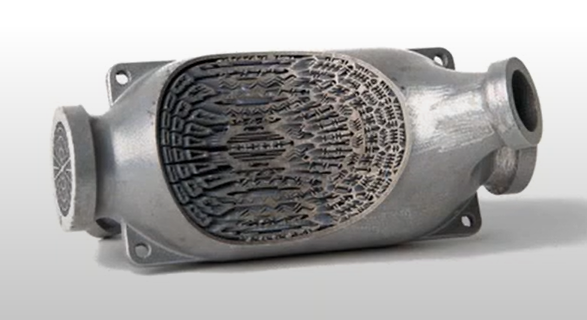
Heat Exchange CFD Calculations at Conflux Technology

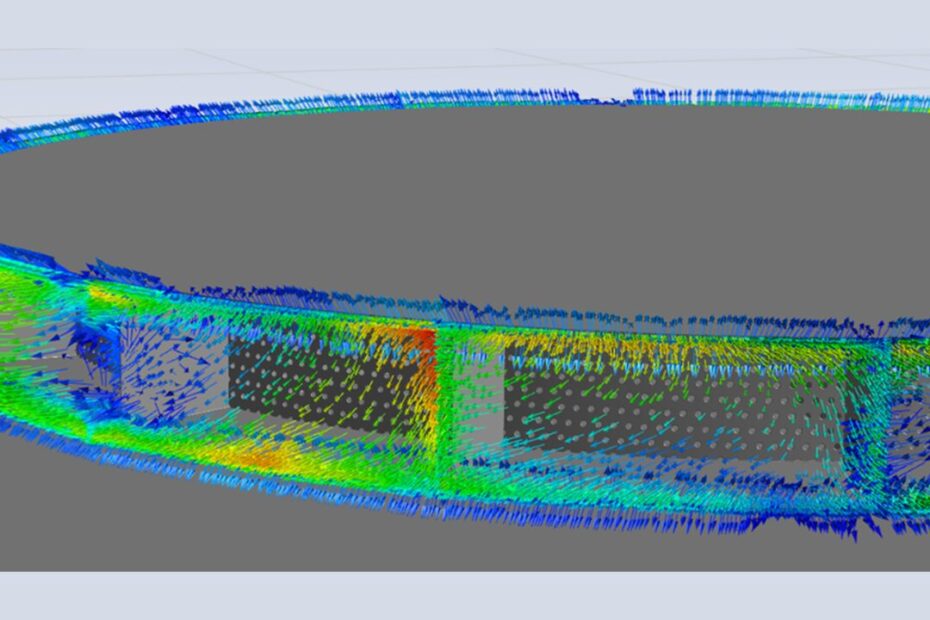
    This blog provides highlights from Conflux’s presentation on their CFD heat exchange calculations at the 2021 Australasian Ansys Fluids user group. Learn how a mix of design engineers, simulation experts and additive manufacturing specialists are creating cutting-edge heat transfer solutions with the aim of revolutionising the heat exchange technologies used across many industries.

    Ansys 2022 R1 Fluids Update

      Ansys 2022 R1 is now available – watch our recent update session with Prof. David Fletcher who discussed the new features of greatest interest to our customer base, including improvements in performance, usability, speed and model physics.

      How to Benefit from Decades of Experience in Turbulence Modelling

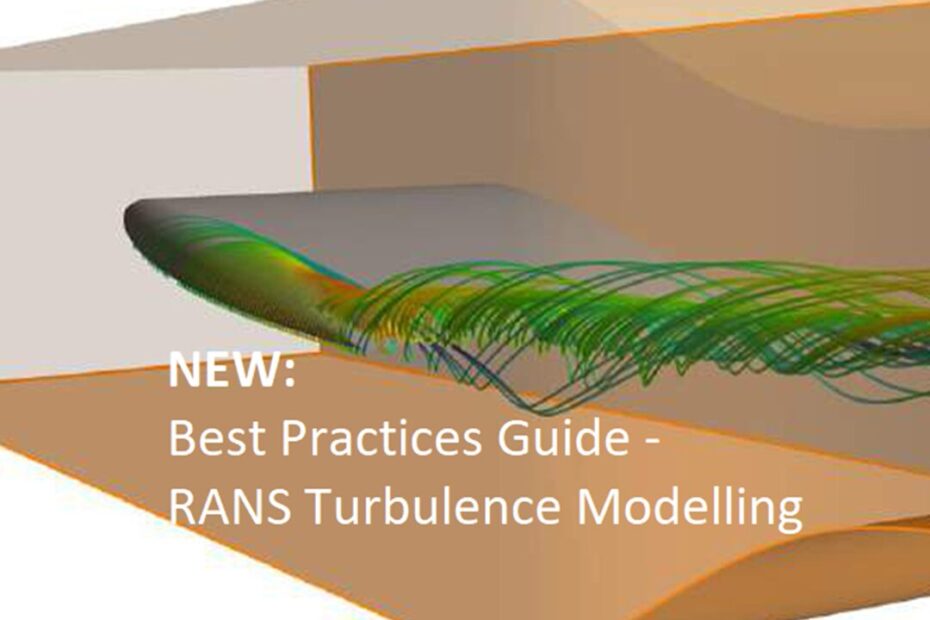
      David Fletcher from LEAP discusses the importance of the 3rd Turbulence Best Practices guide recently released by Florian Menter and his team at Ansys.
      This latest BPG documents the key best practices in RANS turbulence modelling, with comprehensive coverage of all widely-used 1-equation, 2-equation and Reynolds stress models.

      How to Use Expressions in Ansys Fluent (and convert from CEL)

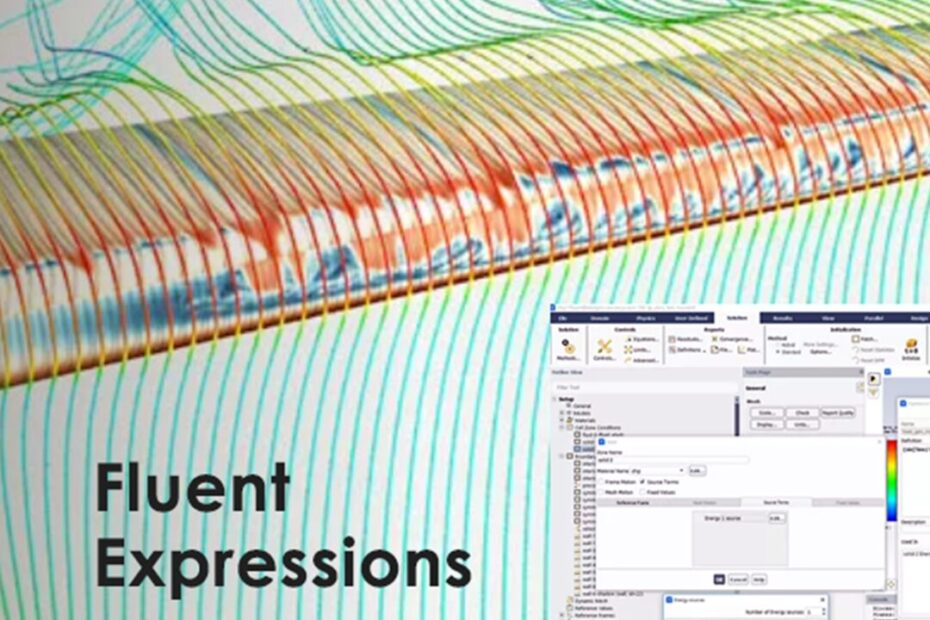
      Summary of a recent webinar presented by Prof. David Fletcher on how to take advantage of the powerful python-based expression language now available in Ansys Fluent. Examples shown included the use of expressions starting from scratch, plus examples showing how to convert your existing CFX CEL into Fluent expressions.

      Guest Blog by ECU-R: Analysing F-SAE Aerodynamic Flow Fields Using CFD

        Guest blog by ECU-Racing on how the team uses CFD simulation to drive aerodynamic design improvements, explaining how CFD simulation results provide help identify problematic aspects such as flow separation, undesirable flow structures, and poor use of flow energy which can then lead to new ideas which can be tested in CFD to improve the overall flow around the car.

        Helping EO/IR Sensors to accurately detect & track hypersonic vehicles

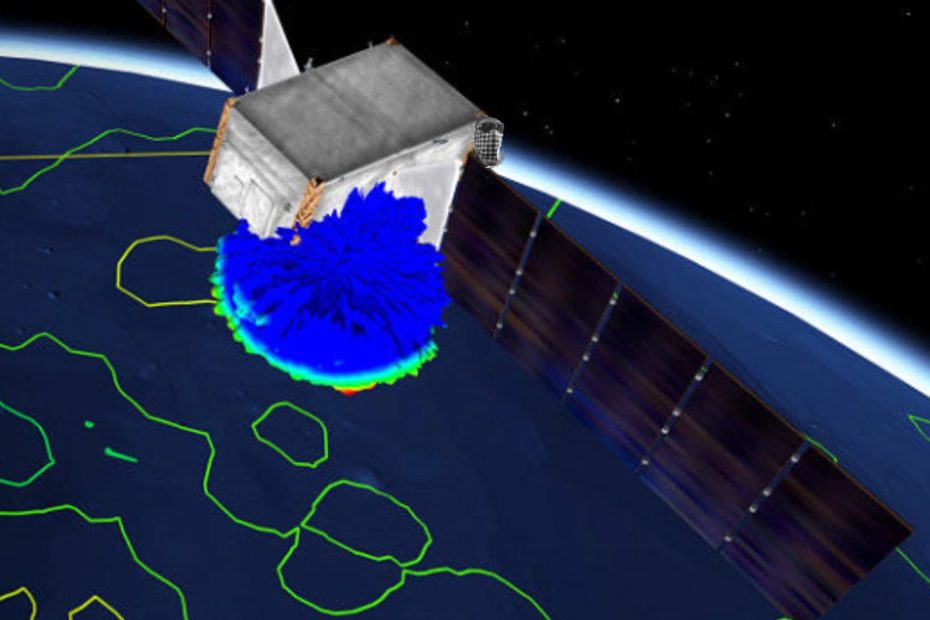
          Learn how recent developments in Ansys provide a new “optical CFD” workflow to help more accurately simulate the complex interactions between the flowfield and electromagnetic fields in the Electro-Optics / Infra-Red (EO/IR) range. This helps engineers to improve their simulations of flow field phenomena around fast-moving vehicles and improve the performance of EOIR sensor signals for tracking hypersonic vehicles.

          Guest Blog by RayGen: Powering a renewable energy future with simulation

            RayGen explains their vision to accelerate the global transition to renewable energy and how they are using CFD simulation to deliver innovative solar infrastructure projects such as their unique ‘PV Ultra’ concentrated PV technology that provides dispatchable electricity, heat, cooling and desalinated water, all day and night.

            LEAP’s Highlights from Ansys 2021 R2 Fluids release

              Prof. David Fletcher guides us through the key new features of interest in Ansys 2021 R2 for CFD, including some important new usability enhancements. This blog contains a series of short summaries with content tailored to particular physics / applications / topics of interest.