Skip to content

Finite Element Analysis

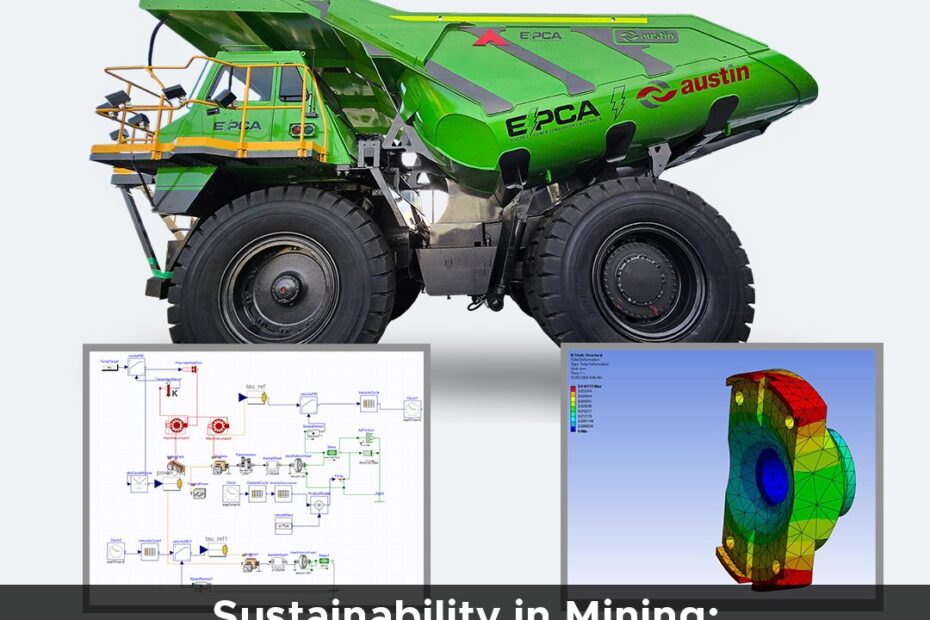
Powering Future Cost Savings and Sustainability in Mining: EPCA’s Retrofitting Journey

    Mining has always demanded ingenuity, but the pressures of the past few years have sharpened that need considerably. For mine operators, the fastest way to capture both benefits isn’t always buying a brand-new fleet. Often, it’s retrofitting the diesel haul trucks they already own. In this guest blog, EPCA walks us through how their simulation-led retrofit approach compresses development timelines, preserves existing asset value, and delivers reliable, zero-emission haulage, even in the face of environmental and geopolitical headwinds.

    Curling ‘Double-Touch’ scandal rocks the rink at Winter Olympics: Simulation with LS-DYNA proves the difference of one deft touch

      One of the most talked about controversies from the Milano Cortina 2026 Winter Olympic games revolved around accusations of teams “double-touching” the curling stone after its initial release. To quantify how even the slightest touch might alter the outcome of a curling match, we conducted two Ansys LS-Dyna simulations: one representing a perfectly clean release and the other including a minimal post-release force.

      Simulation Driven Design with Creo at LEAP Australia

      Simulation Driven Design with Creo

        LEAP’s PTC team recently presented a webinar that explained how adding real-time simulation tools to the beginning of your development workflow gives engineers instant feedback on their design changes, as they work, and provides valuable insights on which design directions to explore next. This article summarises the presentation and provides the highlights of the recording including a live demonstration of Creo’s simulation capabilities.

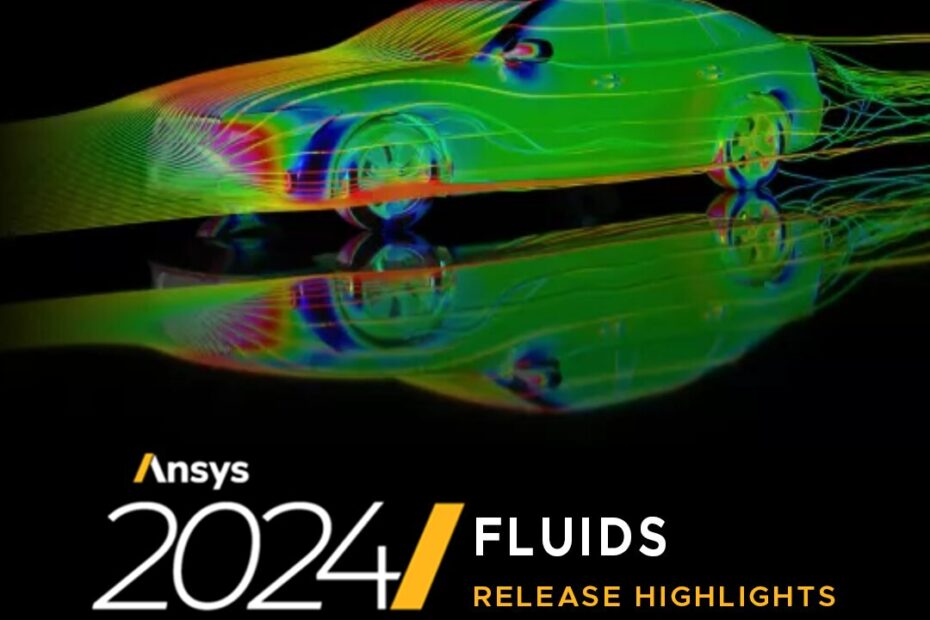
        Ansys 2024 Release Highlights – Fluids

          Recently LEAP ran an Ansys user group meeting in Perth where local Ansys users showcased their work and the LEAP Technical Team presented their highlights of the latest updates in Ansys Structures and Ansys Fluids.

          If you were unable to make it in-person to the event or join the live stream, we’ve got the next best thing for you: a live recording of the Fluids update session presented Dr. Lewis Clark. Lewis is LEAP’s Fluids Technical Manager, and in the following videos he presents the highlights from the Ansys 2024 Fluids R1 and R2 releases.

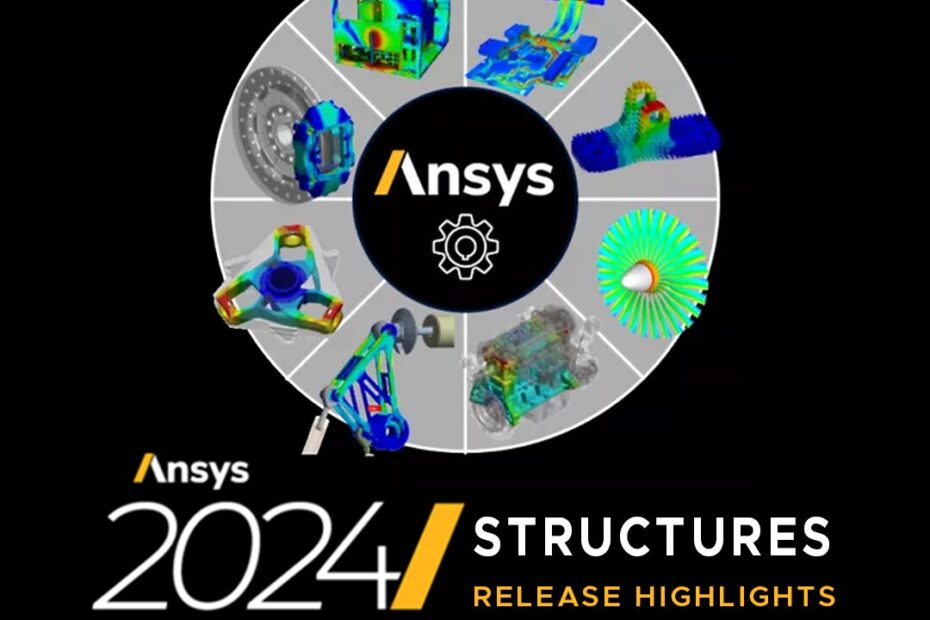
          Ansys 2024 Release Highlights – Structures

            Recently LEAP ran an Ansys user group meeting in Perth where local Ansys users showcased their work and the LEAP Technical Team presented their highlights of the latest updates in Ansys Structures and Ansys Fluids.

            If you were unable to make it in-person to the event or join the live stream, we’ve got the next best thing for you: a live recording of the Structures update session presented by Dr. Luke Mosse. Luke is a Senior Application Engineer at LEAP Australia, and in the following videos he presents the highlights from the Ansys 2024 Structures & Explicit Dynamics R1 and R2 releases.

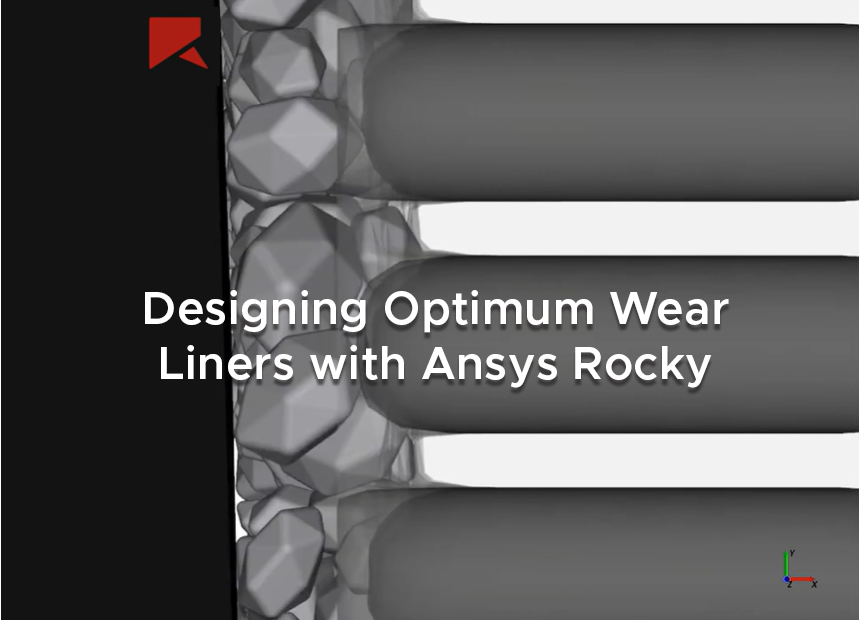
            Guest Blog: Designing optimal wear liners with Ansys Rocky

              This guest blog by Dr Daniel Grasser, Consulting Engineer at TUNRA Bulk Solids, Australia provides detailed insight into his DEM studies into reducing wear in bulk materials handling equipment during his affiliation with the ARC Training Centre in Alloy Innovation for Mining Efficiency (mineAlloy) at Deakin University. Learn how Dr Grasser utilised Ansys Rocky to better understand particle flow to improve and optimise the design of wear liners while reducing the need for experimental testing.

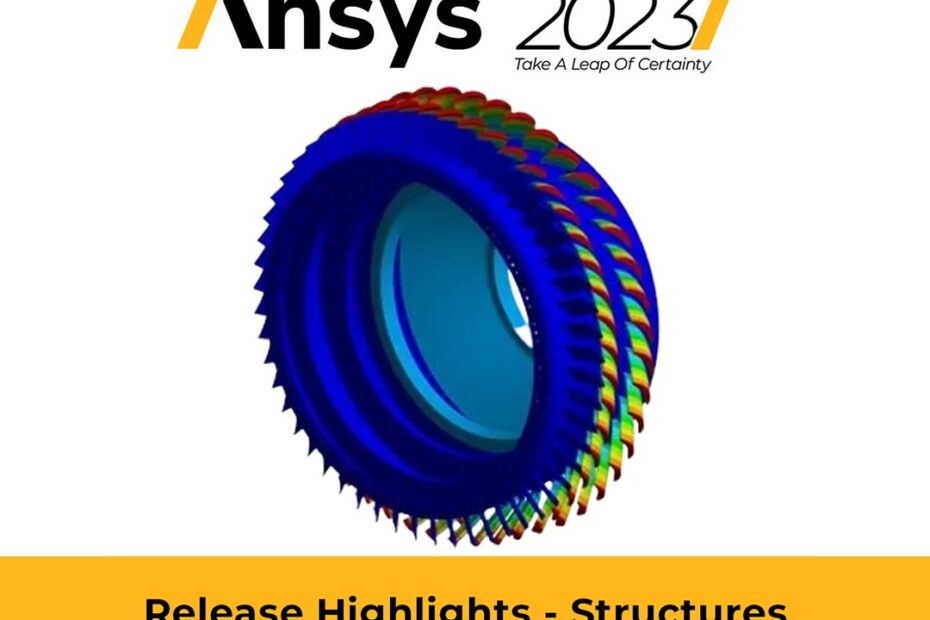
              Ansys 2023 Release Highlights – Structures

                Recording from LEAP’s recent series of Ansys 2023 R1 & R2 update seminars covering the latest updates in Ansys Structures & Explicit Dynamics. Thes videos are from our Melbourne event, presented by Dr. Luke Mosse, Senior Application Engineer at LEAP Australia.

                Mastering Structural Analysis: Integrating External Loads into Ansys Mechanical

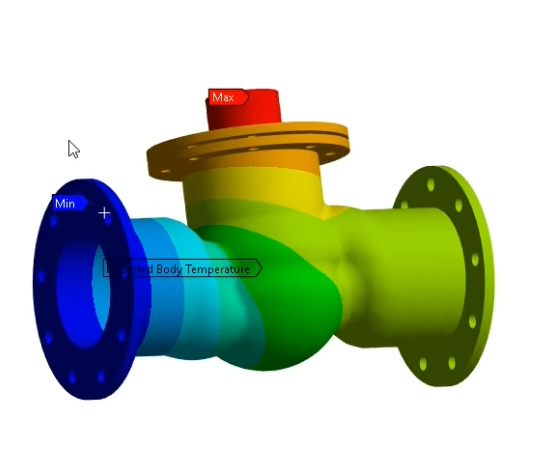
                  Modern engineers often work on the design of increasingly complex systems that will experience a multitude of simultaneous loading factors – such as forces, thermal effects, and pressure. Ansys Workbench offers a range of options to streamline the process of incorporating these external loads into Ansys Mechanical so that Ansys users can accurately predict stress, strain and fatigue life for such complex systems with greater precision.

                  Making Informed Material Selections in Ansys Mechanical

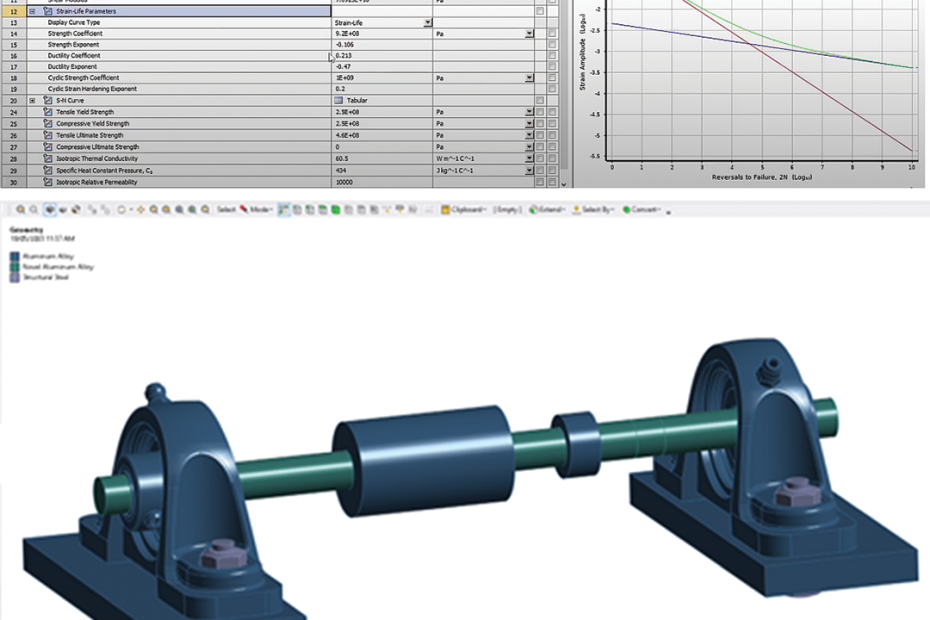
                  Material selection affects the behaviour, performance, and durability of a product. This blog explores material selection options and how to speed up this process in Ansys Mechanical using the comprehensive material database and tools to evaluate and compare the material behaviour.