Skip to content

prediction of aerodynamic flows

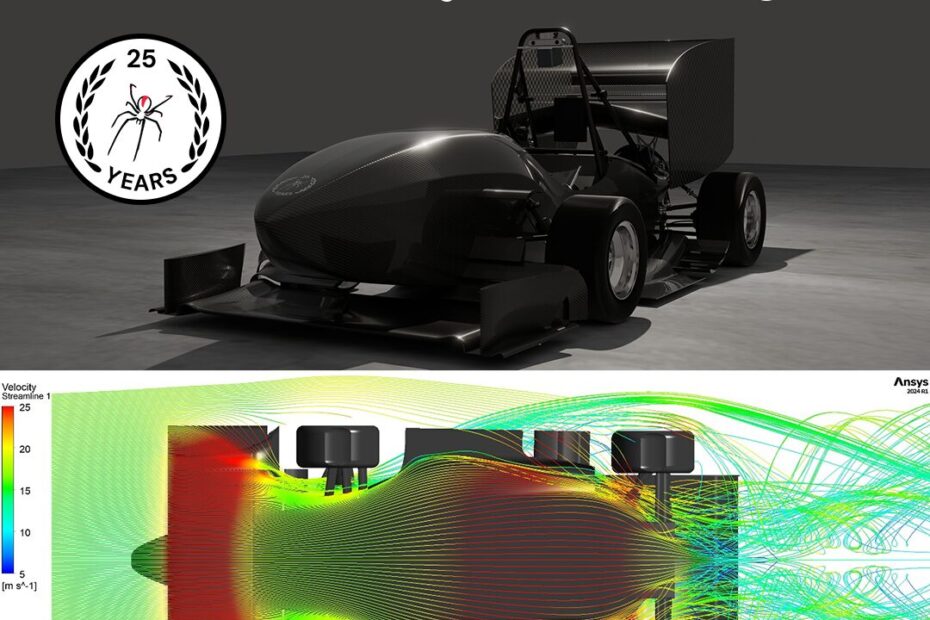
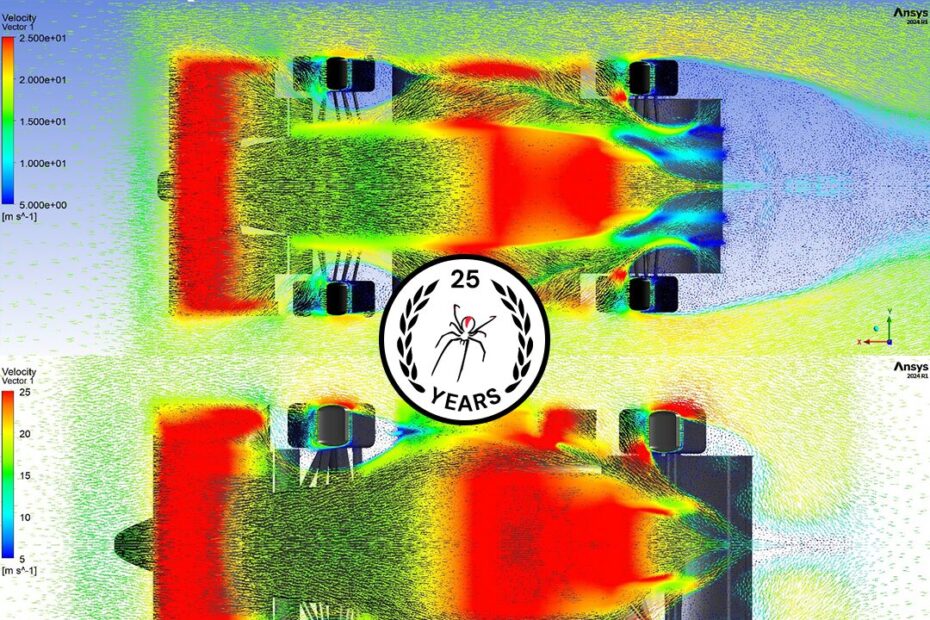
Refinement and Characterisation of RB24 Aerodynamics Package

    In part two of his guest blog series, Julio Martins, former Aerodynamics & Cooling Lead, UNSW Redback Racing explains the growth in understanding gained during the design of RB24 by simulating the aerodynamic package performance in Roll, Pitch, Yaw and Heave as well as analysis of the balance shift with different front and rear wing DRS flap settings.

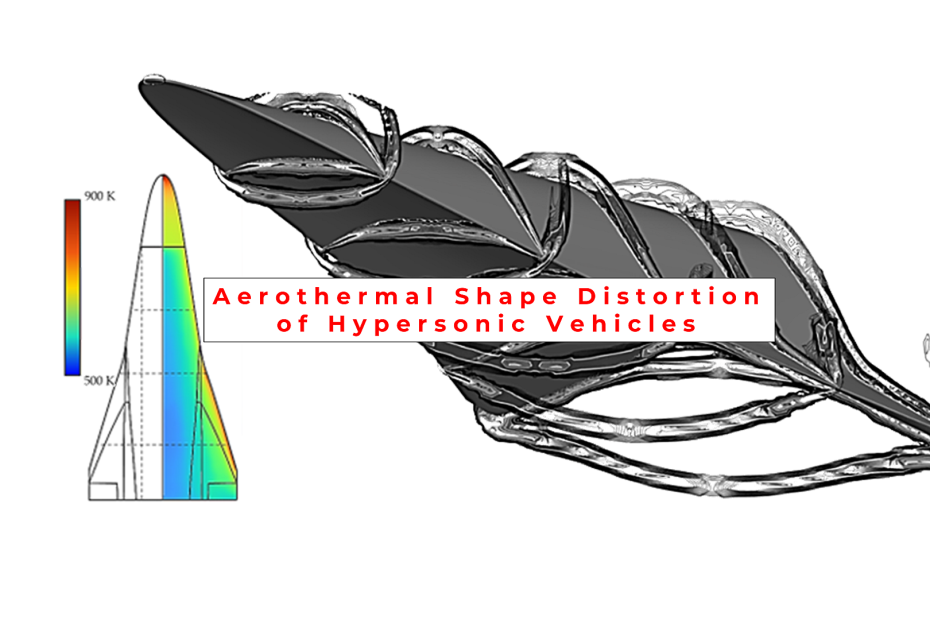
    Simulating Aerothermal Shape Distortion of Hypersonic Vehicles

      How can designers of hypersonic aircraft overcome the ‘heat barrier’ using simulation to better understand aerothermal shape distortion (aka aerothermoelasticity, or fluid-structural-thermal interaction – FTSI)? This guest blog by ADFA explains how multiphysics simulation helps designers of hypersonic vehicles account for aerothermal shape distortion (which can compromise a hypersonic vehicle’s aerodynamic performance) through to the risk of catastrophic material failures, using tools that can simulate both the aerodynamics as well as the thermal and structural response.

      How to Benefit from Decades of Experience in Turbulence Modelling

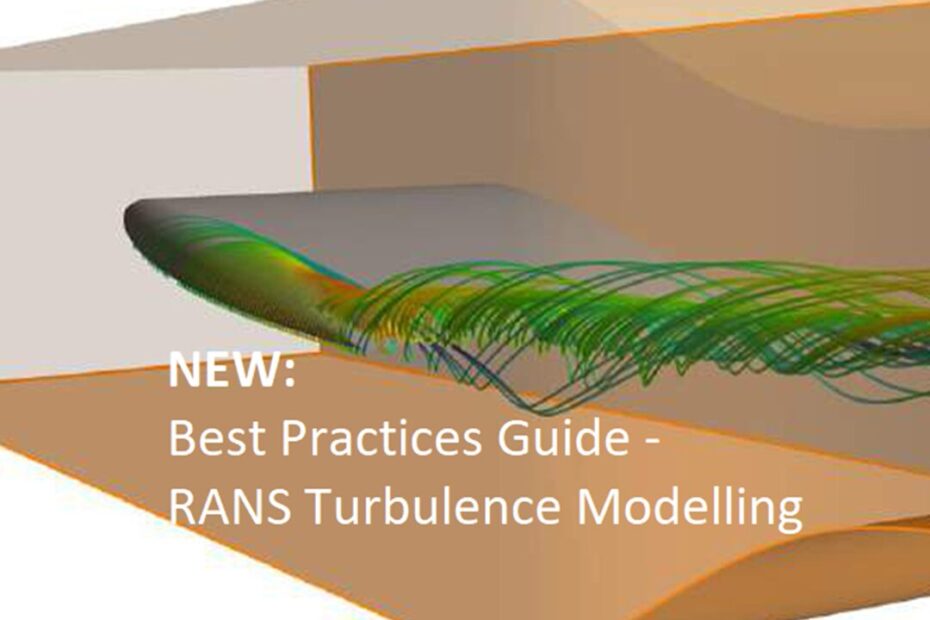
      David Fletcher from LEAP discusses the importance of the 3rd Turbulence Best Practices guide recently released by Florian Menter and his team at Ansys.
      This latest BPG documents the key best practices in RANS turbulence modelling, with comprehensive coverage of all widely-used 1-equation, 2-equation and Reynolds stress models.

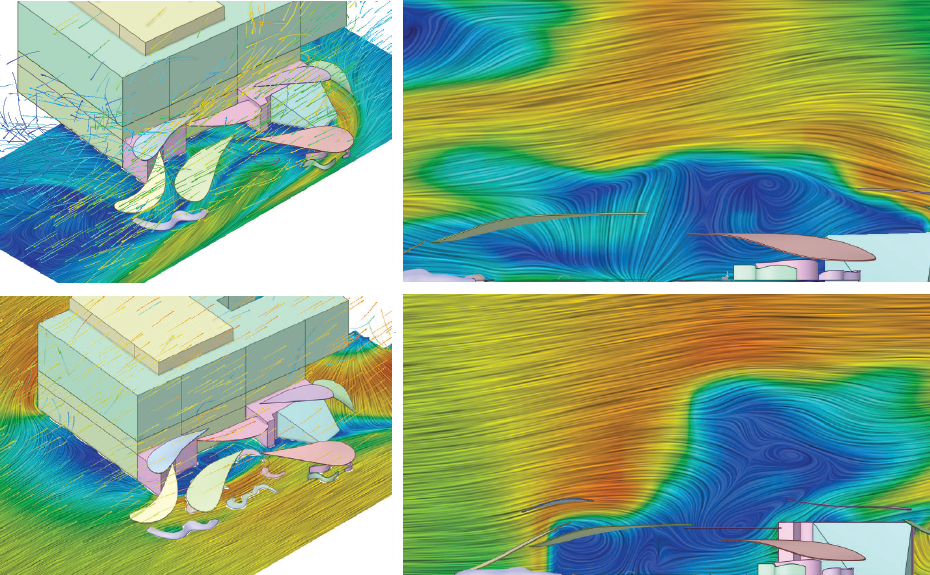
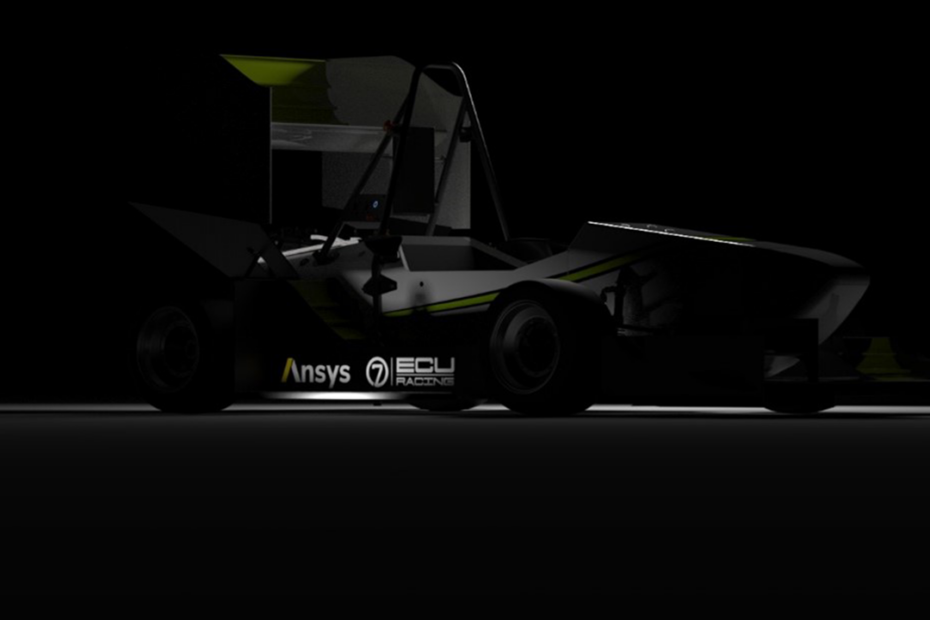
      Guest Blog by ECU-R: Analysing F-SAE Aerodynamic Flow Fields Using CFD

        Guest blog by ECU-Racing on how the team uses CFD simulation to drive aerodynamic design improvements, explaining how CFD simulation results provide help identify problematic aspects such as flow separation, undesirable flow structures, and poor use of flow energy which can then lead to new ideas which can be tested in CFD to improve the overall flow around the car.

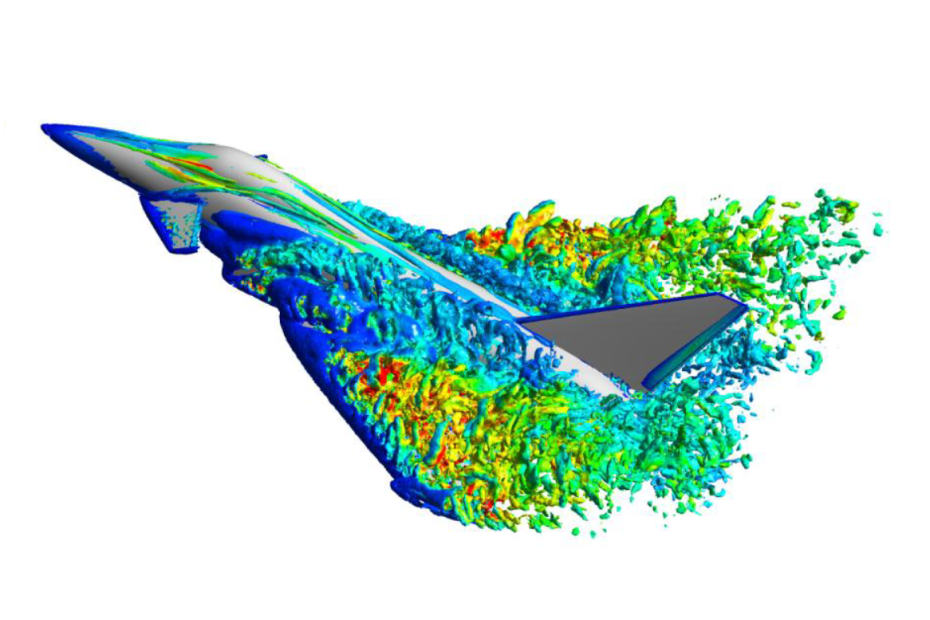
        Helping EO/IR Sensors to accurately detect & track hypersonic vehicles

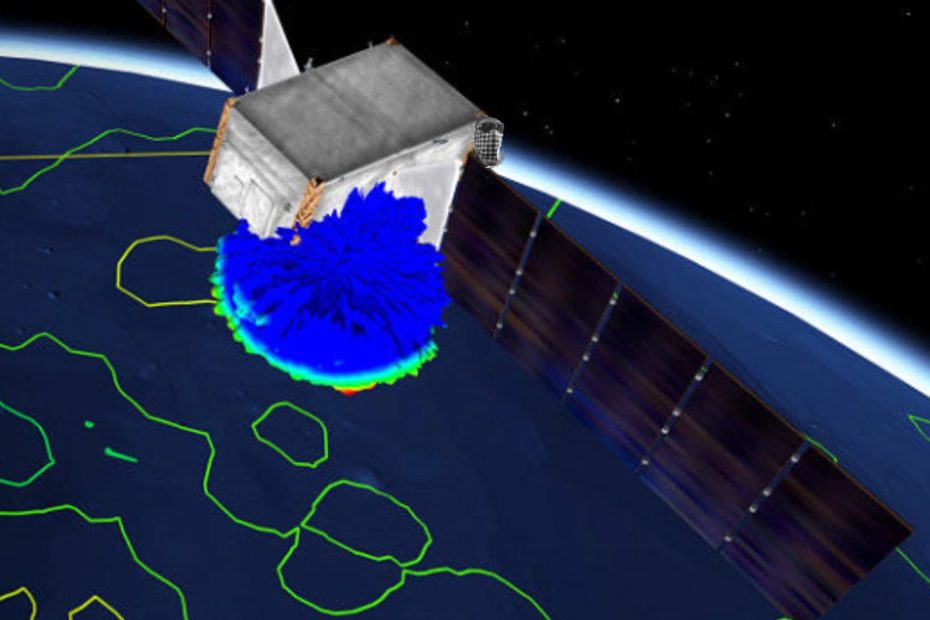
          Learn how recent developments in Ansys provide a new “optical CFD” workflow to help more accurately simulate the complex interactions between the flowfield and electromagnetic fields in the Electro-Optics / Infra-Red (EO/IR) range. This helps engineers to improve their simulations of flow field phenomena around fast-moving vehicles and improve the performance of EOIR sensor signals for tracking hypersonic vehicles.

          LEAP’s Highlights from Ansys 2021 R2 Fluids release

            Prof. David Fletcher guides us through the key new features of interest in Ansys 2021 R2 for CFD, including some important new usability enhancements. This blog contains a series of short summaries with content tailored to particular physics / applications / topics of interest.