Digital engineering solutions for the hydrogen industry.
Simulation plays a crucial role in the hydrogen industry by enabling the modelling and analysis of complex systems involved in hydrogen production, storage, and distribution. Through advanced computational tools, stakeholders can predict the performance of various technologies, optimise processes and identify potential challenges before implementation. This predictive capability not only accelerates the development of efficient hydrogen solutions but also enhances safety and reduces costs, ultimately driving the transition towards a sustainable hydrogen economy.
Hydrogen Production
The design and operation of hydrogen production systems encompass a variety of challenges, including efficiency optimisation, safety considerations and cost effectiveness. Addressing these key design issues is critical for developing efficient, safe, and economically viable hydrogen production technologies.
Simulation can help overcome these challenges by addressing key issues, such as thermal management, gas flow analysis, material selection, durability and more.
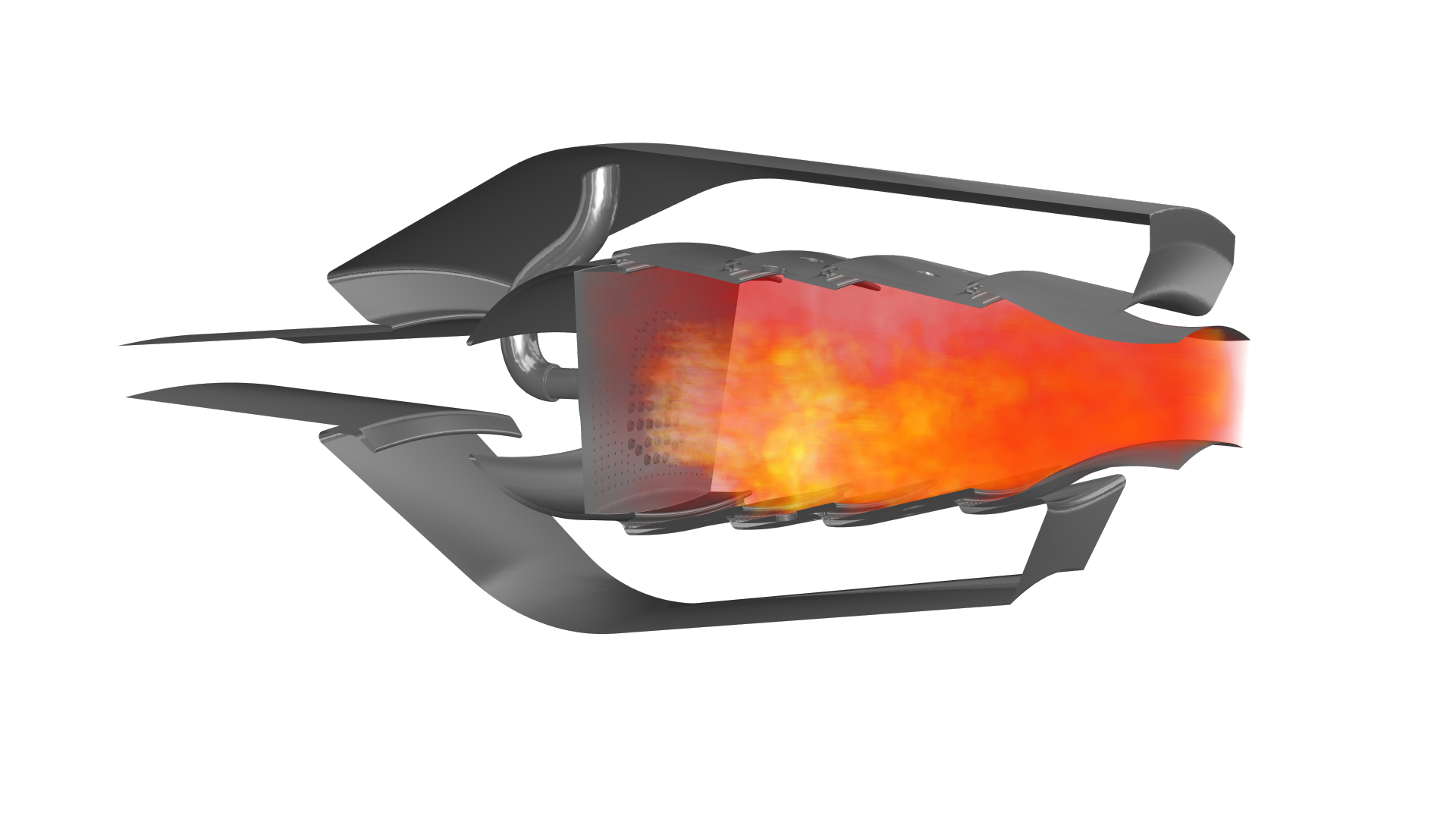
Hydrogen has large potential as a replacement for fossil fuels in the decarbonisation of many industrial processes, however, its physical and chemical properties pose some unique challenges. Designing combustion chambers and burners that can handle the high diffusivity and low density of hydrogen is challenging, requiring modifications to traditional combustion systems to achieve stable and complete combustion. Managing the distinct properties of hydrogen, including its wide flammability range, low ignition energy, and high flame speed is a constant challenge. Accurate simulation is key to unlocking the potential of hydrogen combustion.
Achieving high energy density, ensuring safety, and maintaining cost-effectiveness is paramount when designing hydrogen storage and transport systems. Hydrogen atoms are very small, which can lead to their permeation through metallic containers, changing the material property, a process known as hydrogen embrittlement which can significantly increase the likelihood of fracture and failure.
The requirements for robust containment systems, leak detection, and venting strategies pose unique challenges for designers, demanding a level of safety that leaves very little margin for error.
Additionally, the storage system must be designed for easy integration into existing infrastructure and applications, such as fuel cell vehicles or stationary power systems, while minimising the impact on performance and usability.
By employing simulation across the design and life cycle of hydrogen storage and transport systems, engineers can gain increased confidence in their designs and better understand potential problems without the need for excessive physical testing.
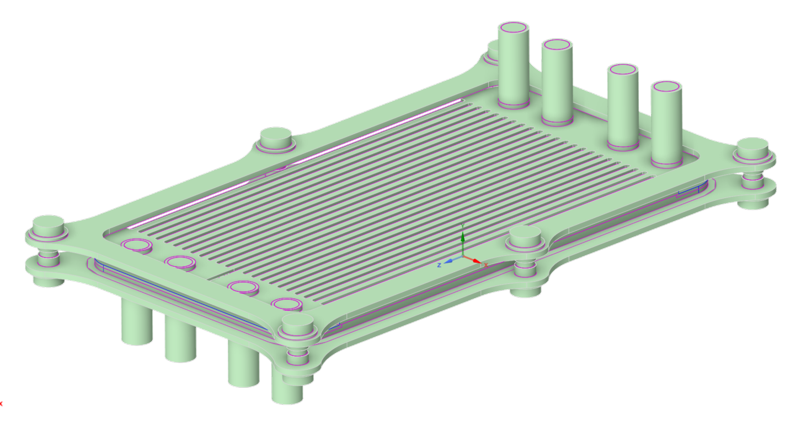
Ansys simulation can help predict fuel cell performance and thermal behaviour and includes built-in fuel cell modules to model high temperature SOFC and low temperature PEMFC, including inputs and physics for cooling channels, flow channels, current collectors, porous electrodes, microporous layer, catalyst and membrane. Full-stack models can be solved quickly using Ansys’ highly scalable CFD solution.
Simulation helps engineers understand the sensitivity of fuel cell parameters, operating conditions and channel cooling on performance and thermal management, and the predicted condensation and water content, and polarisation curve for fuel cells.
Explore related products
Ansys Fluent
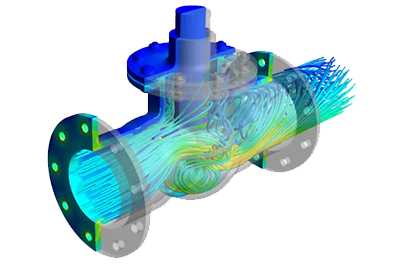
Ansys Fluent is the industry-leading fluid simulation software known for its advanced physics modelling capabilities and industry leading accuracy.
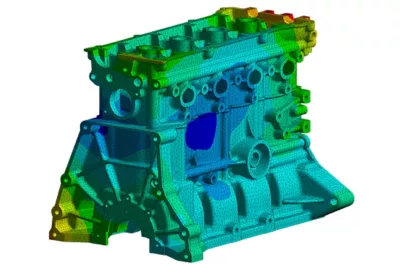
Structural analysis with Ansys Mechanical provides robust general purpose stress, thermal, modal and fatigue simulations for fast and accurate solutions.
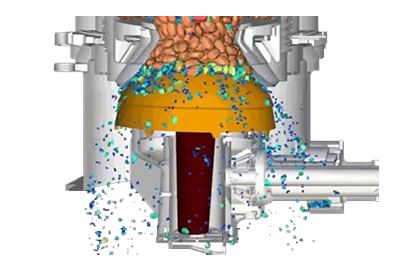
Rocky DEM is the industry-leading discrete element method (DEM) software used for particle dynamics, simulating the motion of granular and discontinuous material.
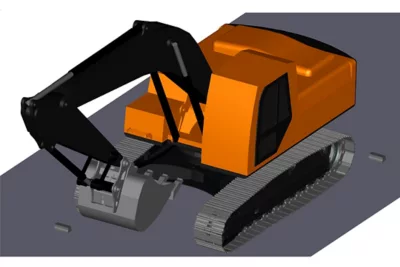
This multibody dynamic solver for analysis of rigid and flexible bodies is capable of accurate evaluation of physical events through the analysis of a whole system.
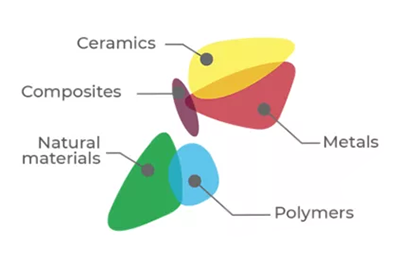
Ansys Granta is a scalable solution to create, control and store your company’s valuable material data, enabling you to capitalise on your organisation’s Material Intelligence.
*Our commitment to you is that your call will be acknowledged as soon as possible and no later than 30 minutes after receipt during normal office hours.
Contact LEAP Australia for Technical Support for PTC Software
During Standard Operation Hours (08:30-17:00 AEST/AEDT, Mon-Fri)
*Our commitment to you is that your call will be acknowledged as soon as possible and no later than 30 minutes after receipt during normal office hours.