
Skip to content

Discrete Element Method – LEAP Australia

LEAP Australia is the leading engineering software solutions provider in Australia and New Zealand, assisting thousands of companies with their design and engineering problems. The aim of this site is to share the extensive experience and knowledge we have gained over the years in working with Discrete Element Method (DEM) and particle simulations. If you are also interested in Computational Fluid Dynamics we encourage you to visit our CFD blog, or for Finite Element Analaysis, visit our FEA blog.
Digital Transformation solutions at LEAP Australia - Product Design Blog

Choosing hardware for LS-DYNA: what actually matters

Buying a new workstation for Ansys LS-DYNA is not the same as buying one for general FEA or CFD. The LS-DYNA solver puts unusual demands on a machine, and the parts that matter most depend on the type of analysis you run. This means that a high price tag or large core count on a spec sheet won’t necessarily guarantee you faster results – so you need to carefully consider where it is worth spending your hard-earned money. This guide covers the three things that LEAP’s Explicit Dynamics team advises you to look at first.
Read More »

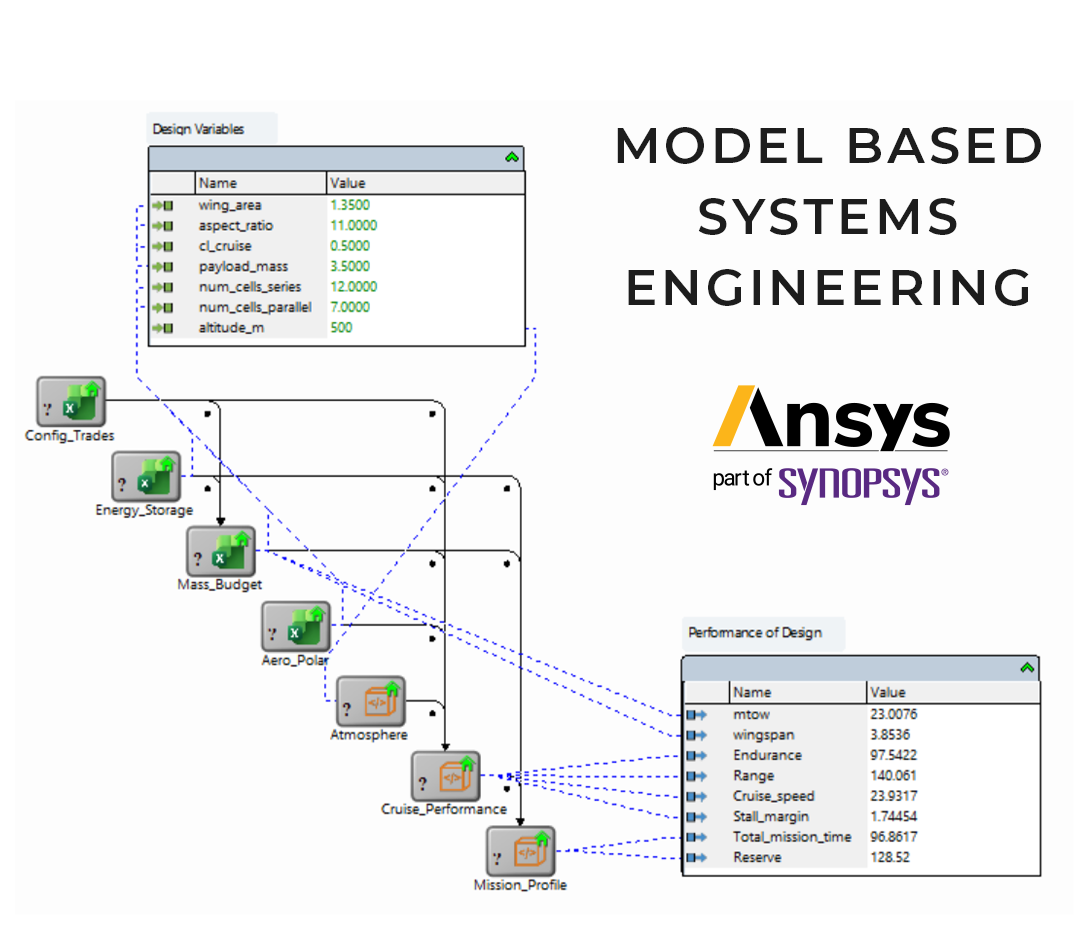
MBSE Workflows with Ansys

Engineers spend a surprising amount of time keeping information consistent. When a requirement changes, then someone has to work out which calculations, drawings and test plans are affected. It is engineering work, but it’s manual, easy to get wrong, and hard to trace afterwards. Model Based Systems Engineering, or MBSE, is a way of avoiding that. Rather than describing a product across a set of separate documents, MBSE captures it in one connected model.

Read More »

Innovation through Design and Advanced Manufacturing in the development of Multotec’s ACE & ERX Hammerless System – A Queensland Case Study

In this guest blog, Matthew Ferguson, Business Development Manager – Quarries and Aggregates Australasia, describes Multotec’s use of digital engineering practices in the design of precision-engineered components that are critical to the ACE & ERX platform’s hammerless mechanism, delivering lower lifecycle costs through reductions in change-out times and reduced wear on critical parts.

Read More »

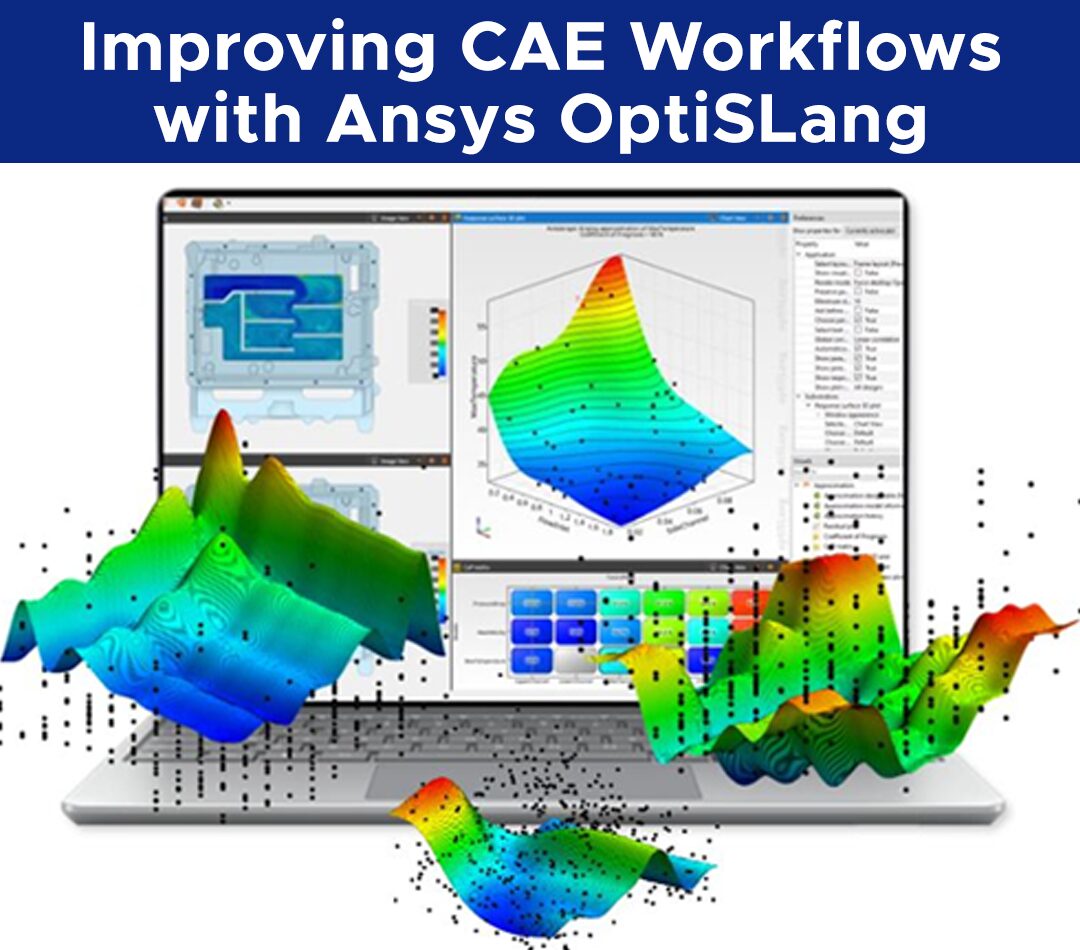
Improving CAE Workflows with Ansys OptiSLang

Product development cycles face competing pressures – accelerate development and ensure reliability, all while balancing cost control and flexibility to innovate. Since engineers are under constant pressure to deliver faster, safer, and more cost-effective designs, we need a way to evaluate trade-offs ‑early, before design freedom is lost. Ansys OptiSLang is built precisely for this purpose, by changing the paradigm from “simulate to check” to “simulate to discover”.

Read More »

How to approach hardware selection in 2025 for Ansys CFD solvers (all budgets considered – from laptops to clusters!)

Working at the bleeding-edge of engineering simulations, LEAP’s engineers are frequently asked for advice from our clients across many different industries, who are looking to successfully navigate the balance between cost and optimal solver performance when purchasing new hardware. The following advice is primarily based on LEAP’s accumulated recent experience with a particular focus on CFD workloads (Ansys Fluent), as FVM codes are capable of scaling incredibly well if the system is well designed.

Read More »

Expert Insights: Materials Calibration for DEM modelling of Bulk Solids

This post summarises our recent live panel discussion on materials calibration for discrete element method (DEM) modelling of bulk solids where we had the privilege of hosting industry leaders Daniel Grasser, Consulting Engineer at Tundra Bulk Solids and Richard Elliott, Technical Director – Bulk Handling at Rockfield Technologies. They were joined by DEM specialists from LEAP: Angelo Christakakis, Application Engineer & Technical Lead – DEM as well as Josh Hately, Engineering Solutions Manager, who moderated the discussion.

Read More »

An Engineer’s Guide to Materials Calibration when Modelling Bulk Solids

Predicting the bulk solid’s behaviour and extracting information which cannot easily be measured experimentally are key benefits of Discrete Element Method (DEM) simulations, such as Ansys Rocky DEM. However, the quality of the prediction depends on the calibration of the simulation. This guest blog by Dr Daniel Grasser, Consulting Engineer at TUNRA Bulk Solids, Newcastle (Australia) introduces guidelines for the Discrete Element Method calibration in the context of bulk solids handling and mining/minerals.

Read More »

Fluid-structure interaction simulation of wave overtopping flow and vegetation for coastal hazard mitigation

Climate change is increasing the exposure of communities to coastal hazards and traditional solutions, such as seawalls or revetments, can have a high financial, social and environmental cost. As a result, nature-based solutions are encouraged in coastal policy. This guest article by University of Auckland’s Joshua Bagg, Mark Battley, Colin Whittaker and Tom Shand describes their unique research aimed to investigate the interaction between salt marsh grass and wave overtopping flow using Ansys Fluent and Ansys Rocky to inform the design of nature-based solutions.

Read More »

Applying Tangential Pressure in Ansys Mechanical – Transfer Chutes

Transfer chutes are very commonly used in bulk material processing and handling scenarios, particularly for bulk granular materials. When analysing the structural performance of a transfer chute, it’s important to consider how the flow of material will impact your design, and to then quickly evaluate the structural performance of the design under load. Whilst it’s straightforward to account for the normal component of pressure in a design, the tangential pressure is a trickier load to setup. In this blog, we’ll investigate how you can setup pressure loads to capture tangential pressures for a variety of transfer chute geometries.

Read More »

Ansys Shared Web Licensing

The Ansys Shared Web License allows users to work from anywhere, on any device with an internet connection. This is a clear difference from Flexnet License which requires both the user and license server device to be within the same network. This article explains the benefits and provides details on how you can get started with of Ansys Shared Web Licensing today.

Read More »