Skip to content

aerodynamics

Refinement and Characterisation of RB24 Aerodynamics Package

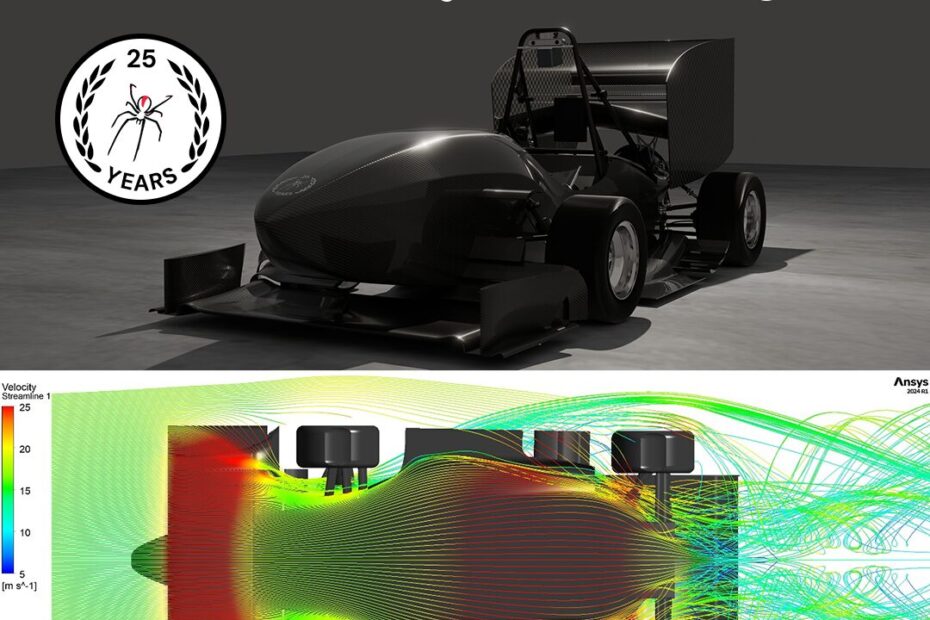
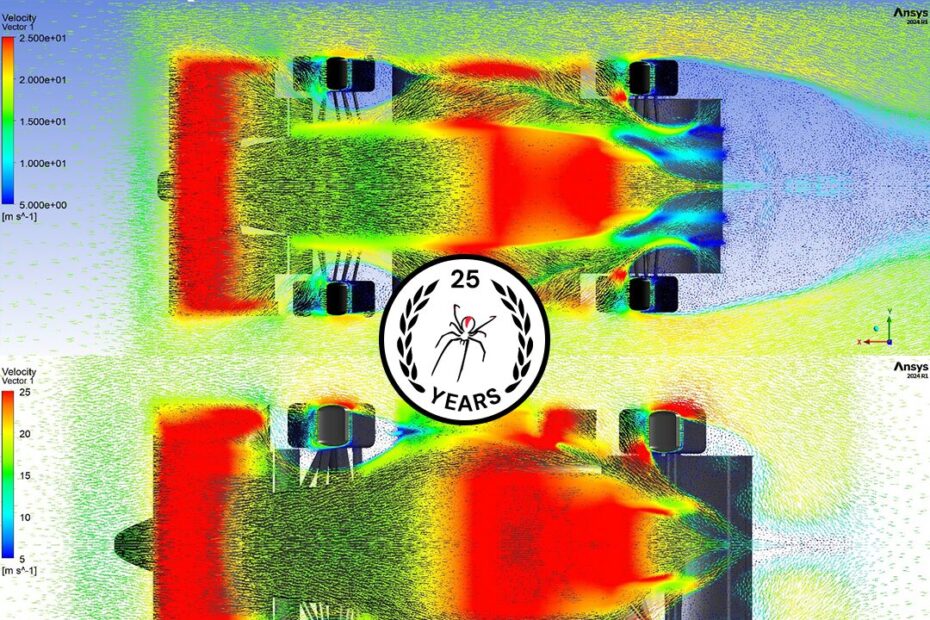
    In part two of his guest blog series, Julio Martins, former Aerodynamics & Cooling Lead, UNSW Redback Racing explains the growth in understanding gained during the design of RB24 by simulating the aerodynamic package performance in Roll, Pitch, Yaw and Heave as well as analysis of the balance shift with different front and rear wing DRS flap settings.

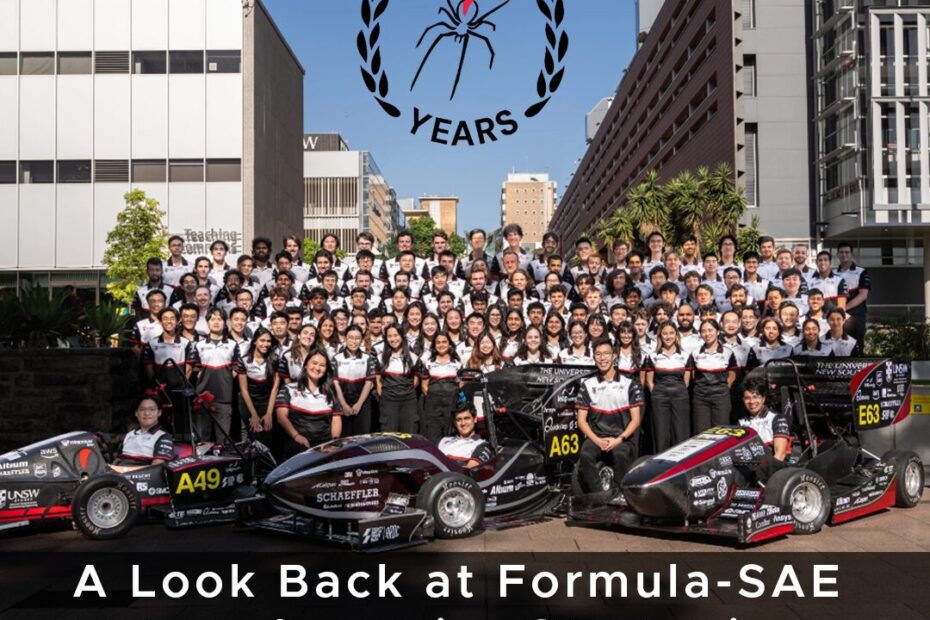
    25th Anniversary of UNSW Redback Racing – A look back at Formula-SAE Aerodynamics Strategies

      Founded in 2000, The University of New South Wales (UNSW) Formula SAE Team, UNSW Redback Racing has continued year on year to design, build and race in the Formula SAE Australasia competition. With each car, the team strives for improvement and innovation, building on previous designs and advancing their knowledge into the future. An important part of this process is the use of Ansys Simulation for their Aerodynamics package and in this article, the team outlines their aerodynamics simulation strategy, explaining how they got to their current design, and their plans for the future.

      Simulating Aerothermal Shape Distortion of Hypersonic Vehicles

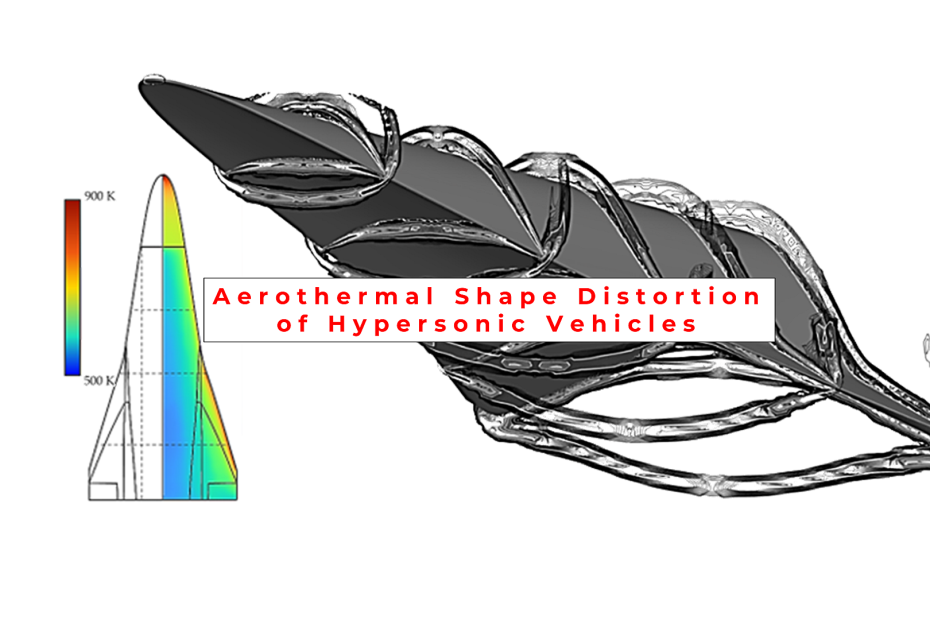
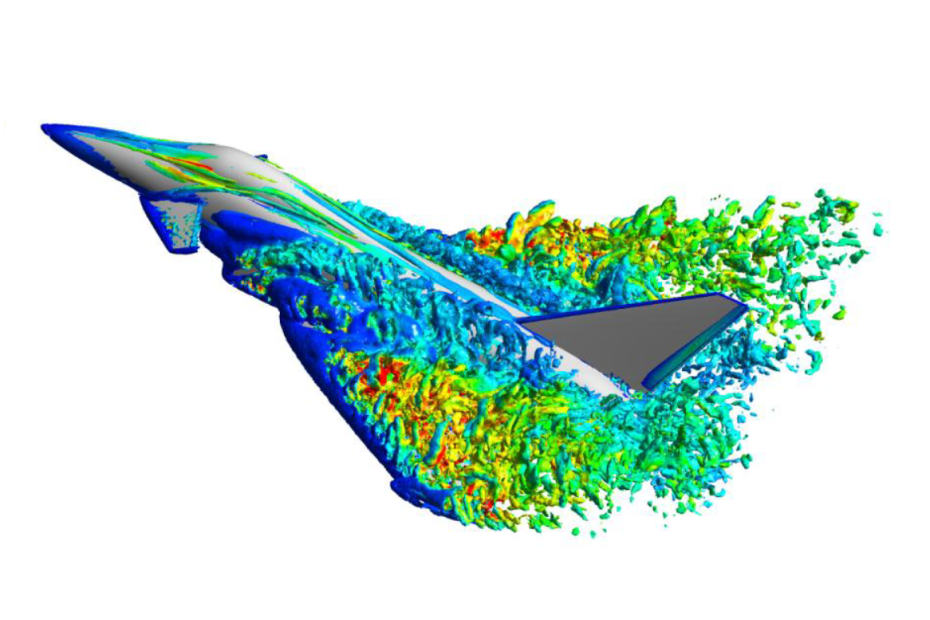
        How can designers of hypersonic aircraft overcome the ‘heat barrier’ using simulation to better understand aerothermal shape distortion (aka aerothermoelasticity, or fluid-structural-thermal interaction – FTSI)? This guest blog by ADFA explains how multiphysics simulation helps designers of hypersonic vehicles account for aerothermal shape distortion (which can compromise a hypersonic vehicle’s aerodynamic performance) through to the risk of catastrophic material failures, using tools that can simulate both the aerodynamics as well as the thermal and structural response.

        Guest Blog by ANU Rocketry: Democratisation of Space starts with university student teams

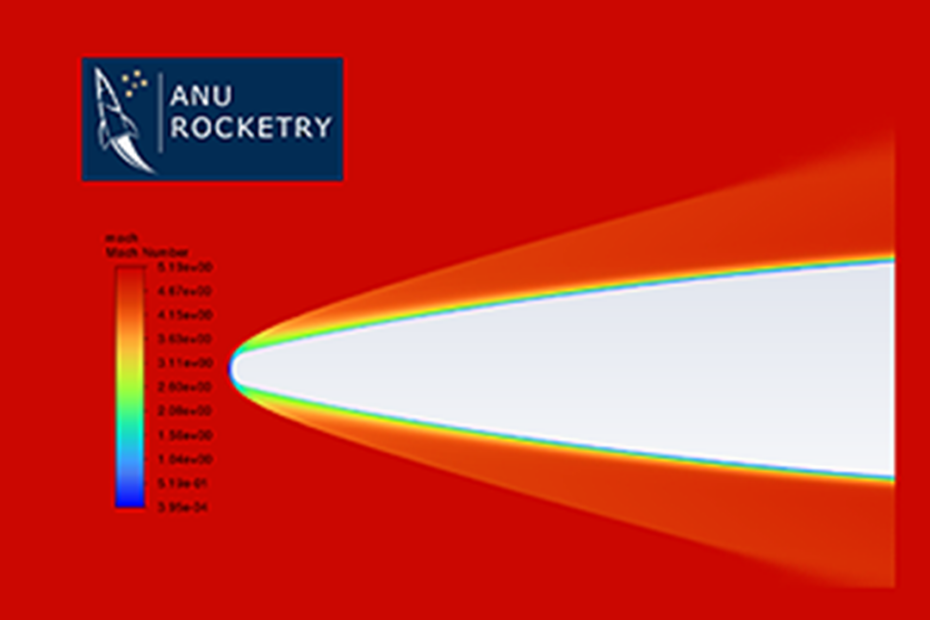
          Founded in 2018 to participate in the Australian Universities Rocket Competition (AURC), students from the Australian National University’s (ANU) Rocketry team are striving to develop a rocket capable of passing the boundary of outer space and being safely recovered by parachute upon re-entry. This lofty goal has led the team to move away from commercially available solid-fuel propelled rockets to develop their own in-house designed bipropellant liquid-fuel engine, with the help of Ansys aerothermal analysis to predict the heat flux at the space rocket’s leading edges during its hypersonic ascent phase.

          Congratulations Team Hydron – 2022 F1 in Schools World Champions!

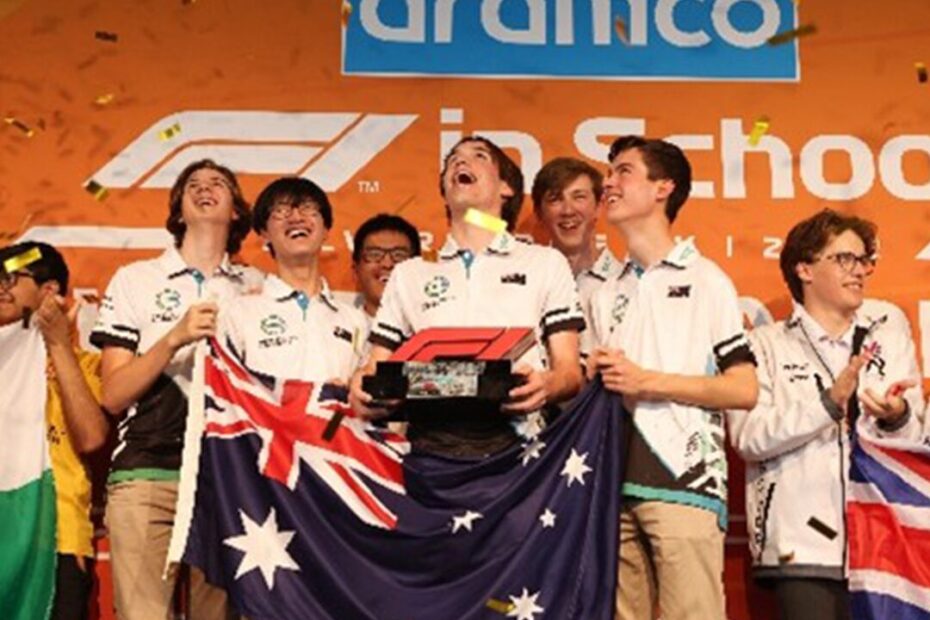
            Guest blog by Team Hydron – read how Australia’s leading F1 in Schools team used Ansys and KeyShot software suites to elevate their engineering & design process and develop a vehicle that would win the Best Engineered and Fastest Car awards at the 2022 World Finals.

            Ansys 2022 R1 Fluids Update

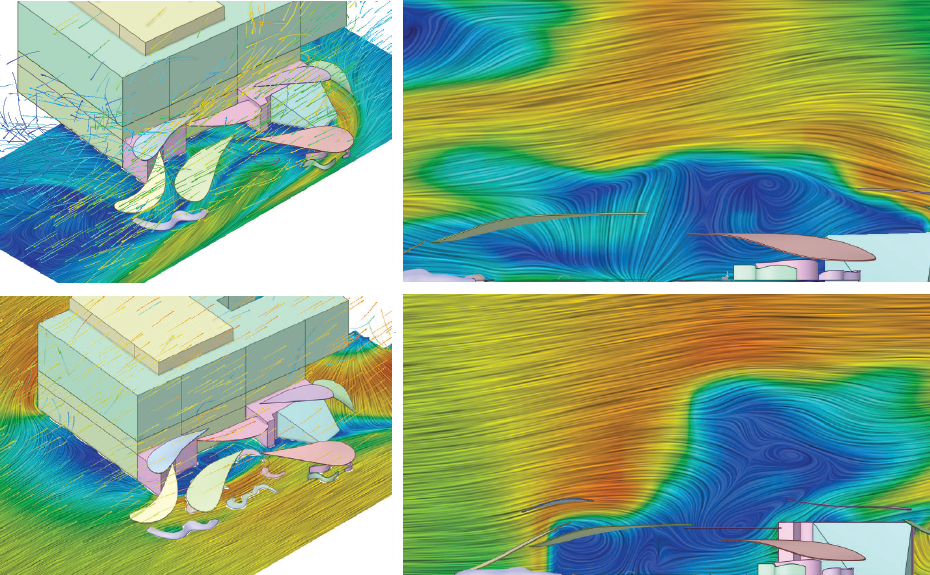
              Ansys 2022 R1 is now available – watch our recent update session with Prof. David Fletcher who discussed the new features of greatest interest to our customer base, including improvements in performance, usability, speed and model physics.