Skip to content

ANSYS

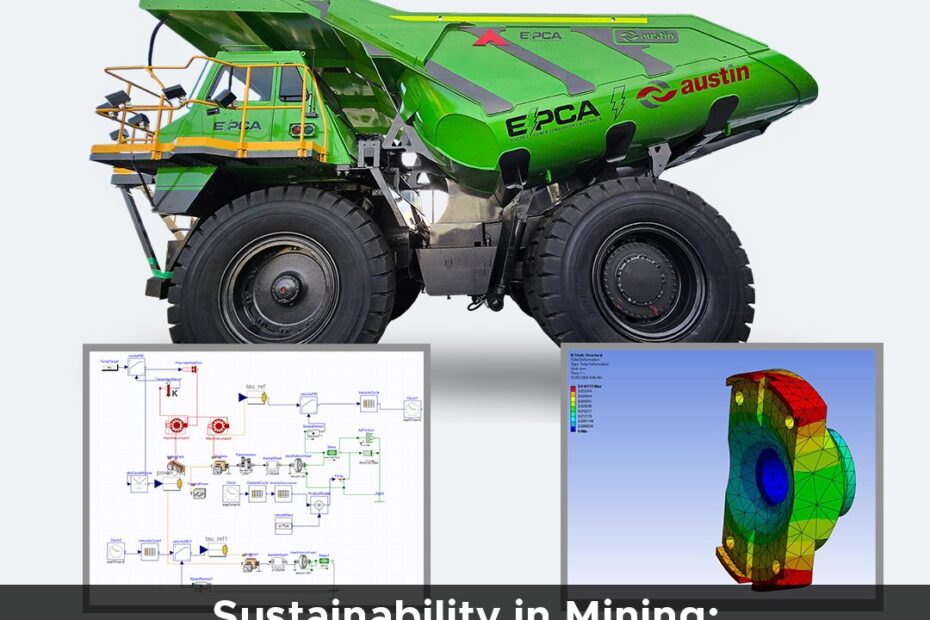
Powering Future Cost Savings and Sustainability in Mining: EPCA’s Retrofitting Journey

    Mining has always demanded ingenuity, but the pressures of the past few years have sharpened that need considerably. For mine operators, the fastest way to capture both benefits isn’t always buying a brand-new fleet. Often, it’s retrofitting the diesel haul trucks they already own. In this guest blog, EPCA walks us through how their simulation-led retrofit approach compresses development timelines, preserves existing asset value, and delivers reliable, zero-emission haulage, even in the face of environmental and geopolitical headwinds.

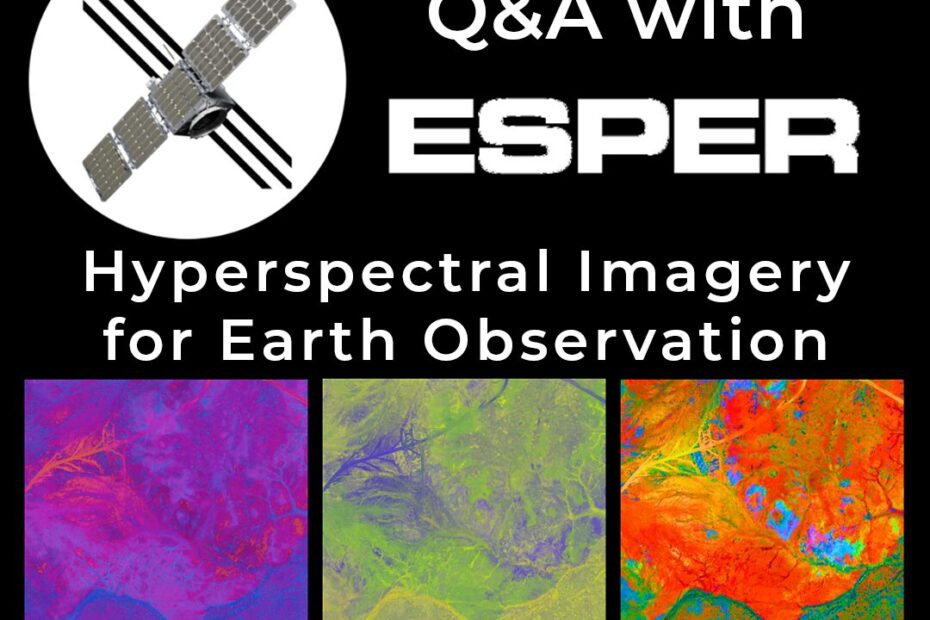
    Q&A with Esper Satellites: Hyperspectral Imagery for Earth Observation

      Esper Satellite Imagery develops hyperspectral imaging sensors for low Earth orbit, delivering affordable, wide-spectrum data for agriculture, mining, and environmental monitoring. Their mission is to deploy 18+ sensors by 2028, providing global, high-frequency insights. LEAP sat down with Shoaib Iqbal, Co-founder and CEO of Esper Satellite Imagery to learn how Ansys simulation tools are helping Esper to achieve their goals.

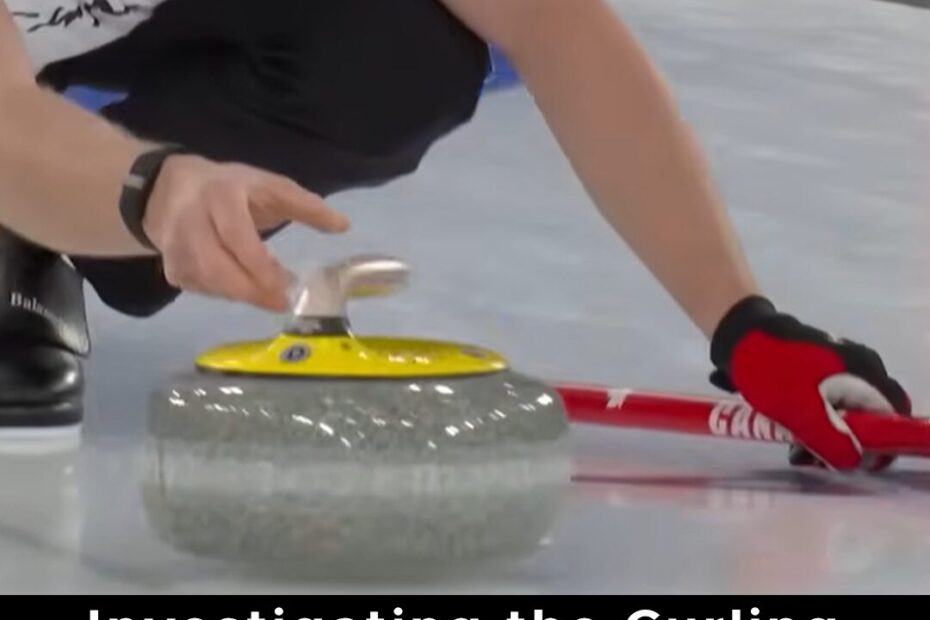
      Curling ‘Double-Touch’ scandal rocks the rink at Winter Olympics: Simulation with LS-DYNA proves the difference of one deft touch

        One of the most talked about controversies from the Milano Cortina 2026 Winter Olympic games revolved around accusations of teams “double-touching” the curling stone after its initial release. To quantify how even the slightest touch might alter the outcome of a curling match, we conducted two Ansys LS-Dyna simulations: one representing a perfectly clean release and the other including a minimal post-release force.

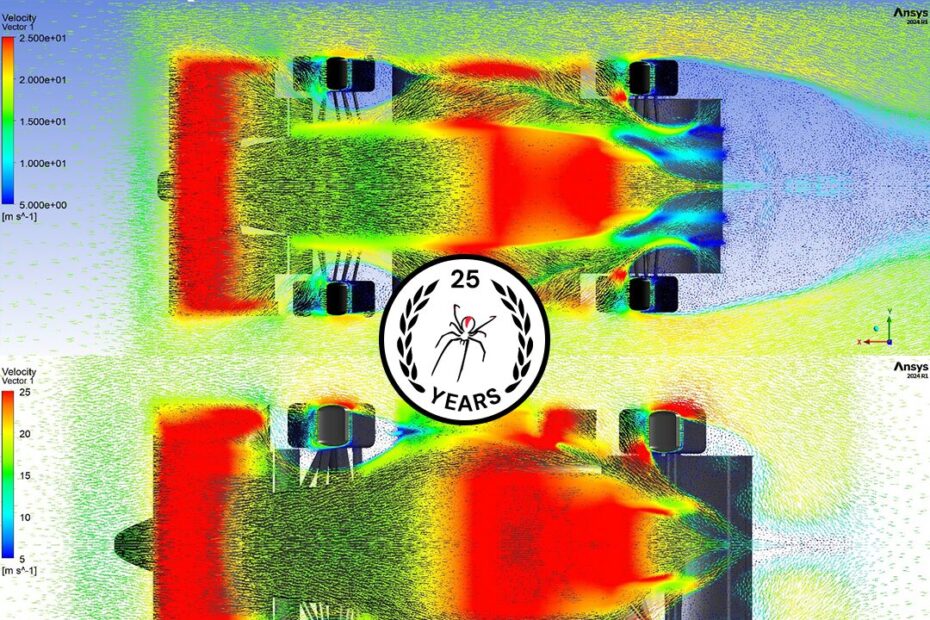
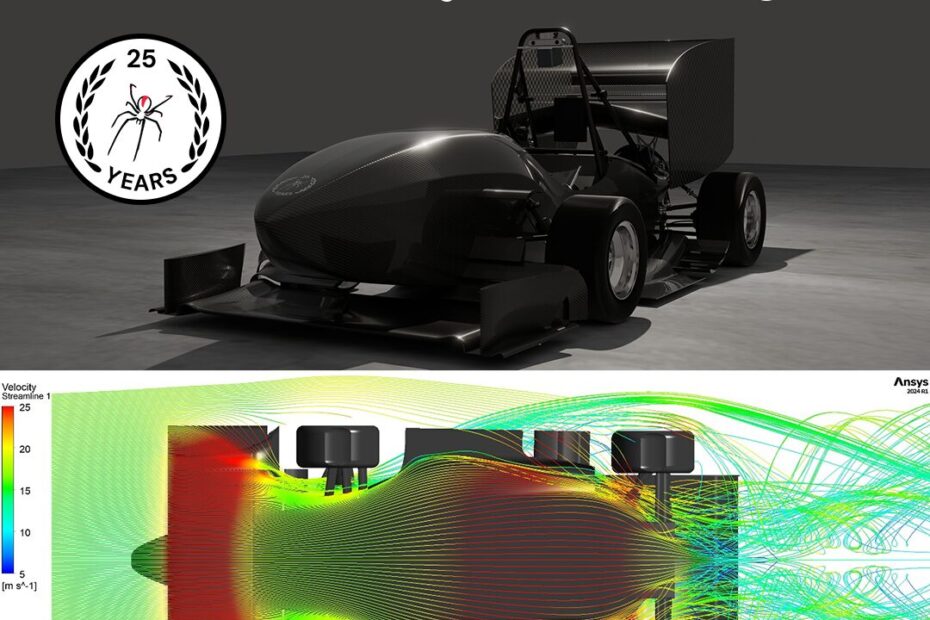
        Refinement and Characterisation of RB24 Aerodynamics Package

          In part two of his guest blog series, Julio Martins, former Aerodynamics & Cooling Lead, UNSW Redback Racing explains the growth in understanding gained during the design of RB24 by simulating the aerodynamic package performance in Roll, Pitch, Yaw and Heave as well as analysis of the balance shift with different front and rear wing DRS flap settings.

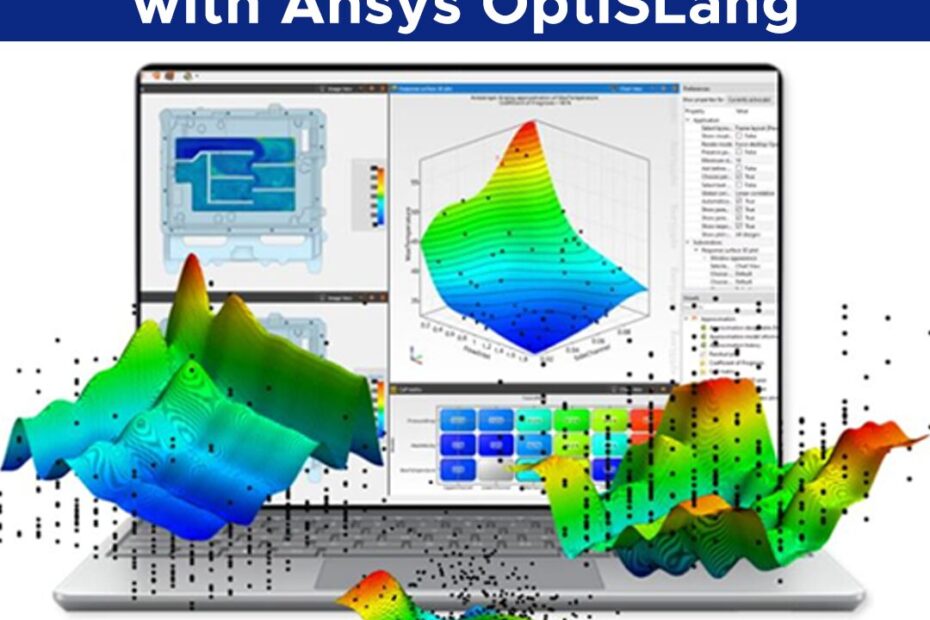
          Improving CAE Workflows with Ansys OptiSLang

            Product development cycles face competing pressures – accelerate development and ensure reliability, all while balancing cost control and flexibility to innovate. Since engineers are under constant pressure to deliver faster, safer, and more cost-effective designs, we need a way to evaluate trade-offs ‑early, before design freedom is lost. Ansys OptiSLang is built precisely for this purpose, by changing the paradigm from “simulate to check” to “simulate to discover”.

            How to approach hardware selection in 2025 for Ansys CFD solvers (all budgets considered – from laptops to clusters!)

              Working at the bleeding-edge of engineering simulations, LEAP’s engineers are frequently asked for advice from our clients across many different industries, who are looking to successfully navigate the balance between cost and optimal solver performance when purchasing new hardware. The following advice is primarily based on LEAP’s accumulated recent experience with a particular focus on CFD workloads (Ansys Fluent), as FVM codes are capable of scaling incredibly well if the system is well designed.

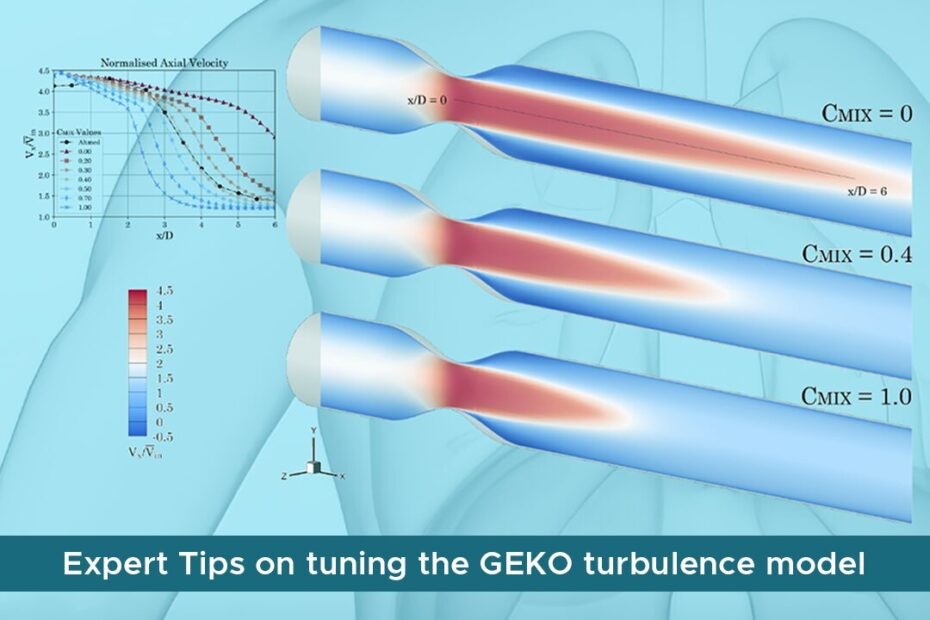
              Expert Tips on tuning the GEKO turbulence model

                This article answers the question, “What is special about the GEKO model compared with all other two equation RANS models?” The result of the decades of experience that Dr. Florian Menter has acquired through his vast experience of turbulence modelling at NASA and Ansys, the GEKO model is very much the culmination of a life’s work on improving turbulence models to make them what he calls “industrial strength”. Read on to learn more.

                NAFEMS Discovery Benchmark Series – Part 1: Introduction

                  In 1986, NAFEMS first published a set of benchmarks for FEA codes with the aim to develop a set of standard tests that would more critically allow developers and users to interrogate the performance of FEA software. In this NAFEMS Discovery benchmark series we put Ansys Discovery to the test against challenging benchmarks to see just how well this tool can improve your design workflow.

                  Ansys Shared Web Licensing

                    The Ansys Shared Web License allows users to work from anywhere, on any device with an internet connection. This is a clear difference from Flexnet License which requires both the user and license server device to be within the same network. This article explains the benefits and provides details on how you can get started with of Ansys Shared Web Licensing today.