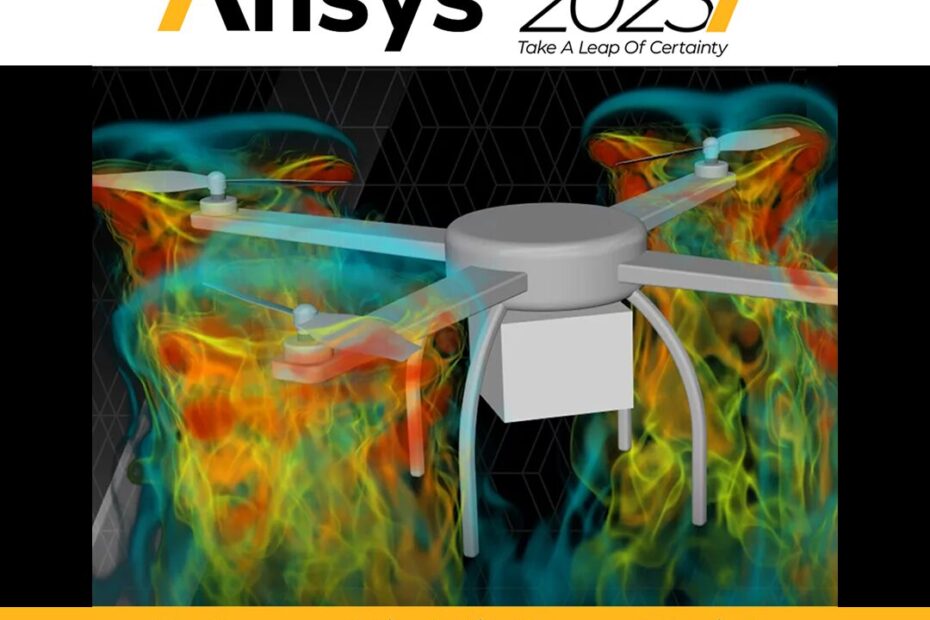
Ansys 2023 Release Highlights – Fluids
Recording from LEAP’s recent series of Ansys 2023 R1 & R2 update seminars covering the latest updates in Ansys Fluids. Thes videos are from our… Read More »Ansys 2023 Release Highlights – Fluids

Recording from LEAP’s recent series of Ansys 2023 R1 & R2 update seminars covering the latest updates in Ansys Fluids. Thes videos are from our… Read More »Ansys 2023 Release Highlights – Fluids
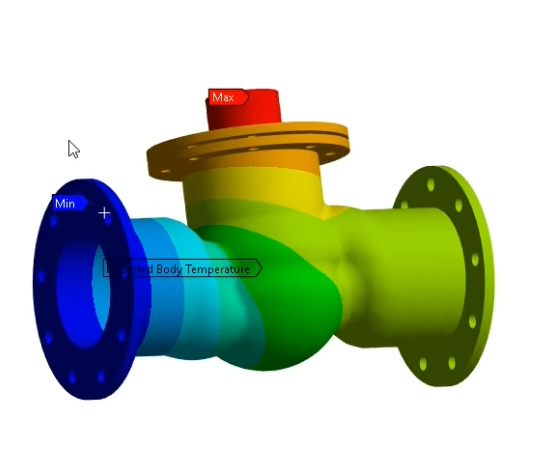
Modern engineers often work on the design of increasingly complex systems that will experience a multitude of simultaneous loading factors – such as forces, thermal… Read More »Mastering Structural Analysis: Integrating External Loads into Ansys Mechanical
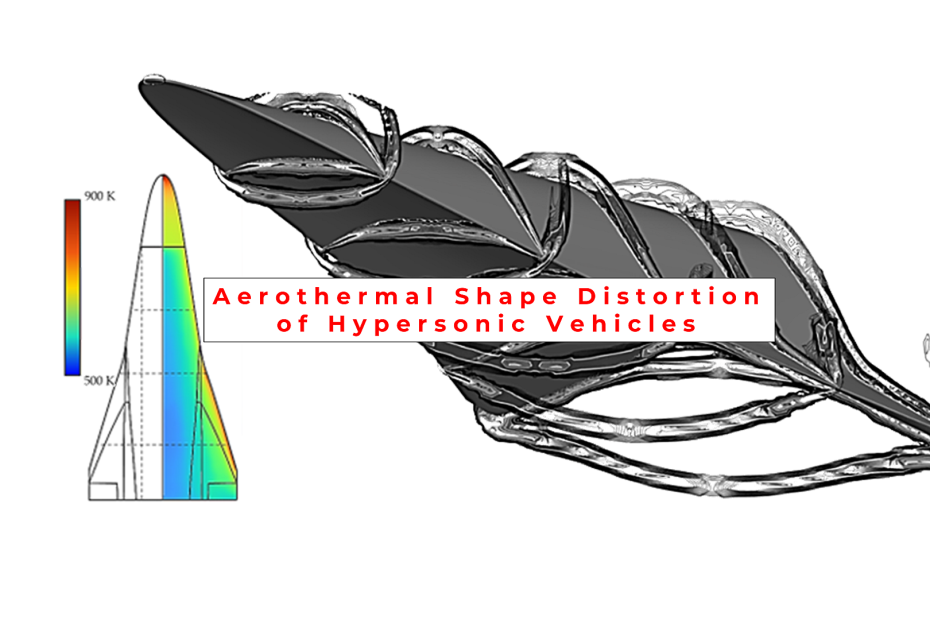
How can designers of hypersonic aircraft overcome the ‘heat barrier’ using simulation to better understand aerothermal shape distortion (aka aerothermoelasticity, or fluid-structural-thermal interaction – FTSI)?… Read More »Simulating Aerothermal Shape Distortion of Hypersonic Vehicles

Designers of autonomous vehicles, drones & robots face key safety and reliability challenges when integrating machine vision & complex sensors. Engineering simulation tools can form… Read More »Fast-tracking the development of autonomous vehicles, drones and robots via engineering simulation
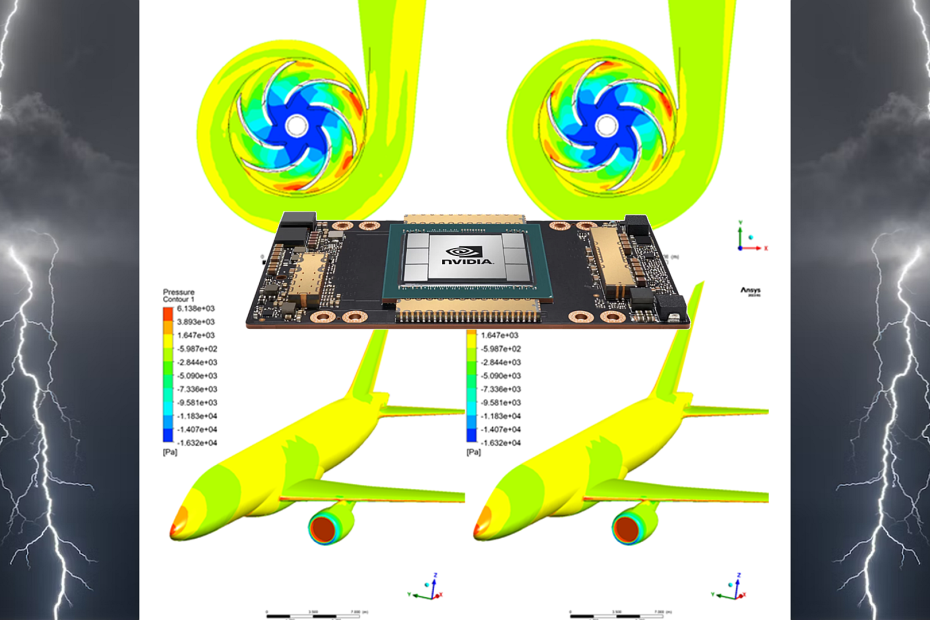
Here we benchmark Fluent’s new fully-native GPU (Graphics Processing Unit) solver, available since the 2023R1 release, which has delivered impressive numbers on our tests that… Read More »A look into the lightning-fast future of GPU-powered CFD
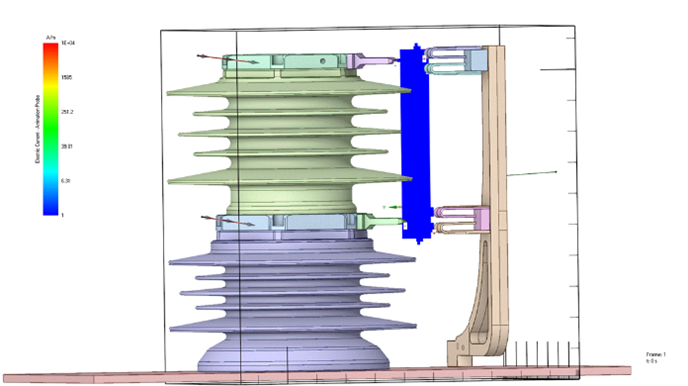
How to use simulation to ensure switchgear functions to standards such as IEC 61439, incorporating effects such as: short circuit withstand strength, degree of protection… Read More »Switchgear Pre-Compliance Simulations
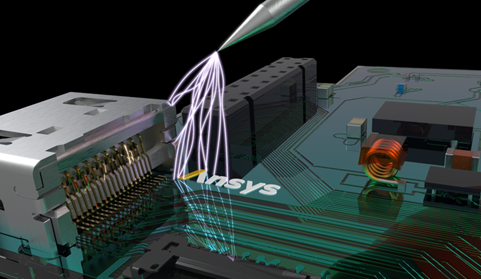
This blog offers a detailed overview of the workflow to conduct virtual testing of Electrostatic Discharge using Ansys EMA3D – as early as possible in… Read More »Preventing Electronics Failure due to Electrostatic Discharge (ESD)
The internet is abuzz with excitement about ChatGPT, the new AI chatbot that allows you to interact with one of the world’s largest and most… Read More »How will AI impact the role of engineers in 2023 and beyond? We asked OpenAI’s ChatGPT!

The engineering behind the scenes of Horonuku – the successful attempt by ETNZ to break the wind-powered land speed record, drawing upon experience from engineers… Read More »Behind the scenes of how Emirates Team New Zealand sailed to new wind-powered land speed record
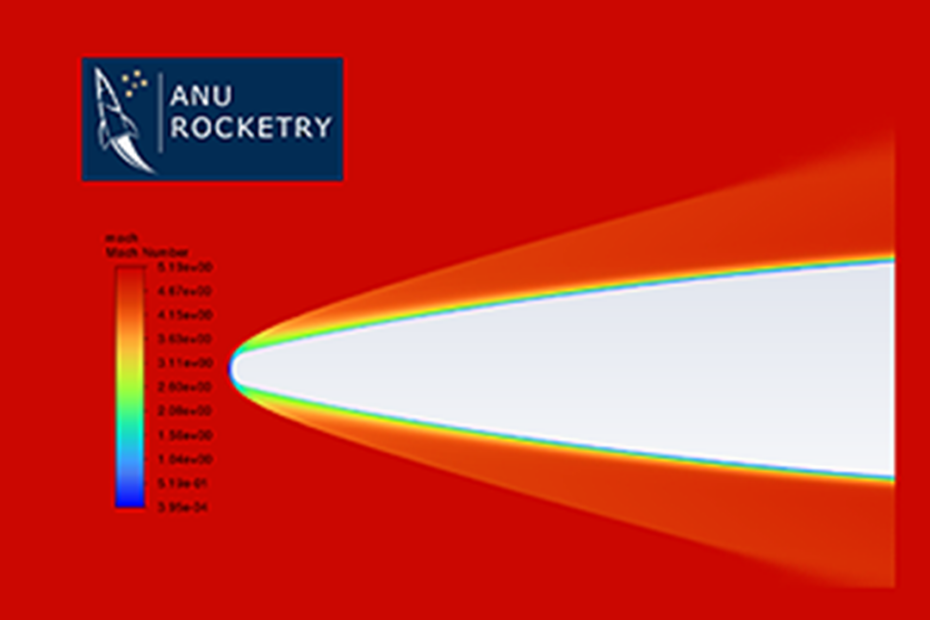
Founded in 2018 to participate in the Australian Universities Rocket Competition (AURC), students from the Australian National University’s (ANU) Rocketry team are striving to develop… Read More »Guest Blog by ANU Rocketry: Democratisation of Space starts with university student teams