Skip to content

design optimisation

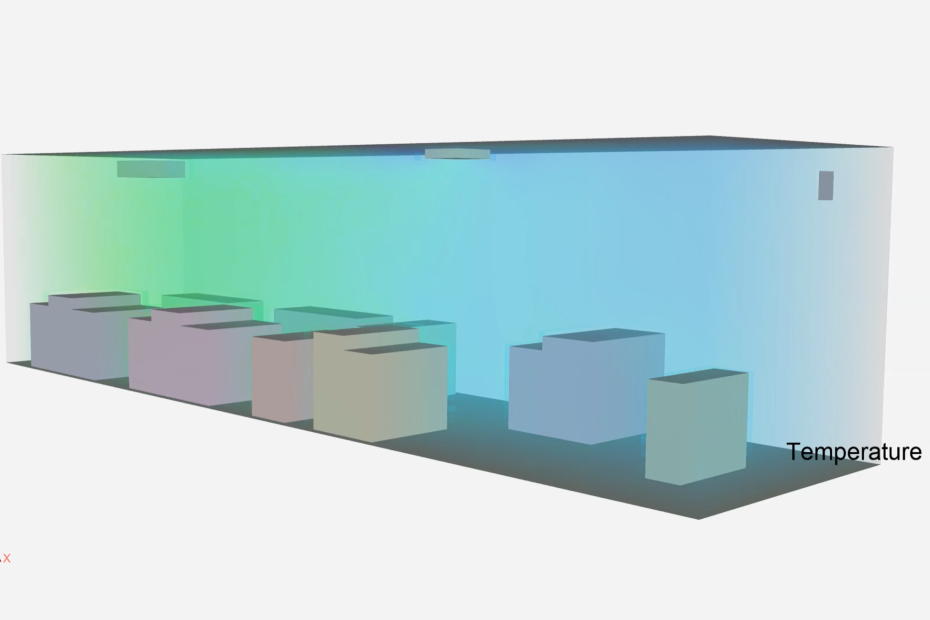
Improved Fluent user experience & expressions for HVAC applications

    We look at recent improvements in Fluent’s GUI and expressions which help streamline workflows for HVAC applications, such as those involving flow balancing, temperature monitoring and control. We apply this to an example involving two types of air handling unit for cooling a room containing heat-generating equipment.

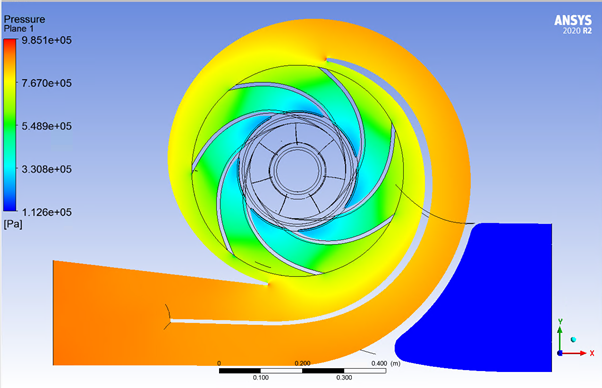
    How to Improve Pump Efficiency through CFD Simulations

    In order to improve pump efficiency, pump designers require fine-grain insights into complex fluid dynamics within a pump to help them identify areas that can be refined to reduce losses during pump operation. In this example, we look at the workflow to improve an existing pump’s design without requiring the original CAD drawings – instead using scanned data of an existing pump design.

    A working example of a Simulation-enabled Digital Twin

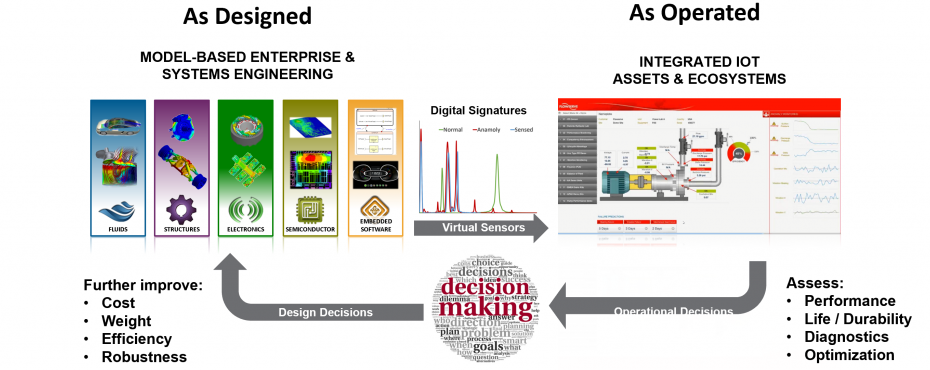
    Is your company developing a Digital Twin strategy? LEAP’s engineers have created working examples of a Simulation-based Digital Twin in action – a real-time, virtual replica of your equipment constantly updated through IoT data that provides you with:
    – insight into real-time performance using extra Virtual Sensor outputs
    – data to assess machine health & identify possible failure conditions
    – actionable data to enable predictive maintenance & avoid costly downtime.

    Predicting Liner Wear in a SAG Mill using Rocky DEM coupled with ANSYS CFD

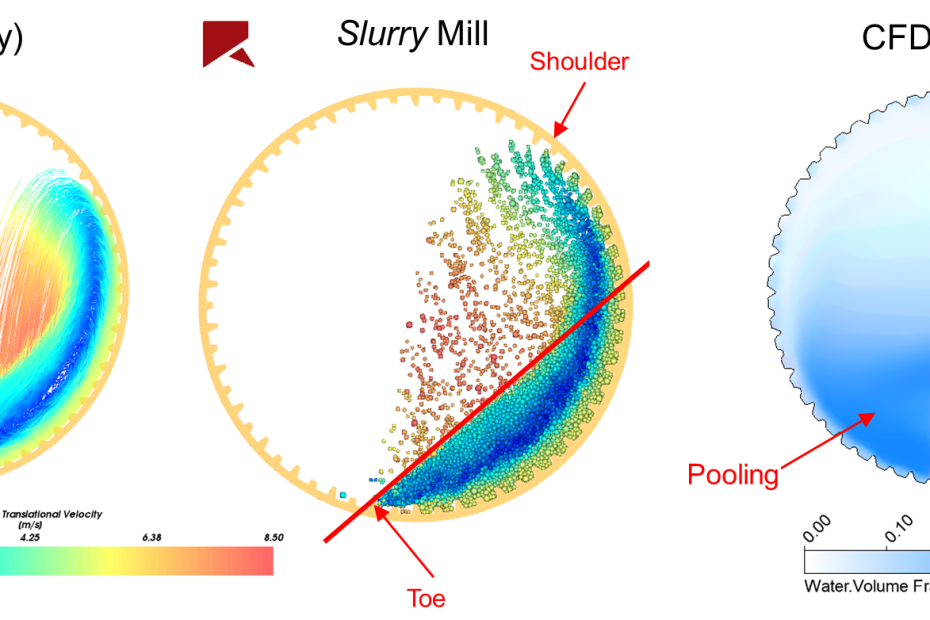
      LEAP will be in Melbourne at the 2nd Int’l Symposium on Computational Particle Technology to showcase exciting new modelling work that has been completed recently using Rocky DEM and ANSYS CFD to predict liner wear in a semi-autonomous grinding (SAG) mill, using ANSYS CFD to model the effects of slurry flow within the mill on liner wear and particle breakage.

      Engineers need an integrated Simulation toolset to develop and optimise safe autonomous systems

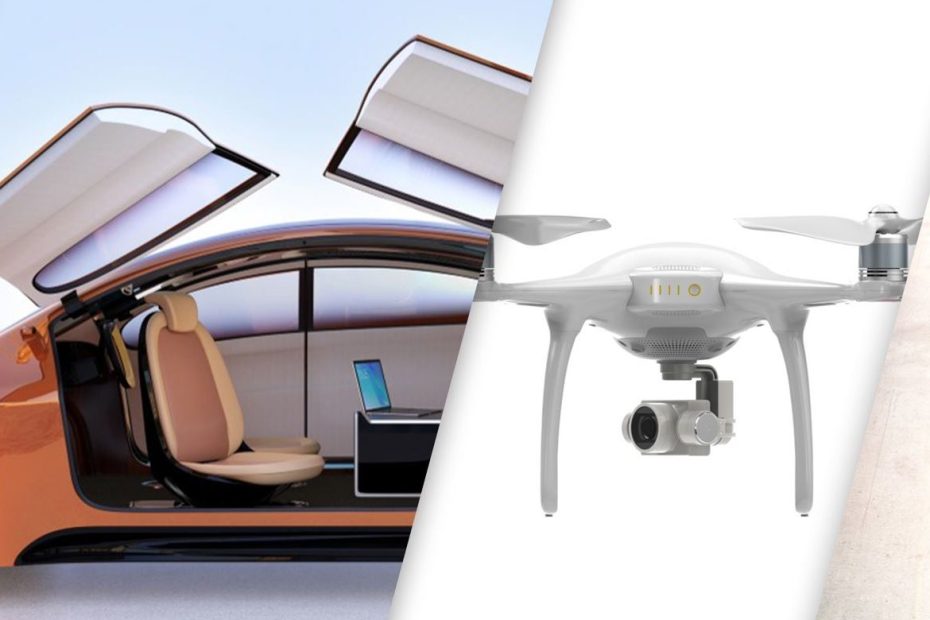
        Learn how ANSYS’ integrated toolset can overcome the complex technical challenges in the development of fully autonomous systems: helping to deliver safe and reliable systems that operate efficiently in complex, changing environments. As engineers, we intuitively understand that comprehensive simulation is the only way to thoroughly consider all real-world scenarios for these systems in a fast and cost-effective way.