Skip to content

design optimisation

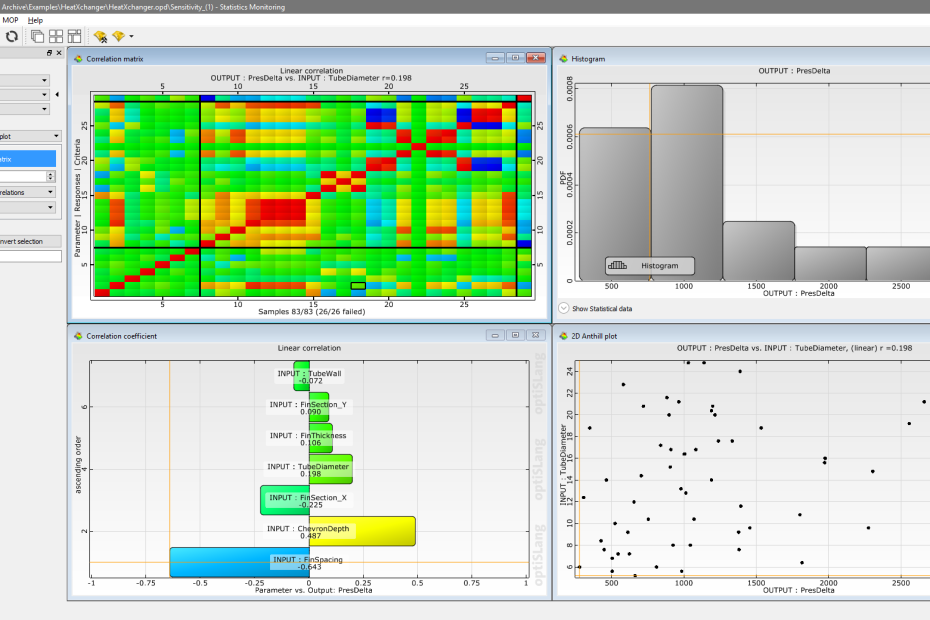
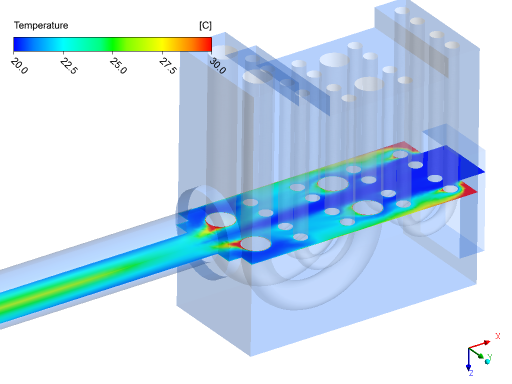
ANSYS optiSLang Postprocessing the sensitivity study during an ongoing run

Next-Generation Robust Design Optimisation with ANSYS optiSLang

    When dealing with a significant number of variables in our simulations, design engineers often find it challenging to work out which variables are the most important, and how to best tune these variables to improve performance. Learn how ANSYS optiSLang now offers a compelling proposition for answering these questions while giving engineers even more tools for exploring the possible performance envelope within key design parameters.

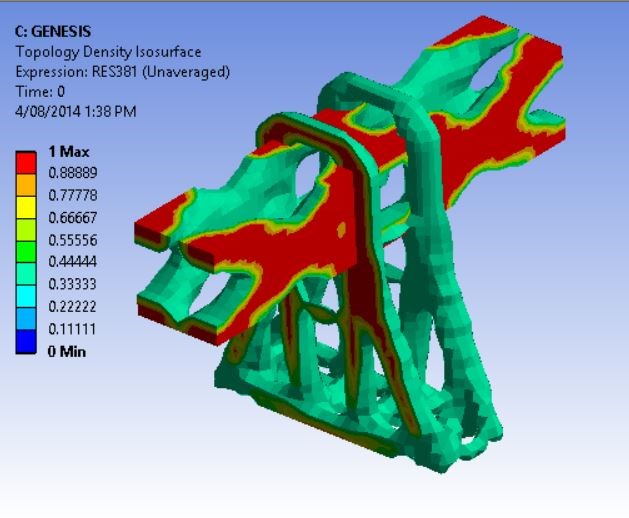
    Shape Optimisation without constraints – How to use the Adjoint Solver Part 1

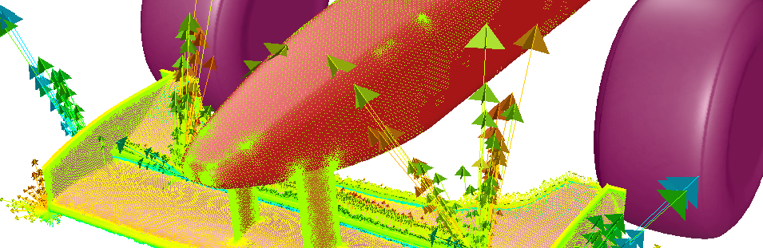
    Engineers are continually under pressure to improve the performance of their products and often look to gain an edge using optimisation techniques – trying to reduce drag, increase lift (or downforce), or reduce pressure drop. Rather than relying on intuition to make geometry changes that are often constrained (using a parametric CAD approach), you can now use the new Adjoint solver to compute localised sensitivity data (related to your objectives) and optimize your design semi-automatically.

    Swapping Fuel for More Beer on your next Caravan Holiday

    Caravan owners are well aware that the speed they drive at and the shape of their caravan can greatly affect fuel consumption.
    In partnership with Caravan World magazine, we’ve taken a closer look into the performance of caravans with the aid of CFD, including some less obvious factors that can help shave off the drag on your caravan and improve fuel consumption.

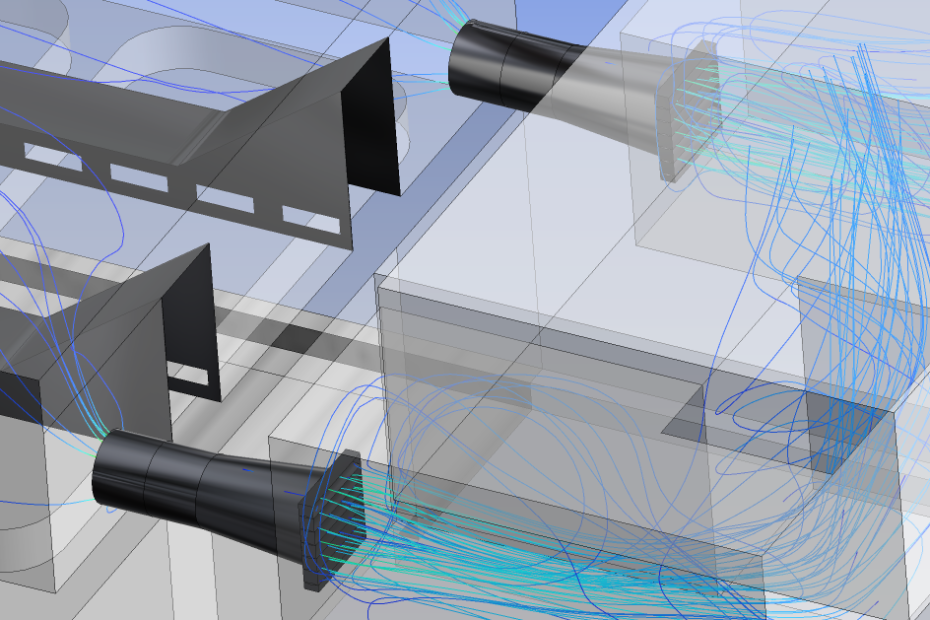
    An Increasing Appetite for Innovation in the Food Industry

      Companies in the food & beverage industries looking to grow their business are implementing new technologies, such as simulation, to enable their engineers to develop new products and implement process innovations necessary to provide efficiencies of scale. Here are 7 ways that food & beverage manufacturers can harness cutting-edge simulation technology.

      Using CFD to enhance your mixing process and drive down costs

      Mixing processes are critical to a wide range of industrial applications across the the paint, food, pharmaceutical, minerals and water treatment industries. CFD is becoming fundamental to the successful operation of mixing processes including clarification, cell culture growth, fermentation, polymerization and blending.